Northwest guides · AK
Alaska Buyer's GuideMat‑Su Commutes, Fairbanks Cold Snaps and Juneau Without a Highway
Alaska asks more of a vehicle than any other state in the Northwest, and the answer changes by town. Wasilla and Palmer commuters need winter reliability on the Glenn Highway, Fairbanks needs real cold-weather prep, and Juneau has no road to anywhere else. This guide looks at each, with the new Ram, Jeep and Dodge models that fit.
Our picks for Alaska
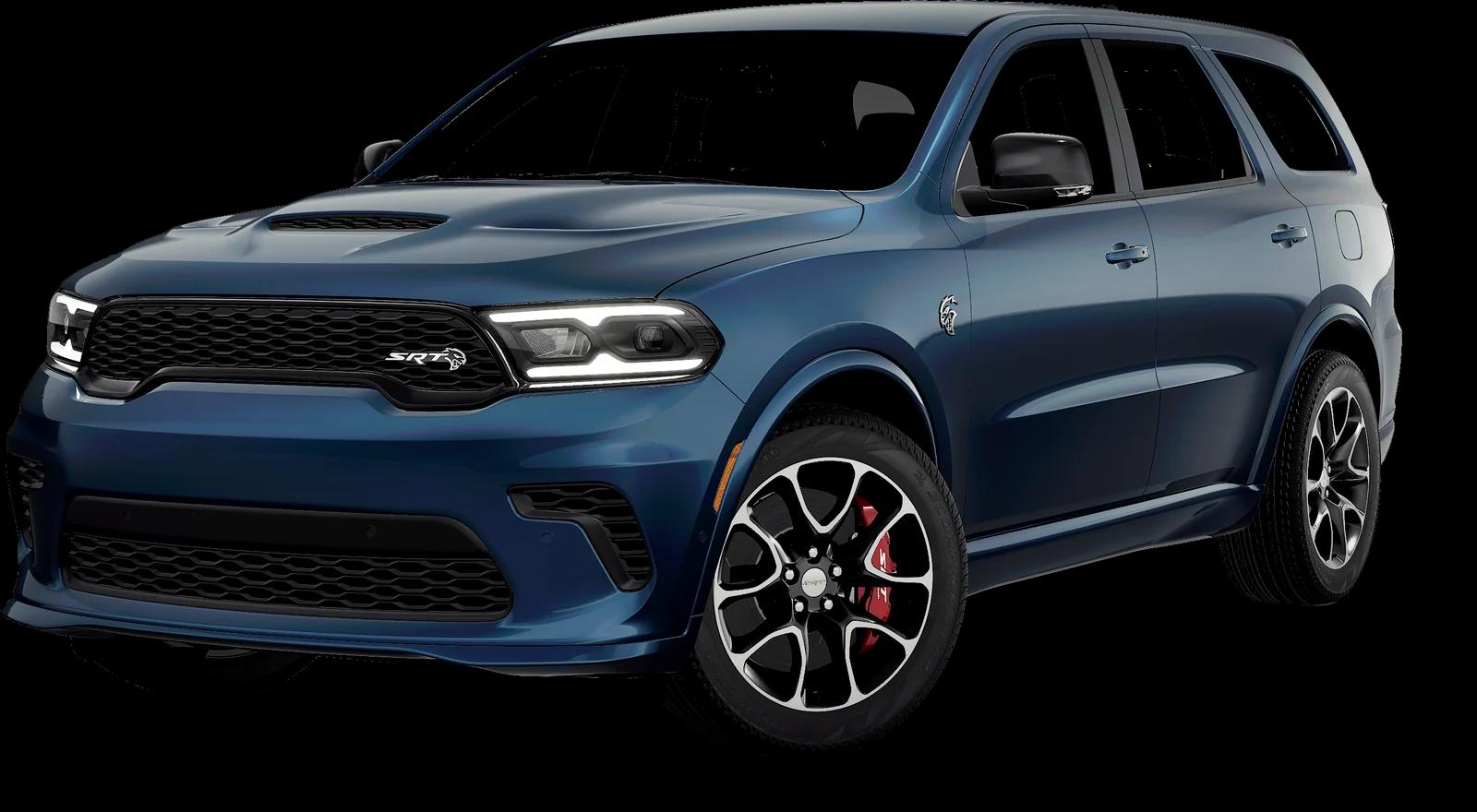
Mat‑Su Valley to Anchorage, the daily Glenn Highway run
Thousands of people live in Wasilla, Palmer and Big Lake and drive to work in Anchorage, sometimes an hour each way on the Glenn Highway. Winter brings darkness, ice, moose and sudden whiteouts, and the commute can double in time after a crash. People here value reliability and a vehicle that starts every morning.
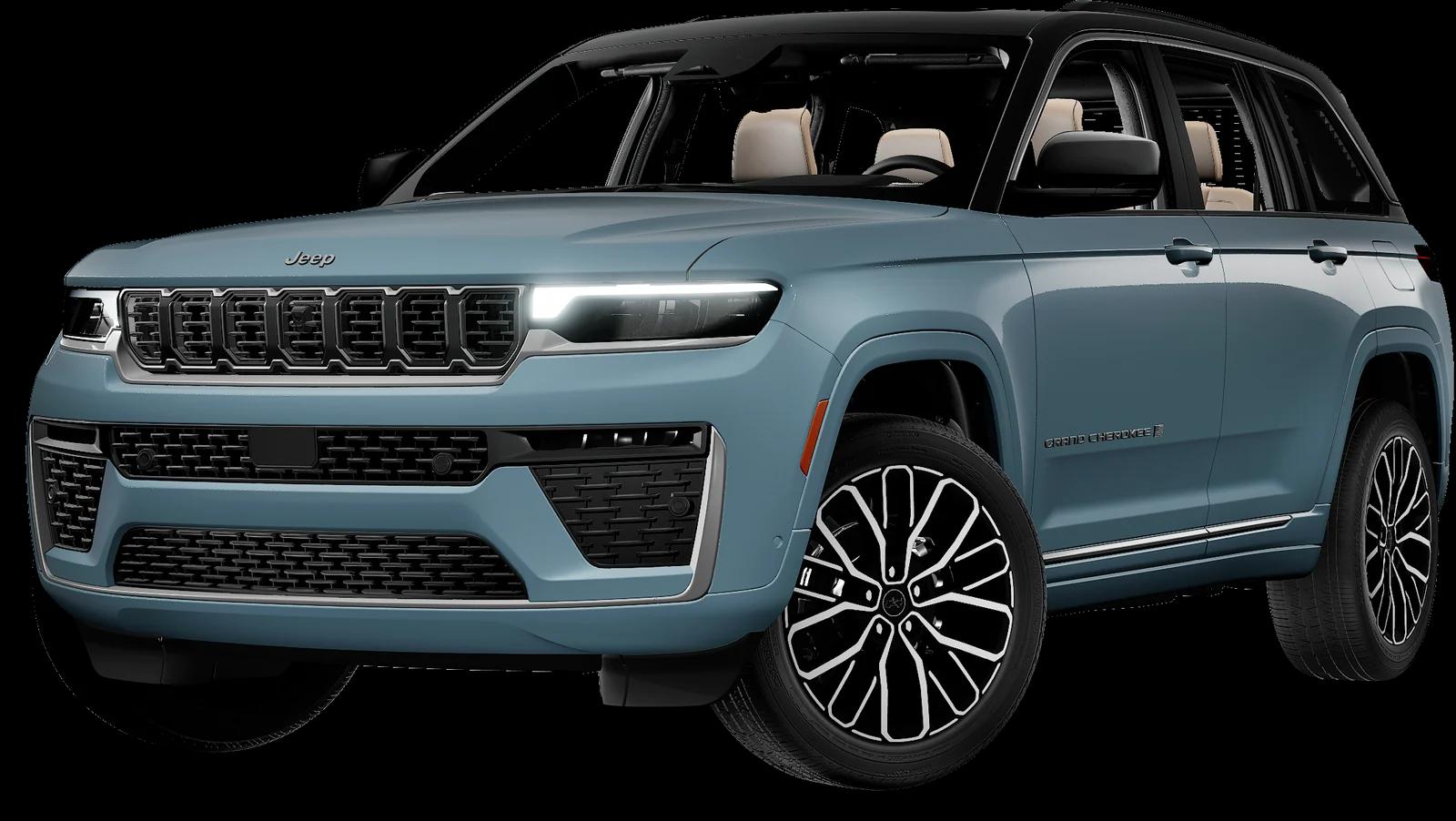
A crossover or SUV with standard all-wheel or four-wheel drive is the common answer. The Compass has Jeep Active Drive 4x4 standard with a 200‑hp turbo. The Grand Cherokee offers 4x4, and the Durango has AWD standard with a rated tow capacity of up to 8,700 pounds with the Tow 'n Go package, handy for snowmachines and four-wheelers on weekends. For efficiency, the Cherokee hybrid lists 4x4 and Jeep's estimate of over 500 miles per tank.
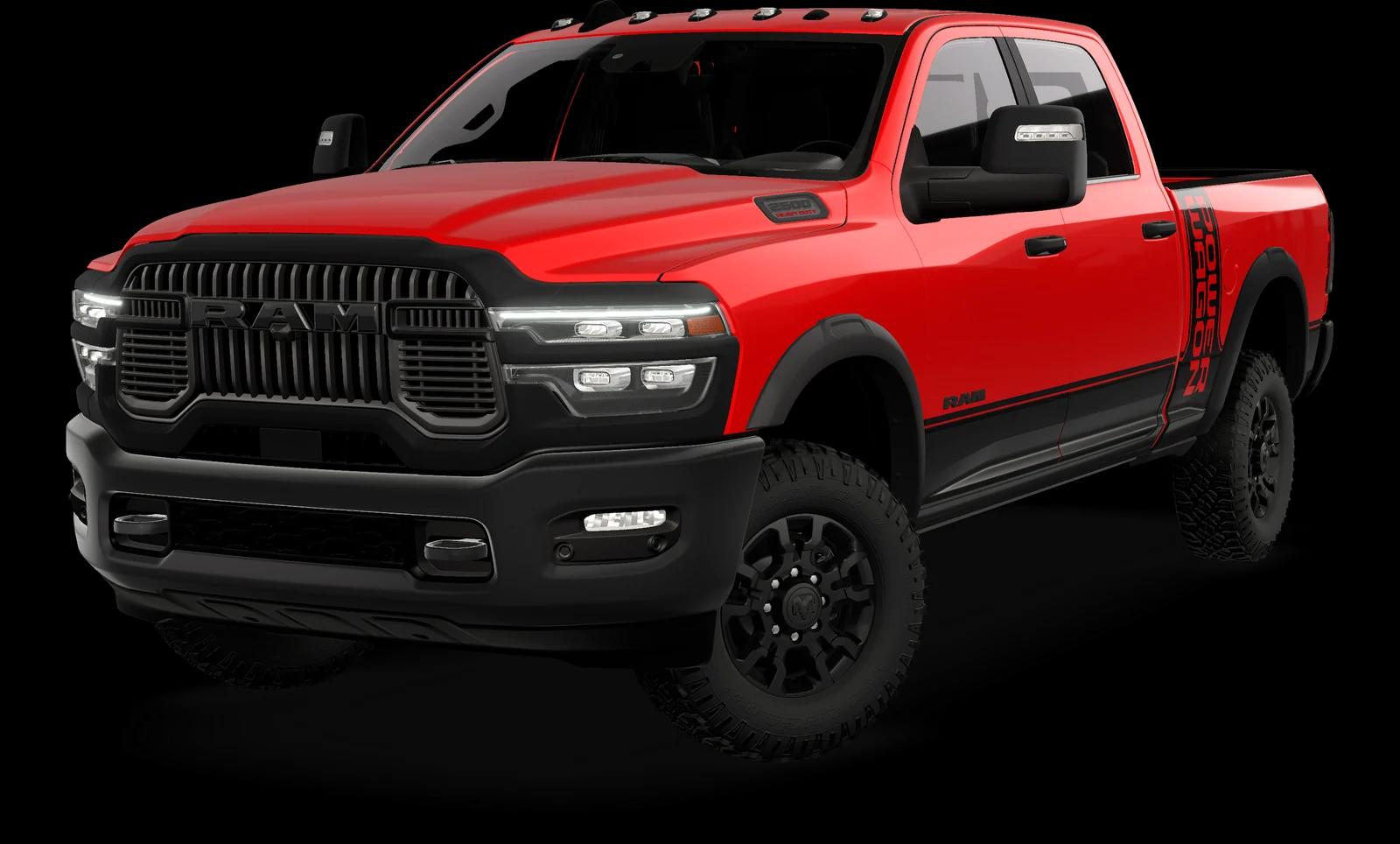
Mat‑Su is also truck country. The Ram 1500 is the daily driver for many families, with a 5 ft 7 in or 6 ft 4 in bed for gear and snow equipment. For hauling a cabin load or a camper, the Ram 2500 lists up to 20,000 pounds of towing.
Studded tires are common in Alaska, and rules about when they are allowed are set by the state, so check the Alaska Department of Transportation and Public Facilities and the DMV for current guidance.
Fairbanks and the Interior's deep cold
Fairbanks sees stretches of the winter when daytime highs stay far below zero. Engines, batteries, fluids and rubber all behave differently at those temperatures, and most vehicles are plugged in overnight. Block heaters, battery warmers and oil pan heaters are ordinary parts of life, and the community knows the sound of a cold diesel.
A Ram with the 6.7L Cummins diesel is a familiar sight in the Interior, though the diesel needs the right cold-weather prep. The Ram 2500 lists 1,075 lb‑ft of torque and up to 20,000 pounds of towing. Gasoline engines such as the 5.7L HEMI V8 and 6.4L HEMI V8 are simpler to start and cheaper to buy. Cold-weather equipment varies by model and trim, so compare the standard and optional equipment lists for the exact build you want.
EVs are possible in town with a heated garage, but cold shortens range sharply and the Interior has few fast chargers. The Cherokee hybrid is a lower-risk way to cut fuel use. Whatever you choose, keep a winter survival kit with a sleeping bag, food and water in the vehicle at all times.
The Dalton Highway north of Fairbanks and the road to Denali can both be affected by weather, so check the state transportation and National Park Service pages first.
Juneau, an island city with no road out
Juneau is the state capital and cannot be reached by road. Cars arrive on the Alaska Marine Highway ferry or by barge, and many households keep only one vehicle because the road system is short and ends well short of the next town. Rain, wet snow and steep hills define the driving, and the city has plenty of places to stop for a coffee but no highway to leave on.
Because fares on the Alaska Marine Highway depend on vehicle length, check the current tariff before you decide on size. A compact vehicle like the Compass or Cherokee is easier to ship and park, and a smaller footprint is easier on narrow downtown streets. The Compass lists up to 59.8 cubic feet of cargo space, and the Cherokee up to 62.2.
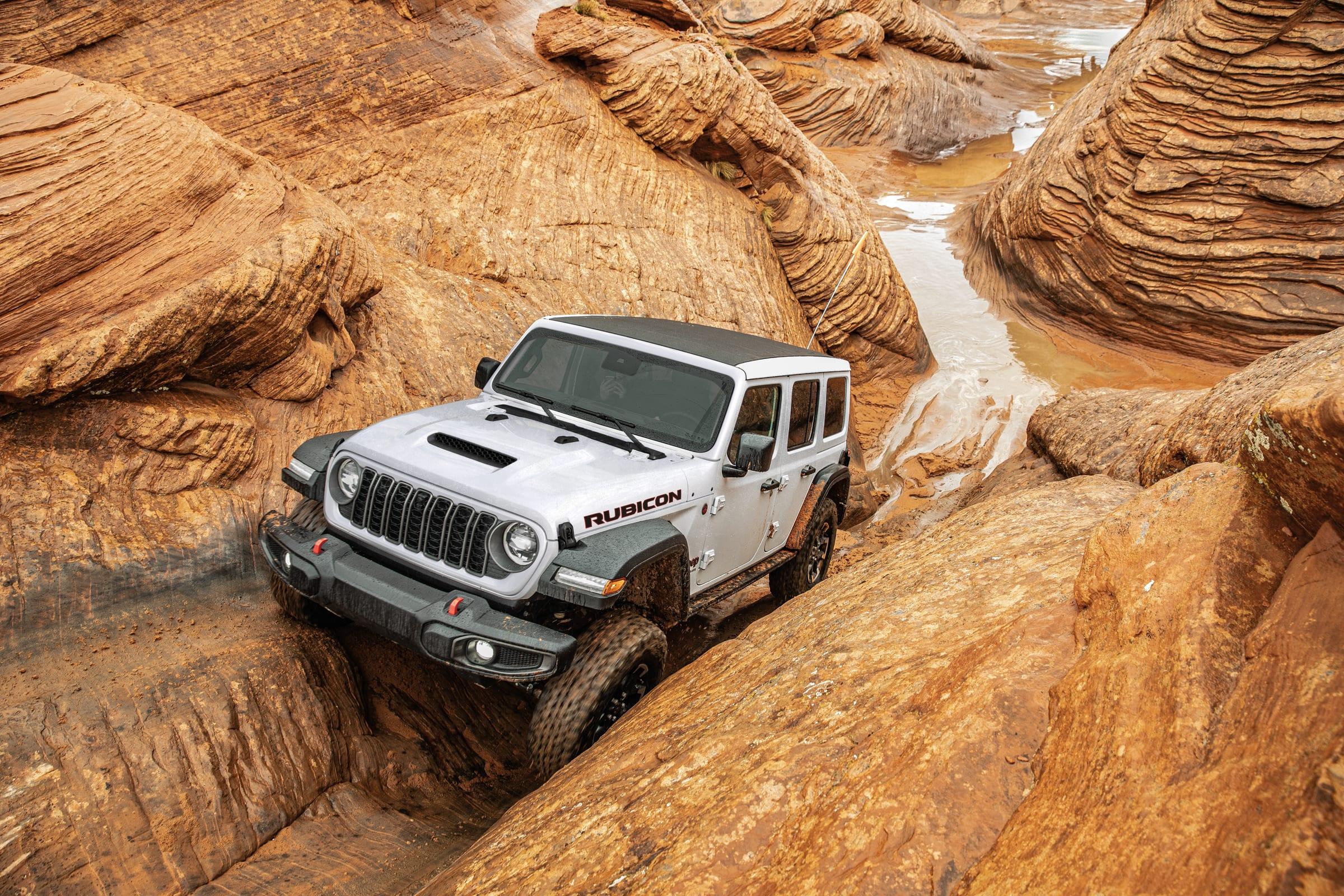
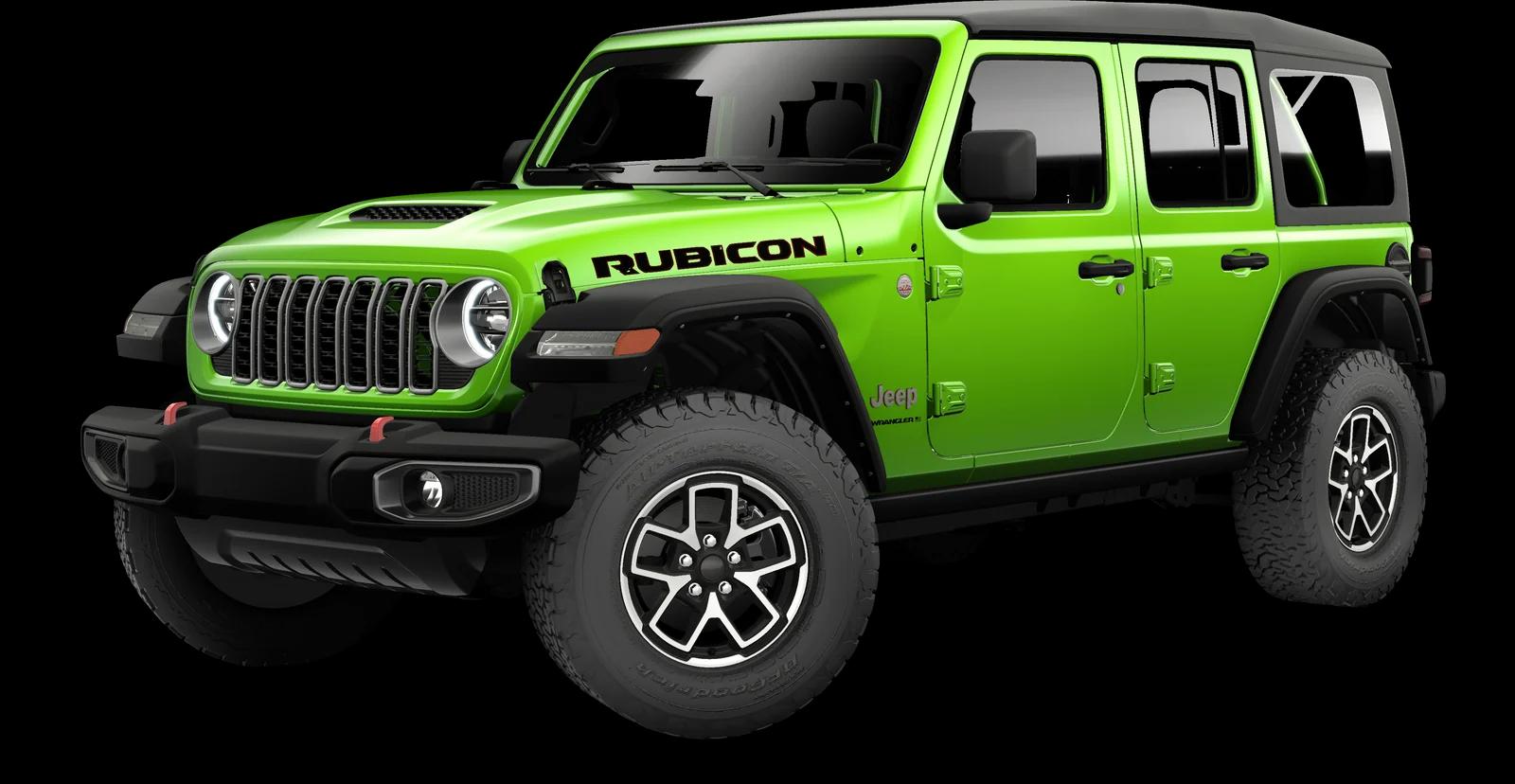
For trips to Eaglecrest, Mendenhall or boat launches, a vehicle with 4x4 is useful. The Wrangler and Gladiator are 4x4 on every trim, and each lists up to 12.9 inches of ground clearance. Many Juneau residents also own a boat, so towing capacity matters: the Gladiator lists up to 7,700 pounds.
If you plan to ship a vehicle in or out, ask the Alaska Marine Highway for current reservation and size information well before you travel.
Gravel highways, long gaps and equipment that matters
The Dalton, McCarthy Road and Denali Highway are among the best-known gravel routes in North America. They have few services, long distances and rocks that kick up into windshields and lights. Even many paved highways have frost heaves and soft shoulders, and the next fuel stop can be over a hundred miles away.
For that kind of travel, durability matters more than speed. The Wrangler Rubicon and Gladiator are favored for their ground clearance, and the Ram 2500 lists up to 14.2 inches. Carry two full-size spares if your route requires them, plus a compressor, a tire plug kit and a way to call for help.
Simple range math helps. A rough estimate: a 19‑gallon tank multiplied by a 28 mpg highway figure, like the Voyager's, is about 530 miles, but towing, cold and gravel will reduce that. Plan for fuel stops with a large margin.
Shipping and buying are other considerations. Vehicles often come up via Washington ports or the Alaska Highway, and local dealer inventory can be thin. Ask early about delivery timing, and check the Alaska DMV about registration. For gravel road conditions, check the Alaska Department of Transportation and Public Facilities and relevant park authorities.
Alaska buyer FAQ
What should a Mat-Su commuter drive?
An all-wheel or four-wheel drive vehicle is the sensible baseline. The Compass, Durango and Grand Cherokee all fit that description, and the Cherokee hybrid adds a long range per tank. For gear, snowmachines or a trailer, the Ram 1500 offers a bed and strong towing ratings. Moose crossings after dark are a bigger commuting risk than most buyers expect, so slow down and keep high beams ready.
Is an EV workable in Fairbanks or Anchorage?
Anchorage is manageable with home charging, but Fairbanks and the Interior are harder. Extreme cold cuts range, and fast chargers are scarce. The Recon lists up to 222 miles and the Wagoneer S up to 294 miles in mild conditions, so plan for far less when temperatures plunge. Charging infrastructure is expanding, but check current coverage for the route you plan to drive.
How does a Juneau resident bring a vehicle in?
By ferry or barge. The Alaska Marine Highway sets fares by vehicle length and publishes schedules and reservation details, so choose a size you are comfortable shipping and look at the tariff before you commit. Smaller crossovers are easier to manage in a town with narrow streets. Smaller vehicles are also easier to park on Juneau's steep, narrow streets.
What features matter most for Alaska winters?
Four-wheel or all-wheel drive, good tires and a reliable starting system come first. Ask about factory cold-weather packages on the specific trim you want, and plan to add a block heater or battery warmer where needed. A winter survival kit and an emergency beacon are worth carrying on remote roads.
More Northwest guides
- WashingtonPuget Sound Ferry Lines, I‑5 Drizzle and the Dry East Side
- OregonWillamette Farm Roads, Central Oregon Snow and Fire‑Season Smoke
- IdahoCoeur d'Alene Boat Ramps, Potato Country and the Sawtooth Backroads
- MontanaBillings Oil Patch, Hi‑Line Wind and Bozeman Ski Traffic
- WyomingPowder River Work Trucks, Casper Crews and Jackson Winters