Northwest guides · WA
Washington Vehicle GuidePuget Sound Ferry Lines, I‑5 Drizzle and the Dry East Side
Washington is really two states: a wet, crowded west side and a dry, wide-open east side, and the right new vehicle depends on which one you live in. This guide covers ferry-line planning around Puget Sound, the I‑5 commute from Tacoma to Bellingham, the Olympic Peninsula, and the wheat roads around Spokane and the Tri‑Cities, with models matched to real ratings.
Our picks for Washington
Ferry lines and the length of your rig
Anyone living on Whidbey, Vashon, Bainbridge or the San Juans learns quickly that a vehicle's length matters as much as its price tag. Washington State Ferries sorts vehicles into length and height brackets, so a crew-cab pickup with a trailer behind it lands in a very different category than a compact crossover. Check the Washington State Ferries fare and size pages before you commit to a body style, because the brackets are what change your monthly cost of living on an island.
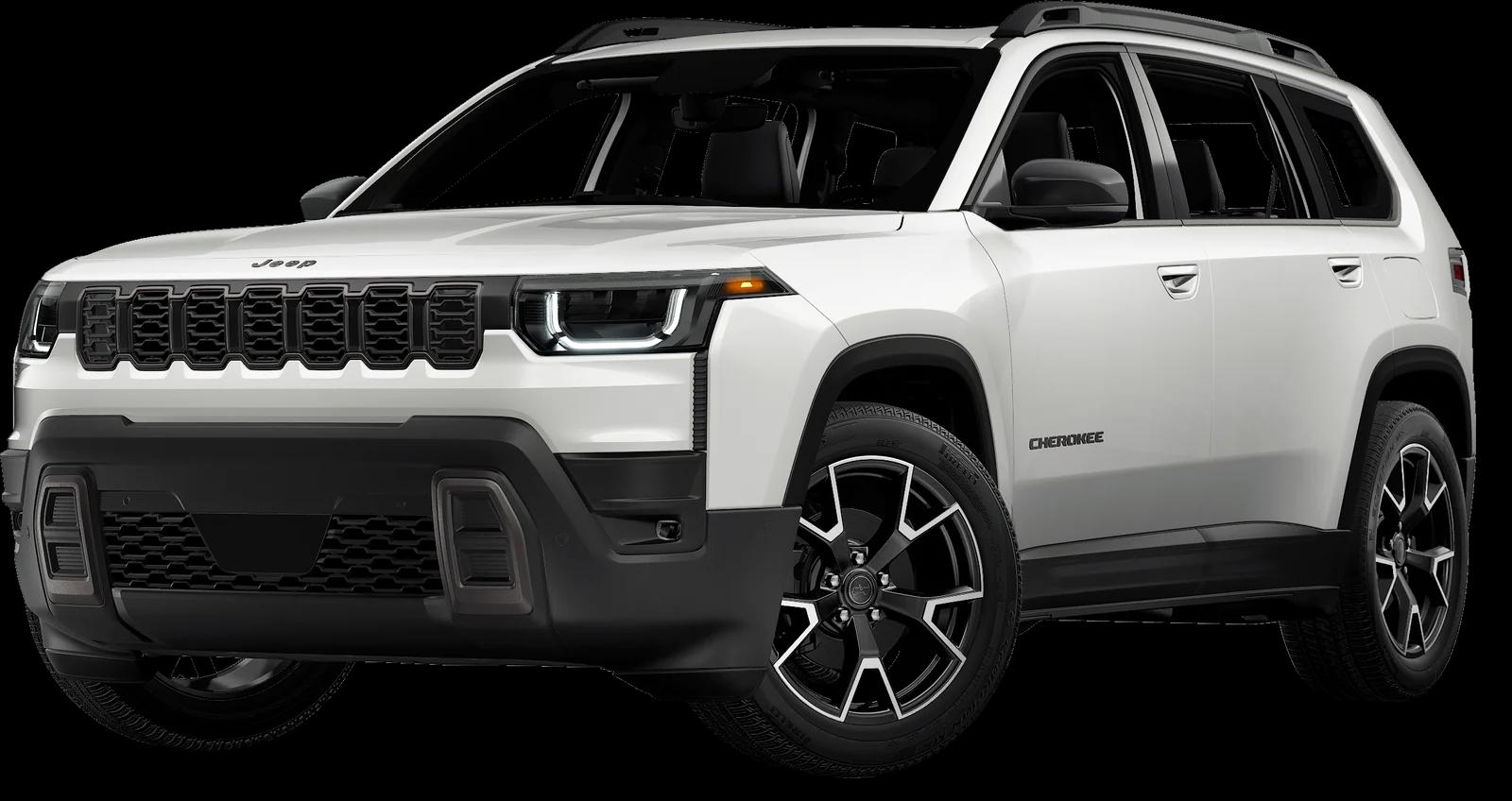
For island households the shorter end of the lineup makes sense. The Jeep Compass starts around $29,990 before destination and comes with a standard 200‑hp turbo four and Jeep Active Drive 4x4, which is plenty for wet ferry-terminal ramps and gravel driveways. The Cherokee hybrid is the other easy fit: Jeep estimates over 500 miles per tank, so a Kitsap or Skagit commuter can go a long time between fill-ups.
If you need three rows, the Pacifica seats seven to eight and lists up to 140.5 cubic feet of cargo space. It is longer than a crossover, so price that out on the ferry before you sign. Leave the full-size trucks for buyers who truly need them and who have run the fare math, and remember that manufacturer prices change.
The I‑5 corridor in persistent drizzle
From Bellingham down through Everett, Seattle and Tacoma, I‑5 is a stop-and-go slog for much of the year, and it rains on top of it. Most people drive a modest mileage per day but spend a lot of hours in the seat, so comfort, visibility and wiper performance count for more than horsepower.
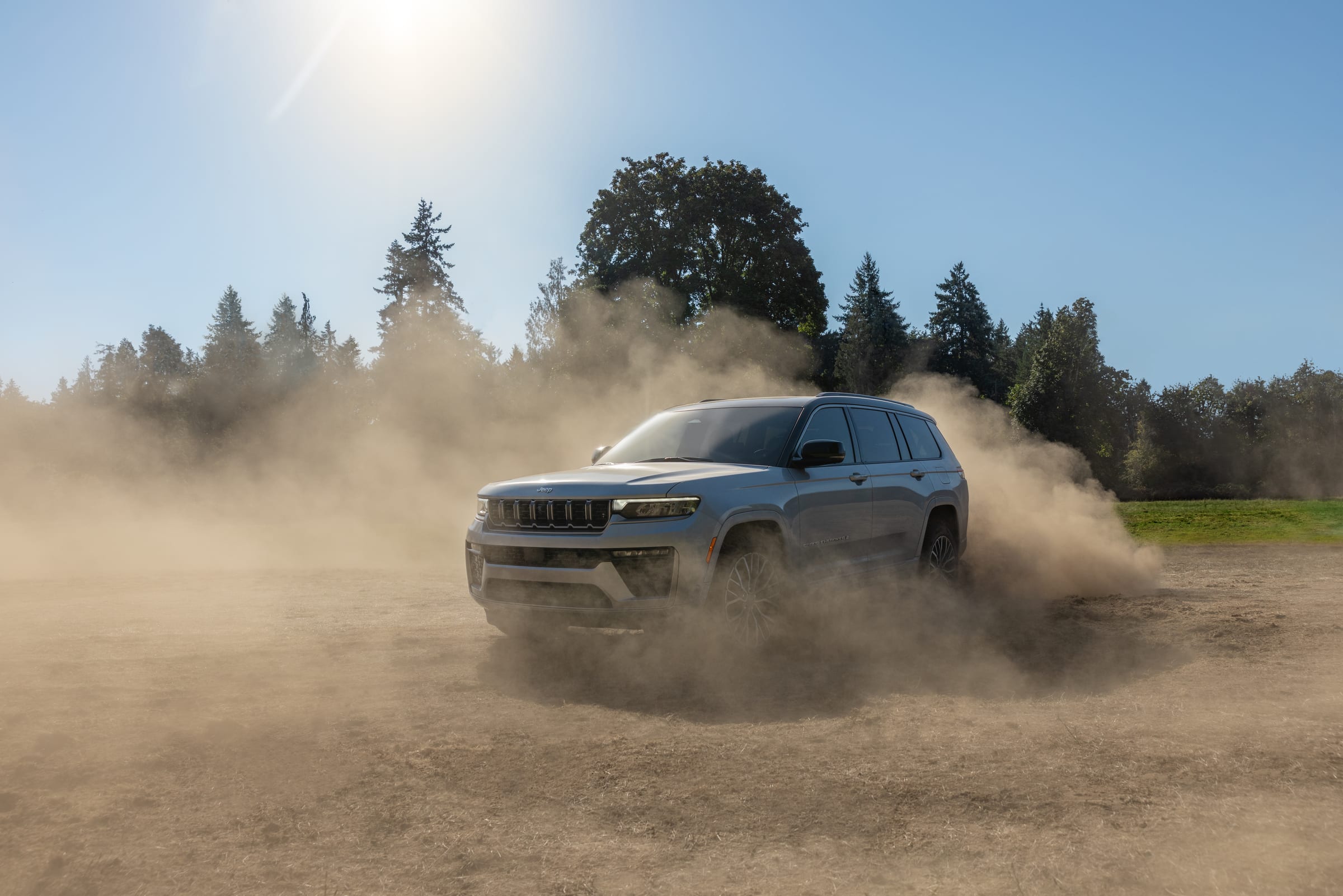
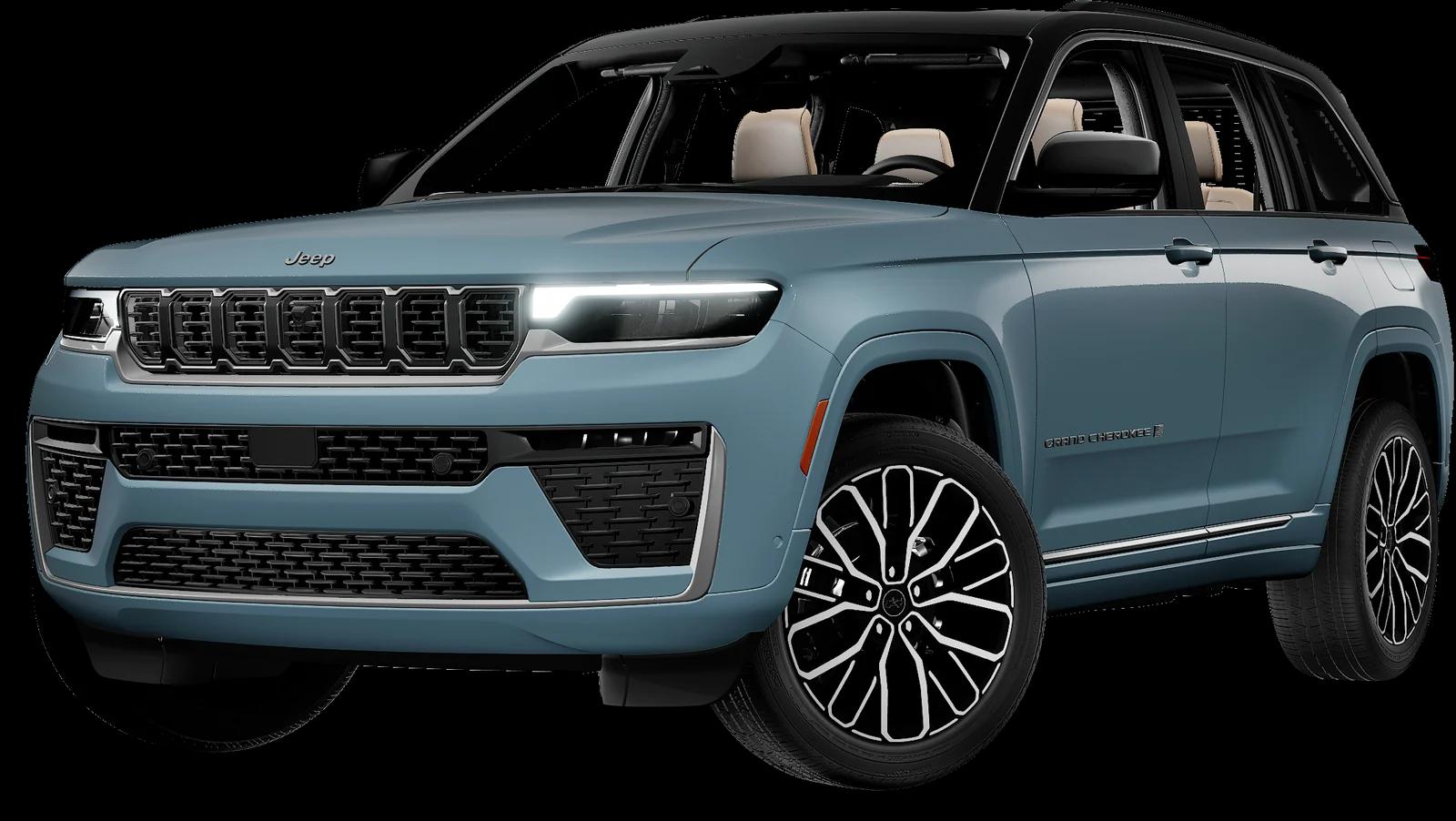
The Jeep Cherokee hybrid is a sensible match. It makes 210 hp combined, uses a power-split hybrid system with no plug, and Jeep quotes up to 37 mpg combined. In crawling traffic a hybrid spends a lot of time on the battery, which is where the savings come from. The Grand Cherokee is the step up if you want a quieter, bigger cabin: the 2.0L Hurricane turbo four makes 324 hp and is rated up to 21 city and 26 highway mpg, with 4x4 standard on Limited Reserve, Summit and Trailhawk.
Electric buyers in Seattle and Tacoma should look at the Wagoneer S, which Jeep rates at up to 294 miles of range, and the Recon at up to 222 miles on the Moab. The Wagoneer S figures here are for model year 2025. Charging at home is the key variable, so apartment dwellers should plan around public chargers first and see how that fits their week.
The Olympic Peninsula and logging-road country
Past the Hood Canal Bridge, the Olympic Peninsula is a different driving problem. Highway 101 loops the peninsula, services thin out west of Forks and around Lake Quinault, and the best trailheads sit at the end of forest roads with potholes, washouts and plenty of fallen branches after a storm. Rain forest moisture gets into everything, so good tires and underbody protection matter more than a lot of badging.
The Jeep Wrangler is the traditional answer. It lists up to 12.9 inches of ground clearance, 4x4 on every trim and a starting price of about $36,635. The 3.6L Pentastar V‑6 is standard on Sport and Rubicon, and the 2.0L turbo is standard on Sahara. The Gladiator adds a 35.5 cubic foot bed, handy for wet gear, kayaks and firewood, with towing up to 7,700 pounds. It comes with one engine, the 285‑hp 3.6L V‑6, and 4x4 on every trim.
If your trips are a day at Ruby Beach or a drive out to the Dungeness Spit, you may not need that much machine. A Grand Cherokee with 4x4 does the same loop with more comfort. Before heading into Olympic National Park, check the National Park Service for road conditions and any vehicle size limits.
East of the Cascades: wheat, wind and Tri‑Cities distances
Spokane, the Palouse, Walla Walla and the Tri‑Cities sit on the dry side, where the main challenges are distance, dust, summer heat and winter cold snaps rather than rain. Grain trucks, farm pickups and irrigation work dominate, and plenty of locals pull a trailer on a weekly basis.
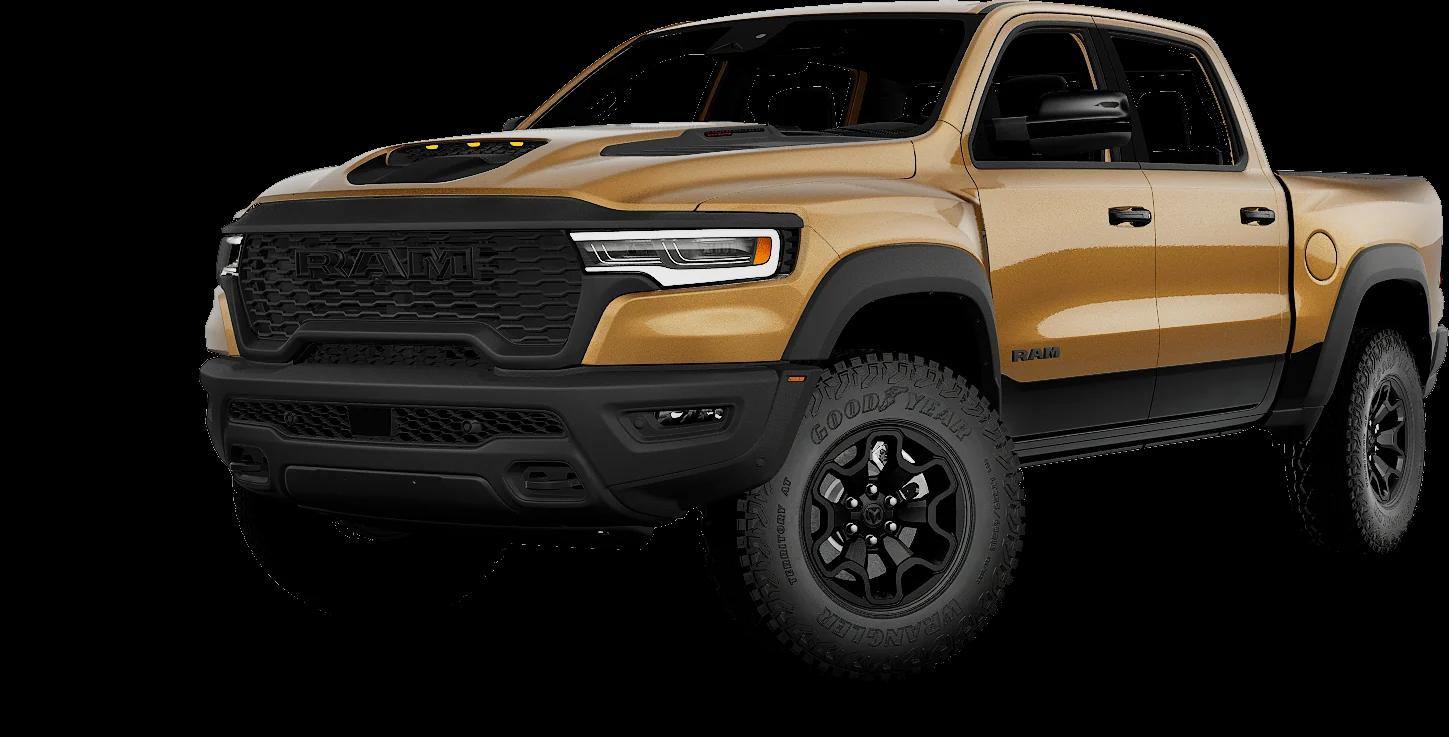
The Ram 1500 is the center of that market. Ram lists towing up to 11,530 pounds and payload up to 2,340 pounds, depending on engine and configuration. The 3.0L Hurricane twin‑turbo six makes 420 hp in standard output, and the 5.7L HEMI V8 eTorque is rated up to 11,370 pounds. For work that needs more than a half-ton, the Ram 2500 lists up to 20,000 pounds of towing with the 6.7L Cummins diesel and up to 14.2 inches of ground clearance.
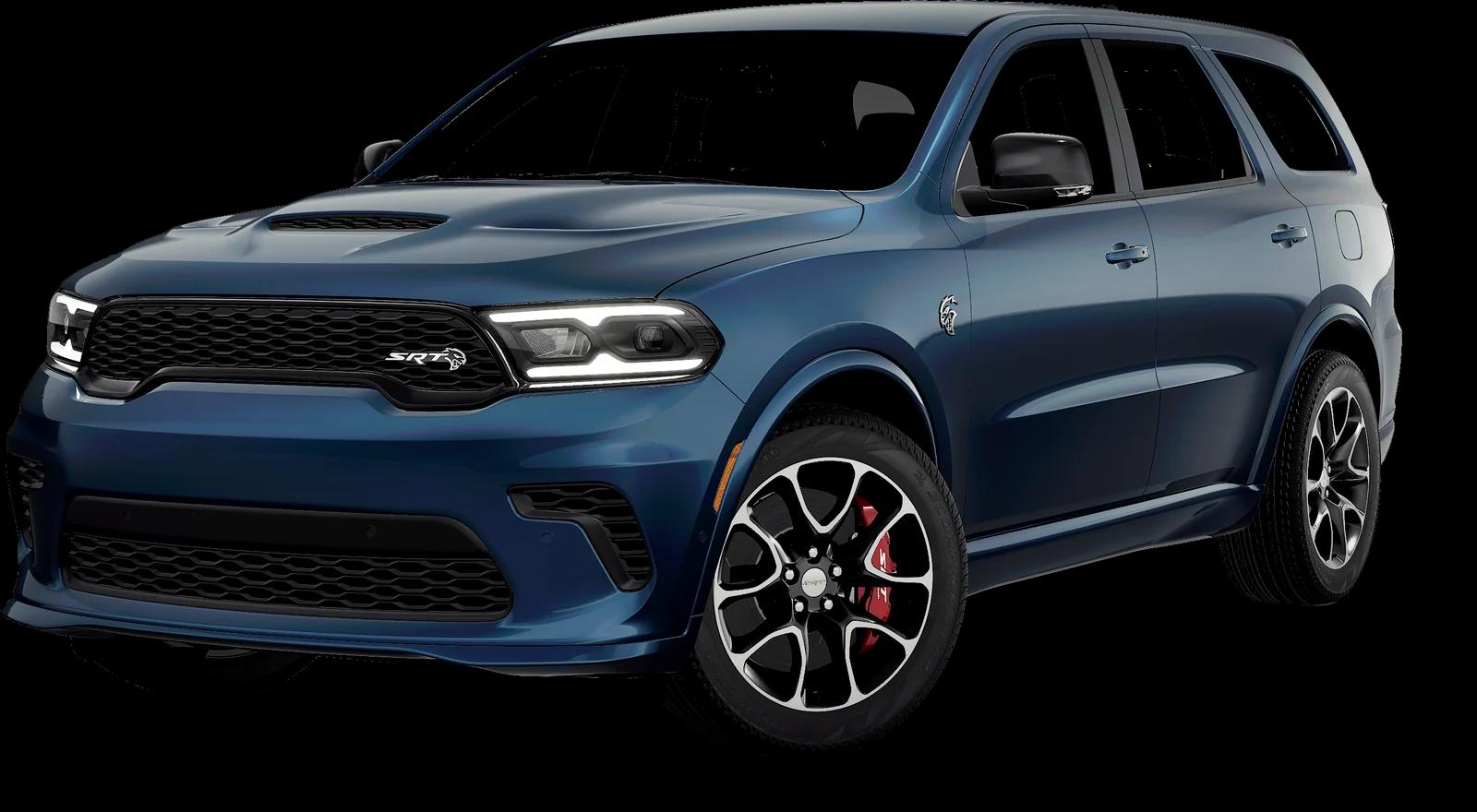
The Durango is a good fit for a Spokane family that tows a boat to Lake Roosevelt: it is rated to pull up to 8,700 pounds with the right equipment, and AWD is standard. For commuters between Pasco, Kennewick and Richland, the Compass or Cherokee is cheaper to run. Summer heat makes the cabin A/C a real thing to judge on a test drive.
Crossing the passes in winter, without a rulebook
Anyone who drives between Seattle and Spokane or Wenatchee in winter crosses a pass, and conditions change fast. Snoqualmie on I‑90, Stevens on US‑2, White Pass on US‑12 and Blewett on US‑97 all see closures and traction restrictions during storms. Do not rely on a vehicle description to tell you what is required on a given day. Check the Washington State Department of Transportation travel alerts and pass reports before you leave, and carry what they tell you to carry.
What a vehicle can do is help you stay in control. Four-wheel drive and all-wheel drive help you start and climb, but they do not shorten braking distance. Tires matter more than the badge on the tailgate. The Grand Cherokee and Durango offer AWD or 4x4, the Wrangler and Gladiator are 4x4 on every trim, and the Compass and Cherokee come with 4x4 as standard.
If the pass trip is a weekend habit, think about ground clearance and cabin comfort rather than ultimate off-road capability. A calm, well-equipped crossover with the right tires is often the best choice, and a stuck Wrangler on summer tires is still stuck.
Washington buyer FAQ
How should I think about ferry costs when choosing a vehicle?
Washington State Ferries prices vehicles by length and height category, so a long crew-cab truck or a rig with a trailer costs more per crossing than a compact crossover. Look up the current categories on the Washington State Ferries website, then compare the lengths of the models you are considering. If you cross weekly, the difference adds up over a year.
Is an electric Jeep realistic around Seattle?
For many households, yes. Jeep rates the Wagoneer S at up to 294 miles of range and the Recon at up to 222 miles on the Moab trim. The deciding factor is where you charge. A garage or assigned parking spot makes it simple, while street parking in a dense neighborhood makes public fast charging the main plan.
What suits the east side better than the west side?
East of the Cascades the work is towing, farm roads and long drives, so the Ram 1500 and Ram 2500 stand out, with the Durango as the family option. West of the mountains the emphasis shifts to traffic, parking and ferries, which favors the Cherokee hybrid, Compass and Grand Cherokee.
Where do I find current pass conditions in winter?
The Washington State Department of Transportation publishes pass reports, cameras and travel alerts for Snoqualmie, Stevens, White Pass and others, and it explains any traction requirements in force. Check it before every winter crossing rather than relying on what you remember from last year, since conditions and requirements change by storm.
More Northwest guides
- OregonWillamette Farm Roads, Central Oregon Snow and Fire‑Season Smoke
- IdahoCoeur d'Alene Boat Ramps, Potato Country and the Sawtooth Backroads
- MontanaBillings Oil Patch, Hi‑Line Wind and Bozeman Ski Traffic
- WyomingPowder River Work Trucks, Casper Crews and Jackson Winters
- AlaskaMat‑Su Commutes, Fairbanks Cold Snaps and Juneau Without a Highway