Explainer
Puget Sound and Alaska Ferry Trips: What Vehicle Length Means for You
Ferries sort vehicles by length and height. Compare Compass, Cherokee, Wrangler, Gladiator, Ram 1500 and ProMaster City dimensions before a Sound or Alaska crossing.
By the Northwest CDJR editorsUpdated November 6, 20265 min read
In the Northwest, a boat ride is often part of the commute, not a vacation. Washington State Ferries links Seattle with Bainbridge and Bremerton, Edmonds with Kingston, and Mukilteo with Whidbey, among other routes. Farther north, the Alaska Marine Highway carries cars, campers and trucks between Southeast Alaska towns where no road connects them.
A ferry deck is a parking lot with a hard edge. Space is counted in feet and inches, and the way a vehicle is measured can change how and when you board. This guide covers the dimensions that matter and how six vehicles compare.
Why length and height count on a ferry
Operators generally sort vehicles into categories by length, and some also by height. Longer and taller vehicles take up more deck, and the deck is limited. This affects three things.
First, where your vehicle is loaded. Crew members direct the loading, and a tall or long vehicle may be placed differently from a compact one. Second, how the ticket is priced. Fare tables are often tiered by overall length, and extra length from a trailer, a bike rack or a cargo carrier can move a vehicle into a longer category. Third, whether you get on the sailing you queued for. On a busy summer sailing, a smaller footprint can be easier to fit.
This article does not list fares, categories or cutoffs, because they change and differ by route. Check Washington State Ferries or the Alaska Marine Highway for the current vehicle size rules, reservation options and fare tables for your route and date.
Six vehicles, measured
Here are the dimensions Jeep and Ram list for the 2027 models. Overall length is the number to match against a ferry category, and height is the one to watch with a roof rack.
| Model | Overall length | Overall height |
|---|---|---|
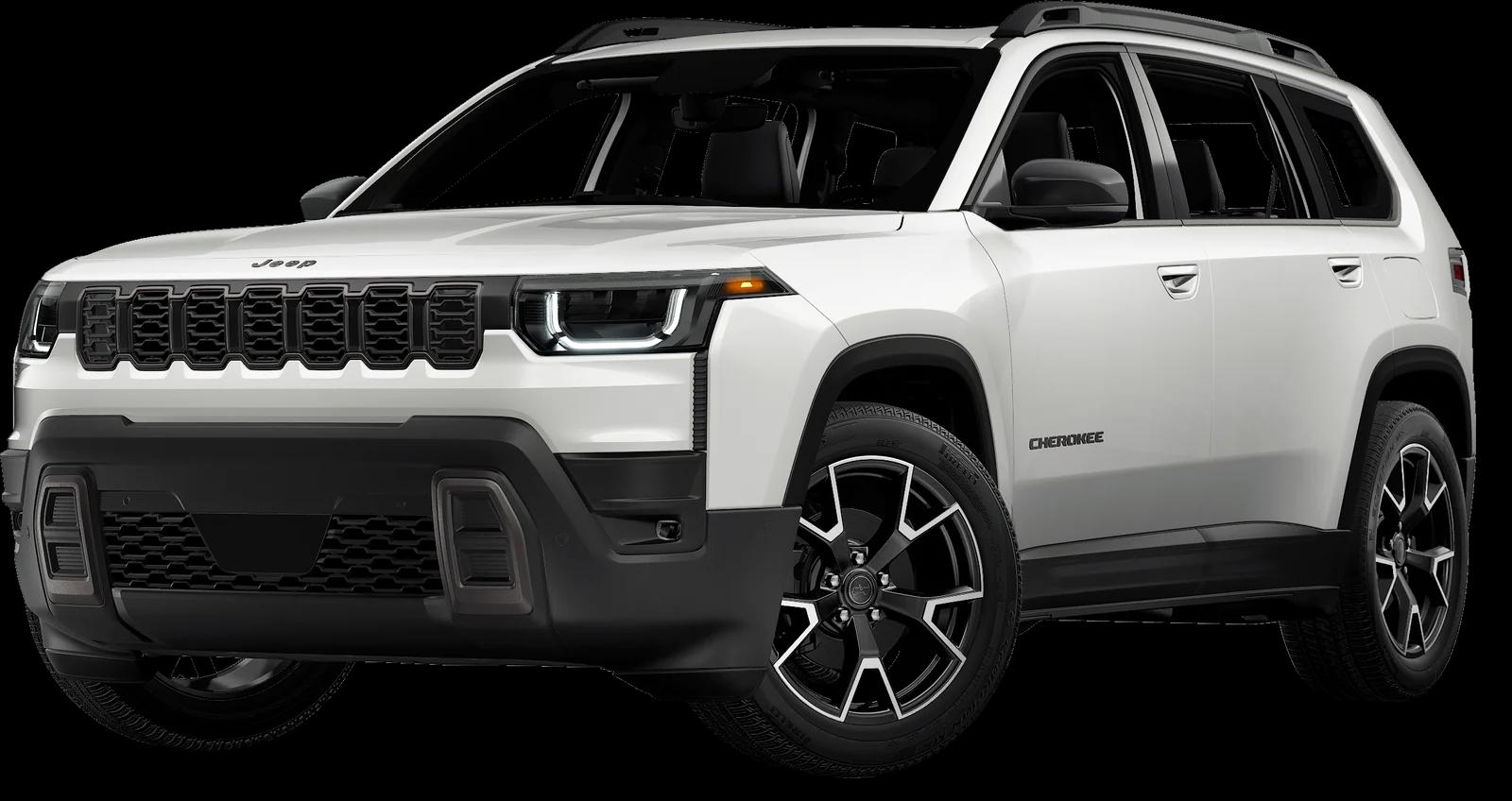
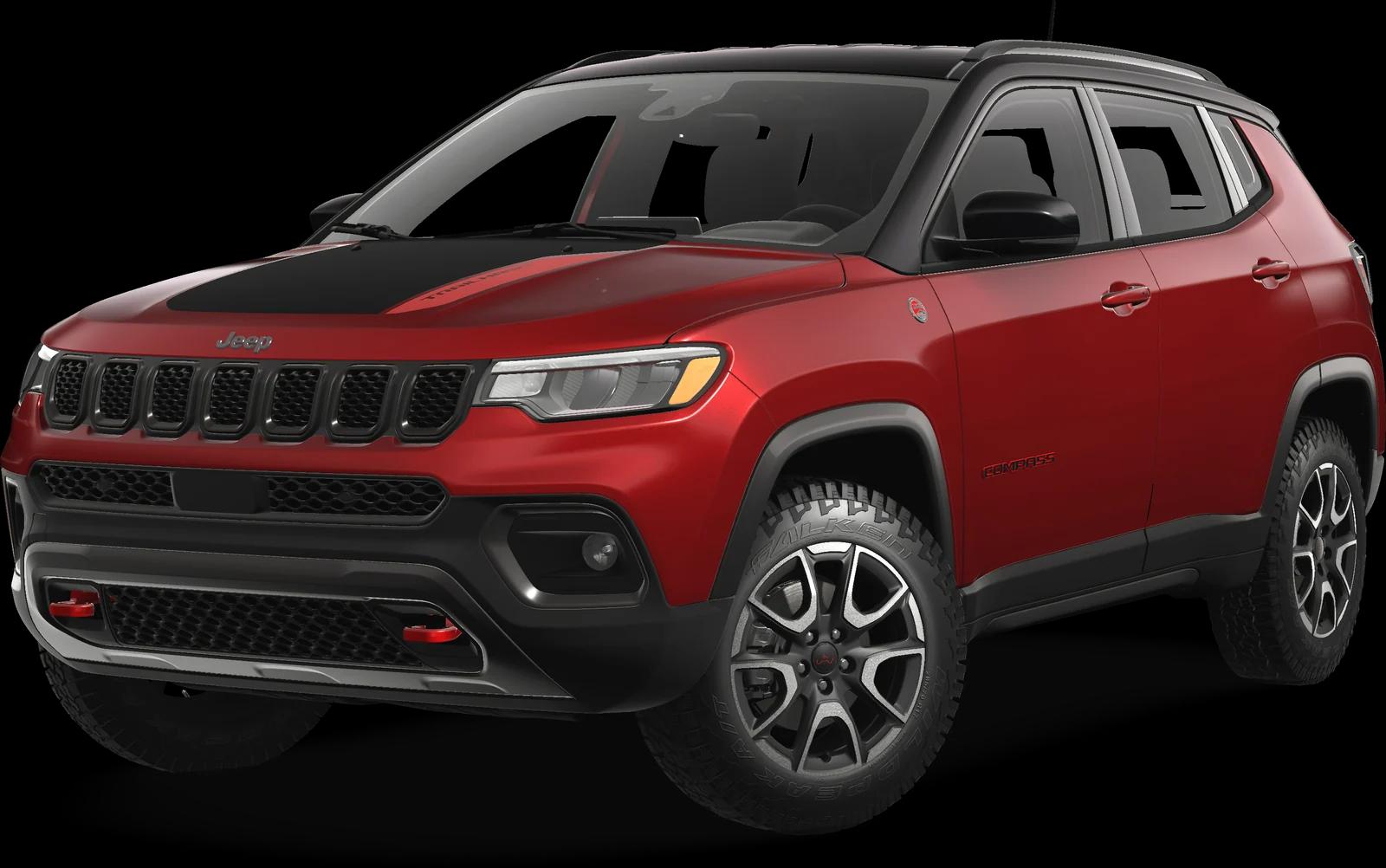
| Compass | 173.4 in | 64.6 in (64.8 with roof rails) |
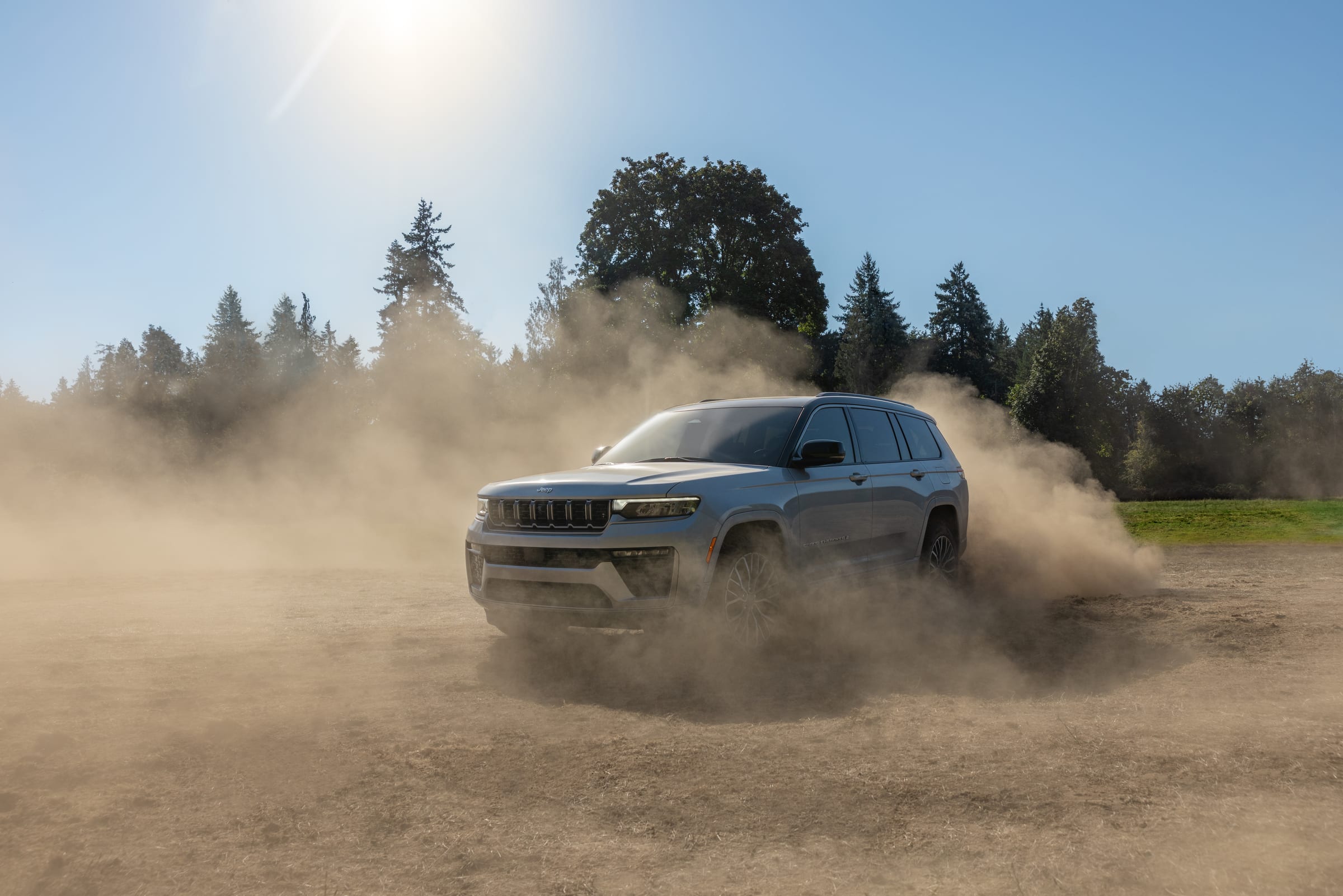
| Cherokee | 188.1 in | 68.5 in |
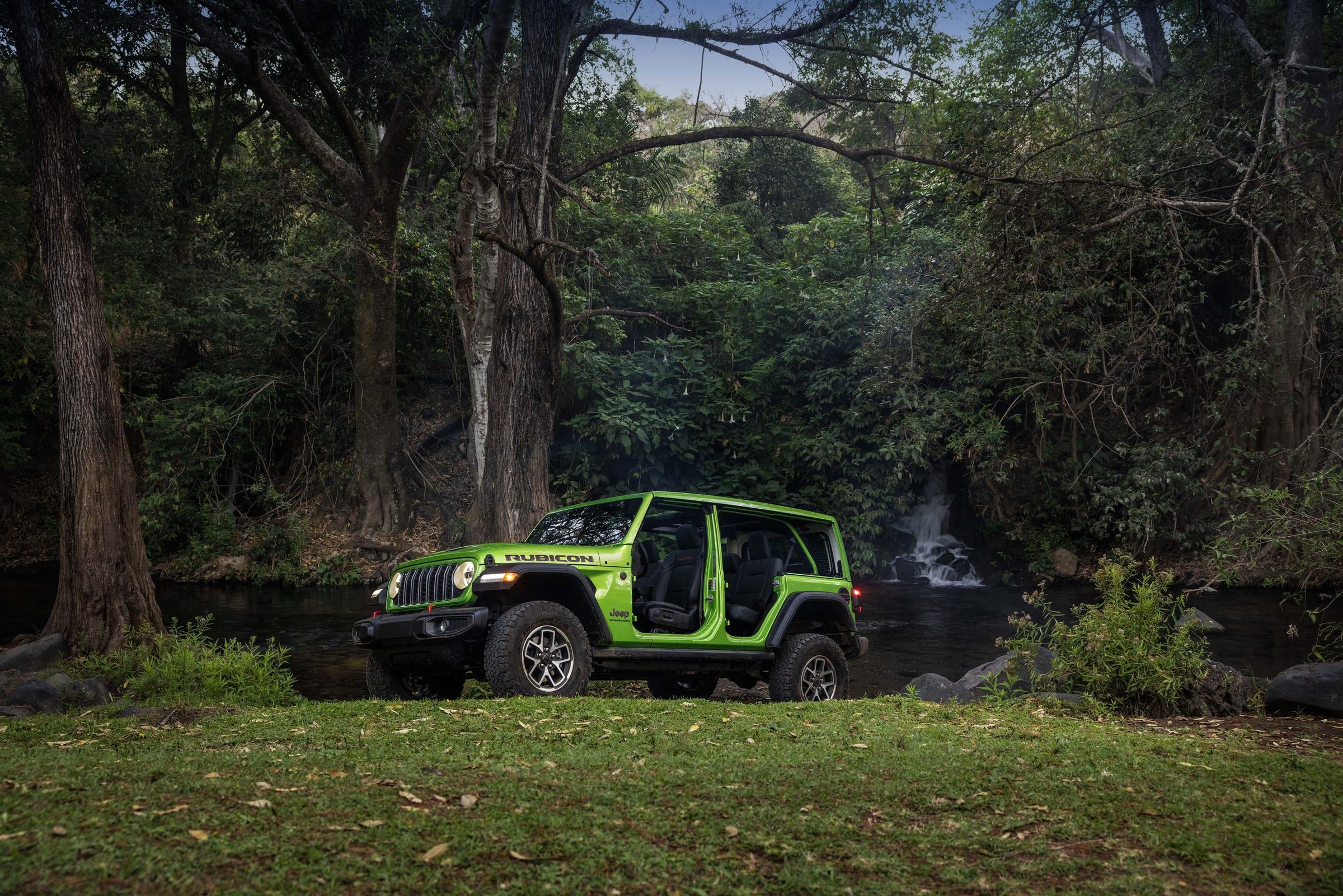
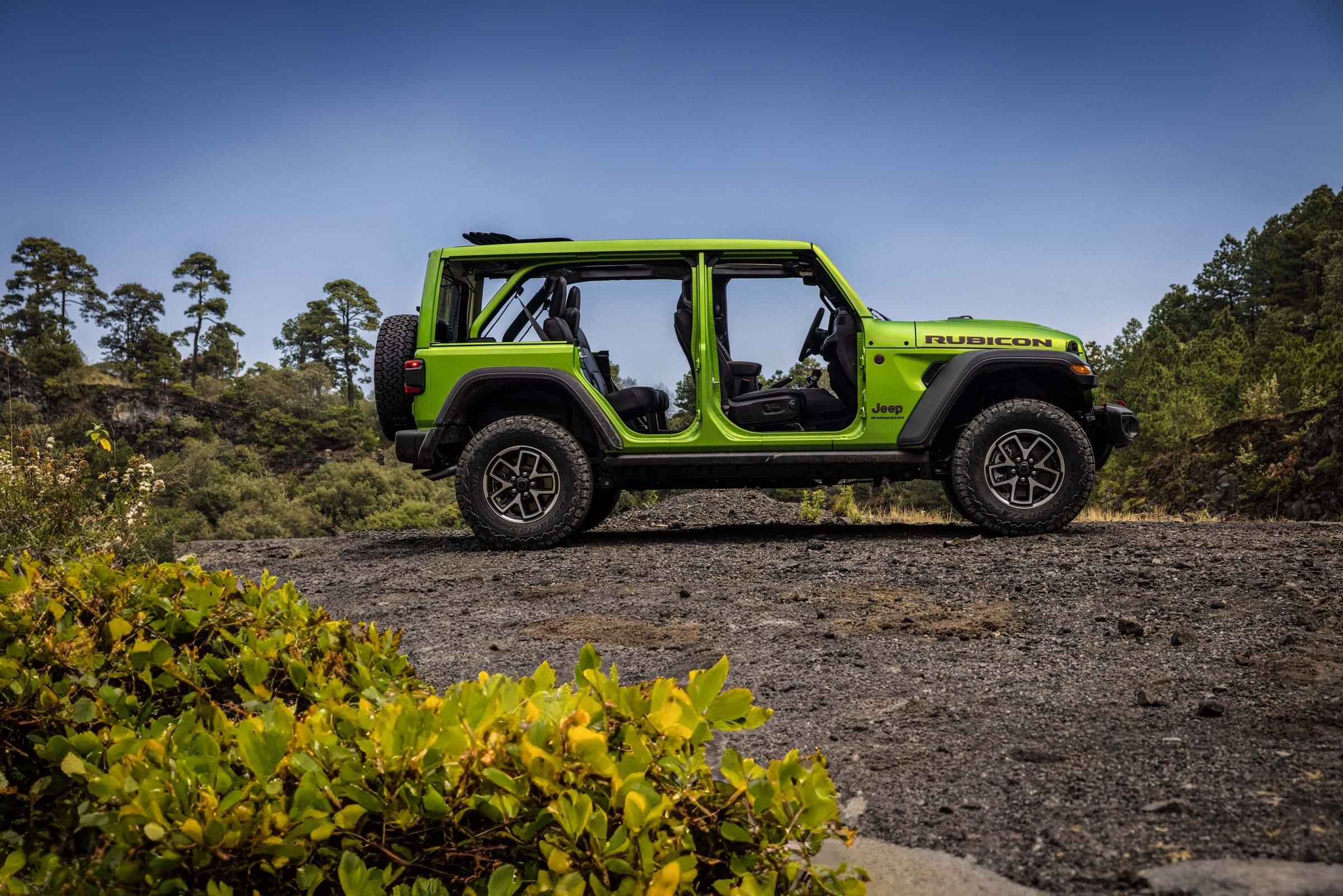
| Wrangler 2‑door | 166.8 in (including spare) | 73.6 in |
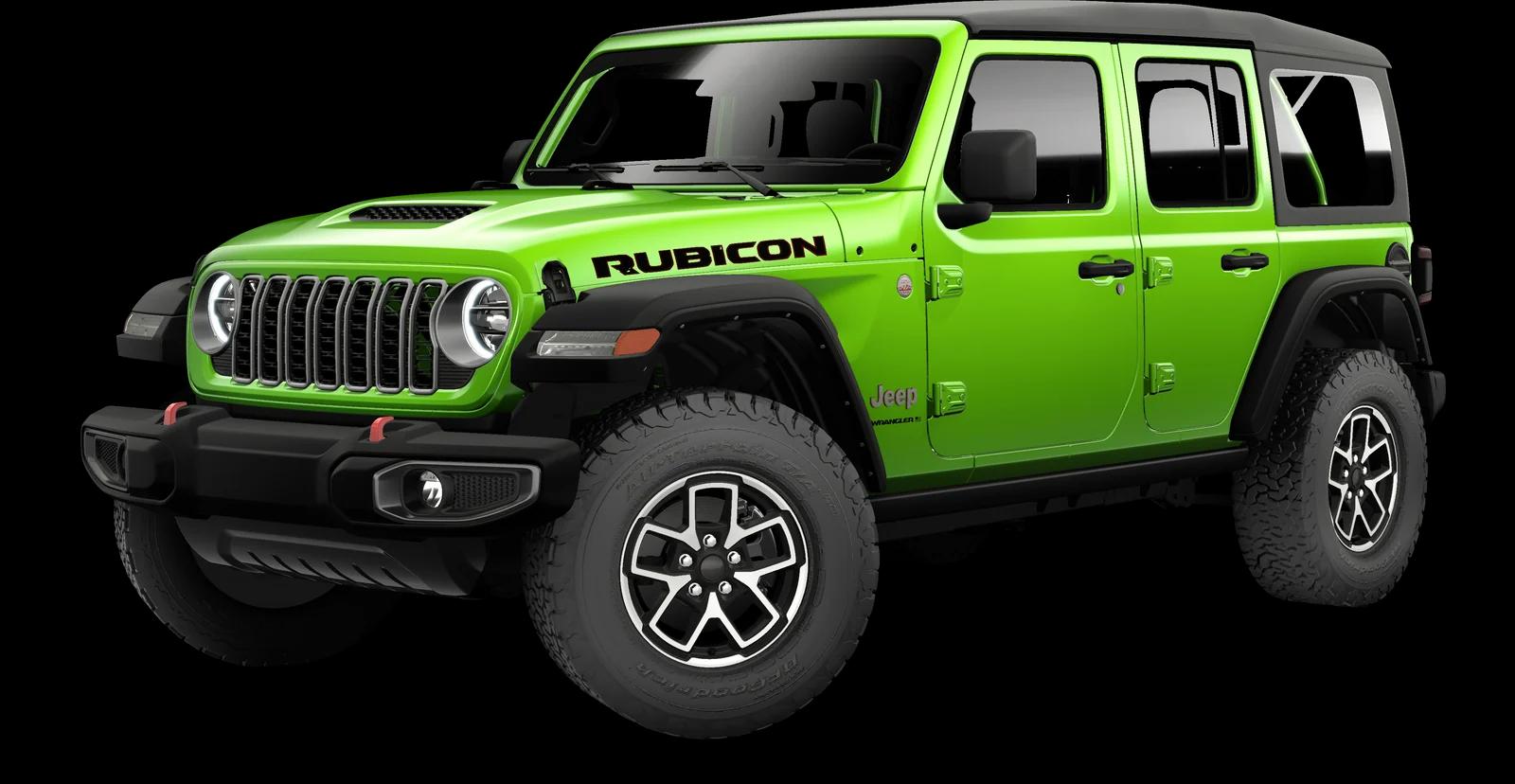
| Wrangler 4‑door | 188.4 in (up to 192.5 with Xtreme 35 or Moab 392) | 73.6 in (75.5 with Xtreme 35 or Moab 392) |
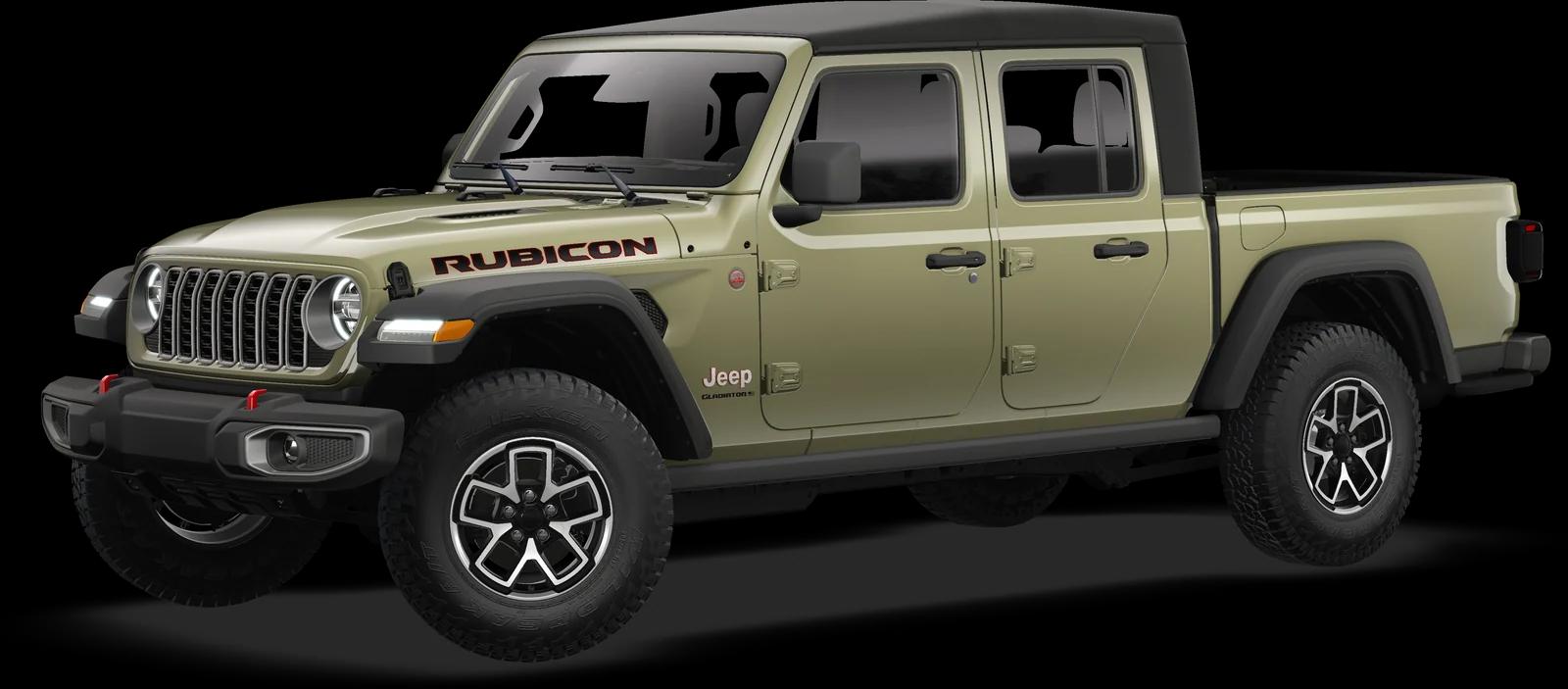
| Gladiator | 218.0 in | 73.1 in (hardtop) to 76.1 in (soft top, Rubicon) |
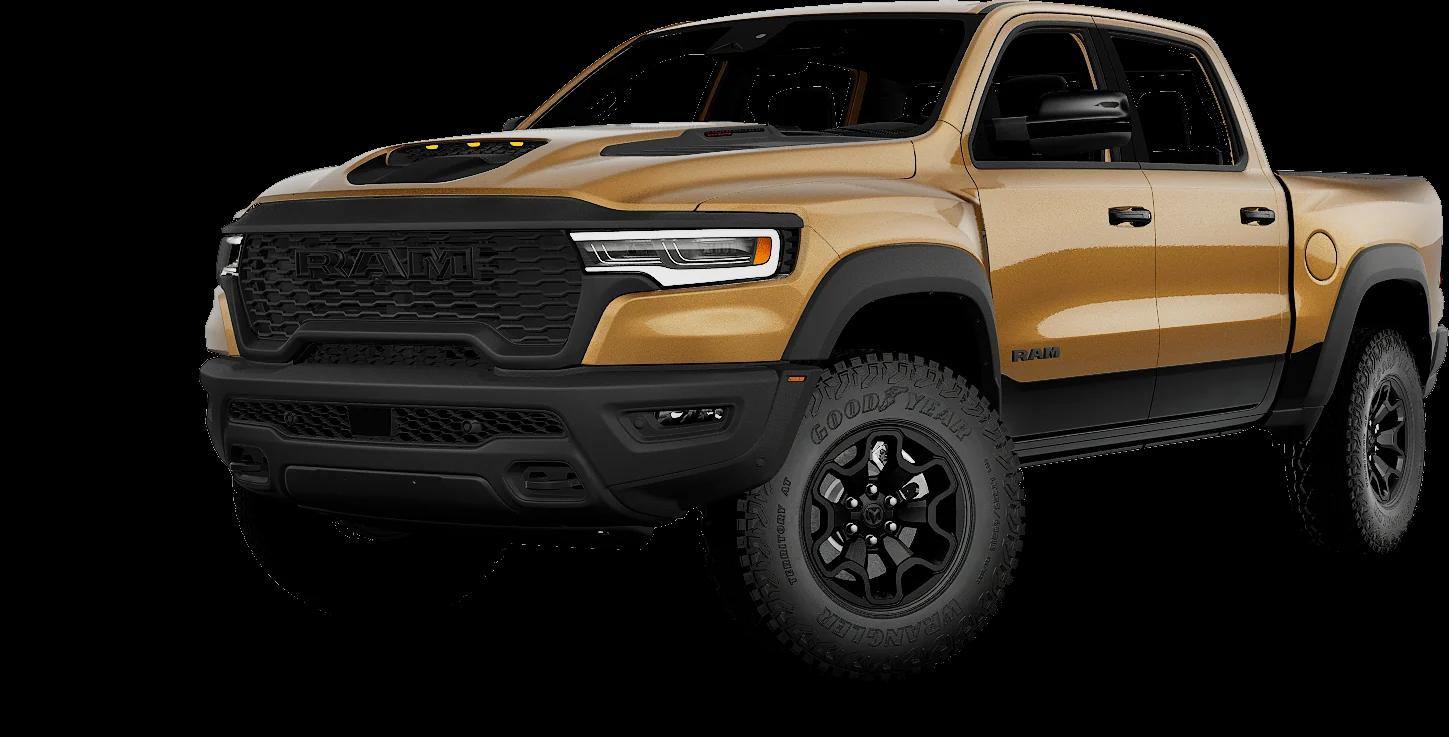
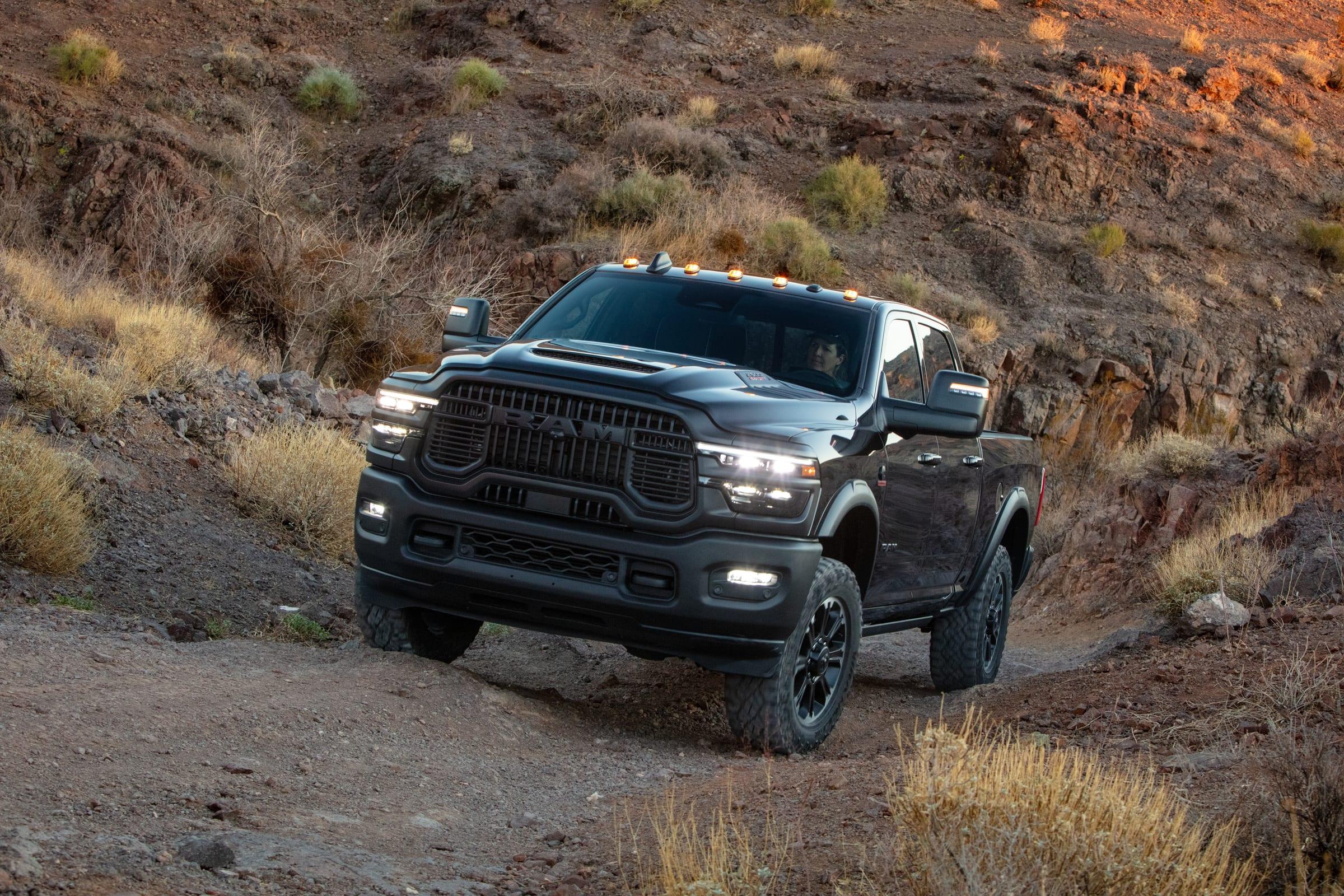
| Ram 1500 | 220.5 to 241.3 in | about 75.8 to 81.9 in |
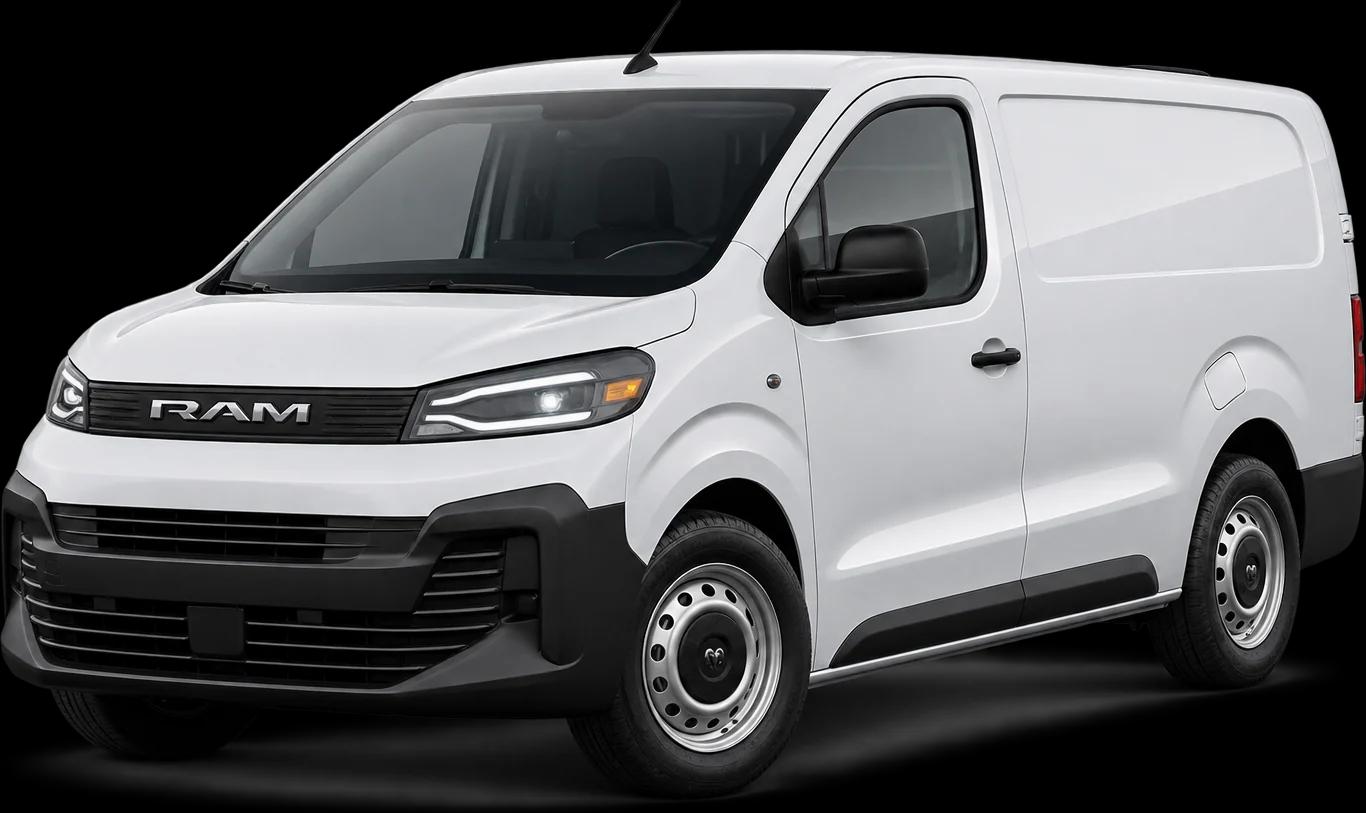
| ProMaster City | not listed | just under 77 in |
Dividing by twelve gives a rough length in feet. The Compass is about 14.5 feet long. The Wrangler two-door is about 13.9 feet. The Ram 1500 Crew Cab with the 6 ft 4 in bed, at 241.3 inches, is just over 20 feet.
The ProMaster City is a compact van. Ram lists a 129‑inch wheelbase and a height just under 77 inches, but the overall length is not given in the specifications reviewed here. If you plan a ferry trip in one, confirm the length before you book.
Short wheelbases on short sailings
The shortest vehicles are the Wrangler two-door and the Compass. Both keep to a small footprint, and the Wrangler two-door has a turning diameter of 32.7 feet, which helps on a crowded car deck or when you drive off into a tight terminal lane.
A tight terminal lane at a small-town dock can force a sharp turn. The Compass turns in 36.3 feet, the Cherokee in 40.3, and the Gladiator in 44.5 to 44.7.
The Cherokee at 188.1 inches and the Wrangler four-door at 188.4 inches are within a third of an inch of each other. That might matter if a category line sits between two vehicles, but it only matters if it does. Check the category for your route.
What a trailer or roof box adds
Any addition changes your numbers. A kayak on a roof rack, a cargo box on crossbars and a bike rack on the hitch all change the height or the length that counts at the ticket booth.
Roof height is the easy one. A Compass starts at 64.6 inches and has plenty of room for a box on its roof rails. A Gladiator with a soft top is already 76.1 inches in Rubicon form, so a rack or box moves it into taller territory fast. A Wrangler on 35‑inch tires is already at 75.5 inches before any gear.
Trailers change the length and the rules. Jeep lists towing at up to 2,000 pounds on the Compass, up to 3,500 on the Cherokee, and 2,000 on the two-door Wrangler. The Ram 1500 can tow up to 11,530 pounds when equipped with the Hurricane SO engine. A truck pulling a boat or a camper will be a very different vehicle on the car deck than the truck alone. Reservations are often tied to the whole rig, so give the operator the real length when you book. Do not guess.
Island parking and the other end
Many ferry riders leave the car at the terminal and walk on. Others take the vehicle for the whole island. Both groups meet the same problem: parking is tight at the terminal and in town.
A smaller vehicle helps at the lots in Edmonds, Anacortes, Port Townsend and Kingston, and in the small downtowns of Southeast Alaska. A 173‑inch Compass slides into a compact slot more easily than a 241‑inch Ram. At the same time, the Ram carries more: a 5 ft 7 in or 6 ft 4 in bed will take a load of lumber, a generator or a pile of firewood that a small SUV cannot.
For a vehicle on the Alaska Marine Highway, the same logic applies at the far end. Many Southeast Alaska towns have only a short road network, so a compact vehicle often covers everything you will drive there.
Picking by the trip you really take
If you cross every day, prioritize the smallest footprint that fits your life, and consider walking on. If you cross a few times a year for the island cabin, load the car and check the length with your gear on it. If you make a once-a-decade trip with a camper, treat the booking as a planning exercise: measure first, then call or check the operator.
Whichever route you take, confirm the vehicle length and height rules, the reservation window and any holiday restrictions with the operator before you travel. They set the categories. A spec sheet only gives you the starting numbers.