Ownership
DEF Tanks, Fuel Notes and Winter Prep for EcoDiesel and Cummins
DEF tank sizes, cold-weather fuel notes, oil grades, coolant and fuel tank capacities for Ram Cummins and EcoDiesel Ram, Wrangler and Gladiator.
By the Northwest CDJR editorsUpdated November 8, 20268 min read
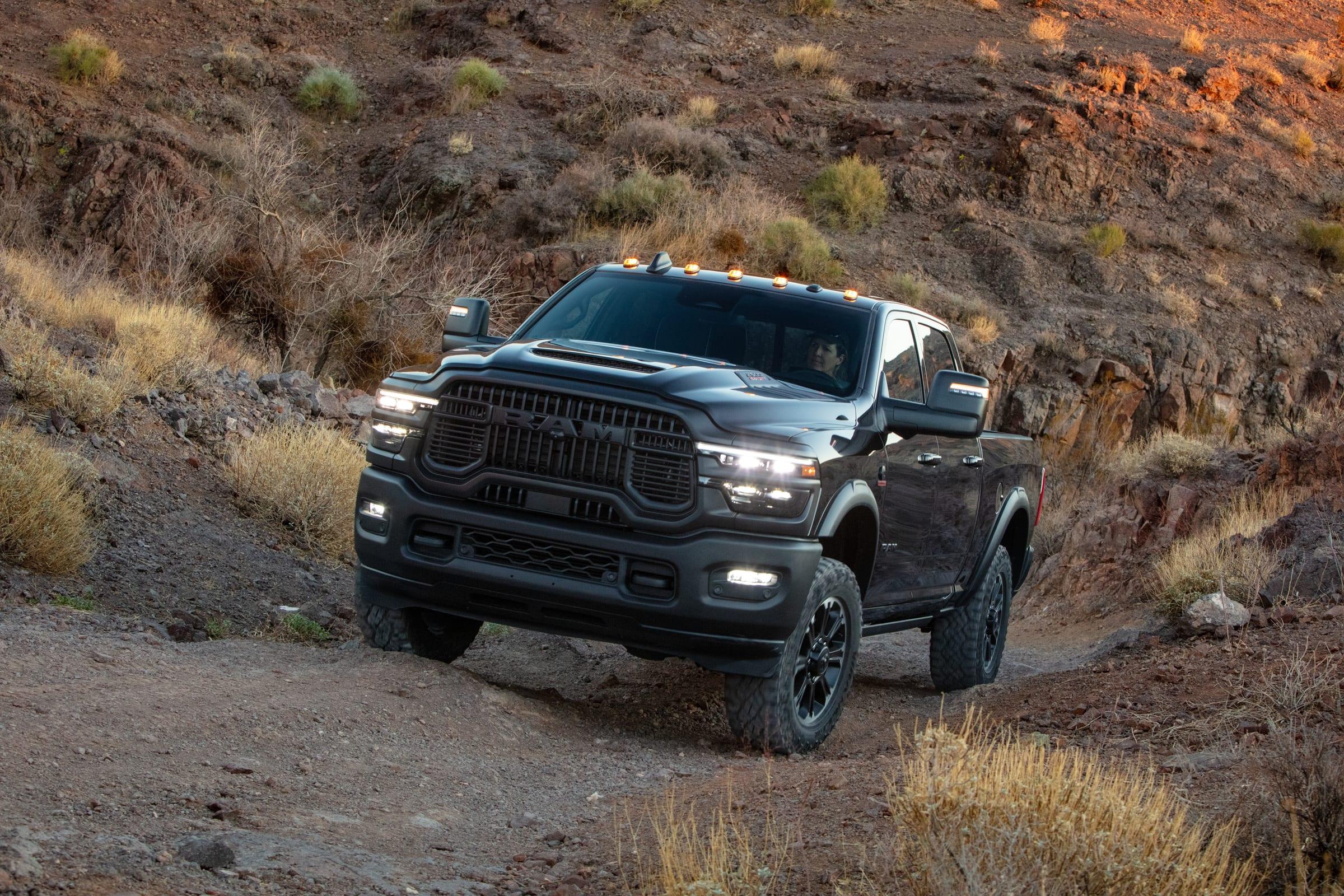
The DEF tank in a Ram 2500 or 3500 with the Cummins holds 5.5 gallons in the 2015 to 2018 model years, 5.7 gallons from 2020 to 2024, and 7.5 gallons from 2025 to 2027. The EcoDiesel V6 is smaller: 5.14 or 5.74 gallons in the 2020 to 2023 Ram 1500 (depending on trim), and 5.1 gallons in the 2021 to 2023 Jeep Wrangler and Gladiator. Those are the capacity figures the research data holds, and the sections below put them next to the cold-weather fuel notes, oil grades and tank sizes that matter once the mornings turn hard in Fairbanks, Missoula, Jackson or the Cascade passes.
One caution up front: the research data carries the manufacturers' fuel and fluid notes, but not a DEF freezing point or any description of how a DEF tank is heated. Where this page mentions temperatures, they are the ones the owner's-manual pages print, and nothing else is added.
Which diesels are in the data
| Engine | Models | Years with capacity and fuel rows |
|---|---|---|
| 6.7L Cummins | Ram 2500 and Ram 3500 | 2015 to 2018 and 2020 to 2027 (the 2019 capacity, fluid and fuel pages list only the 6.4L gasoline engine, though its engineering spec sheet does list the Cummins) |
| 6.7L Cummins | Ram Chassis Cab | 2015, 2016, 2018 and 2020 to 2027 |
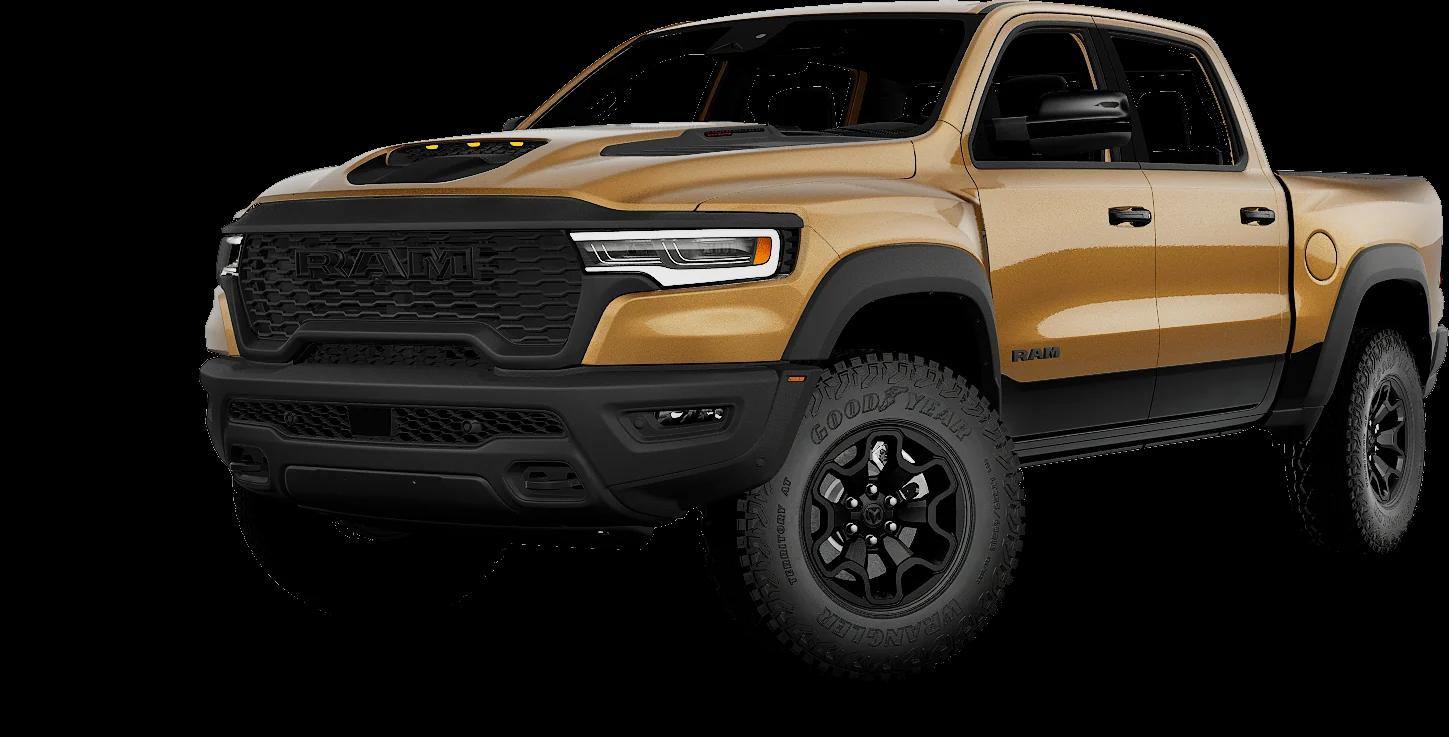
| 3.0L EcoDiesel | Ram 1500 | 2020 to 2023 |
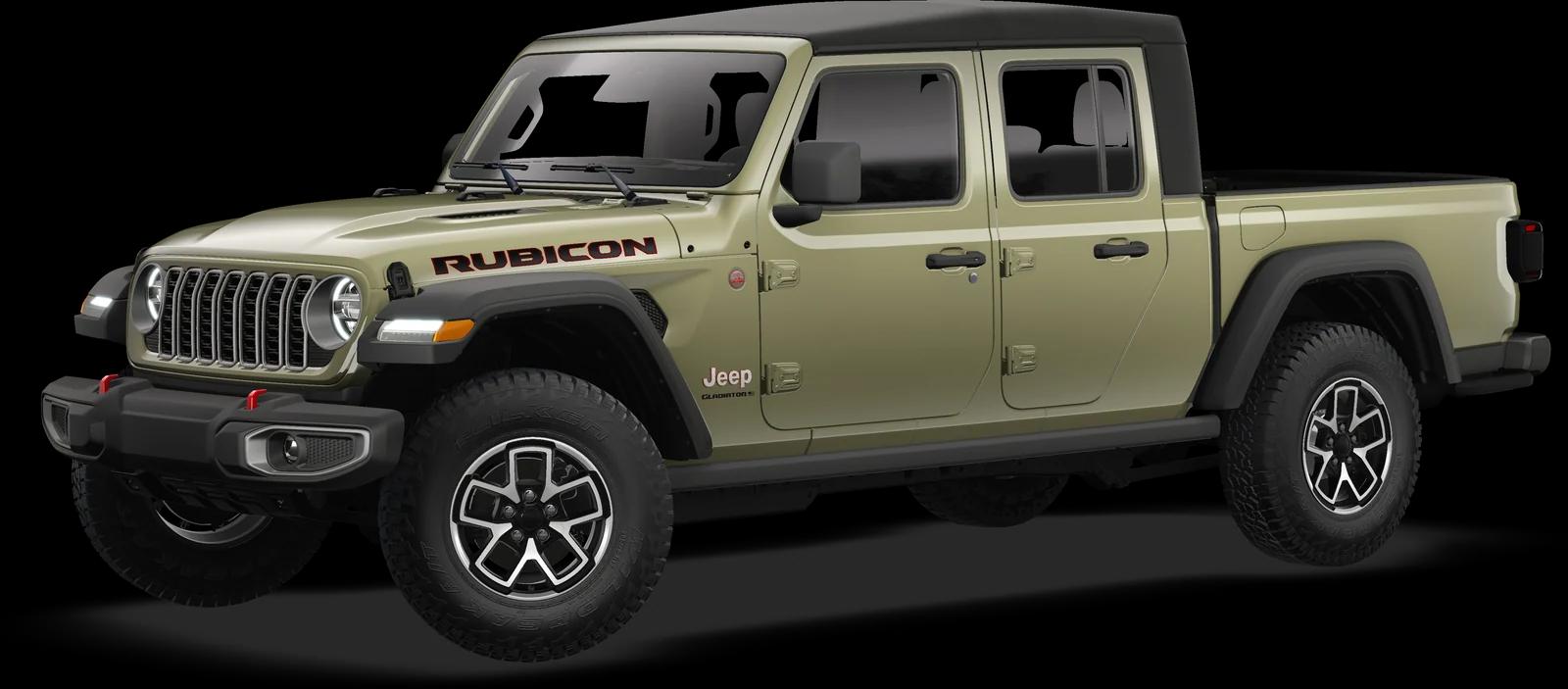
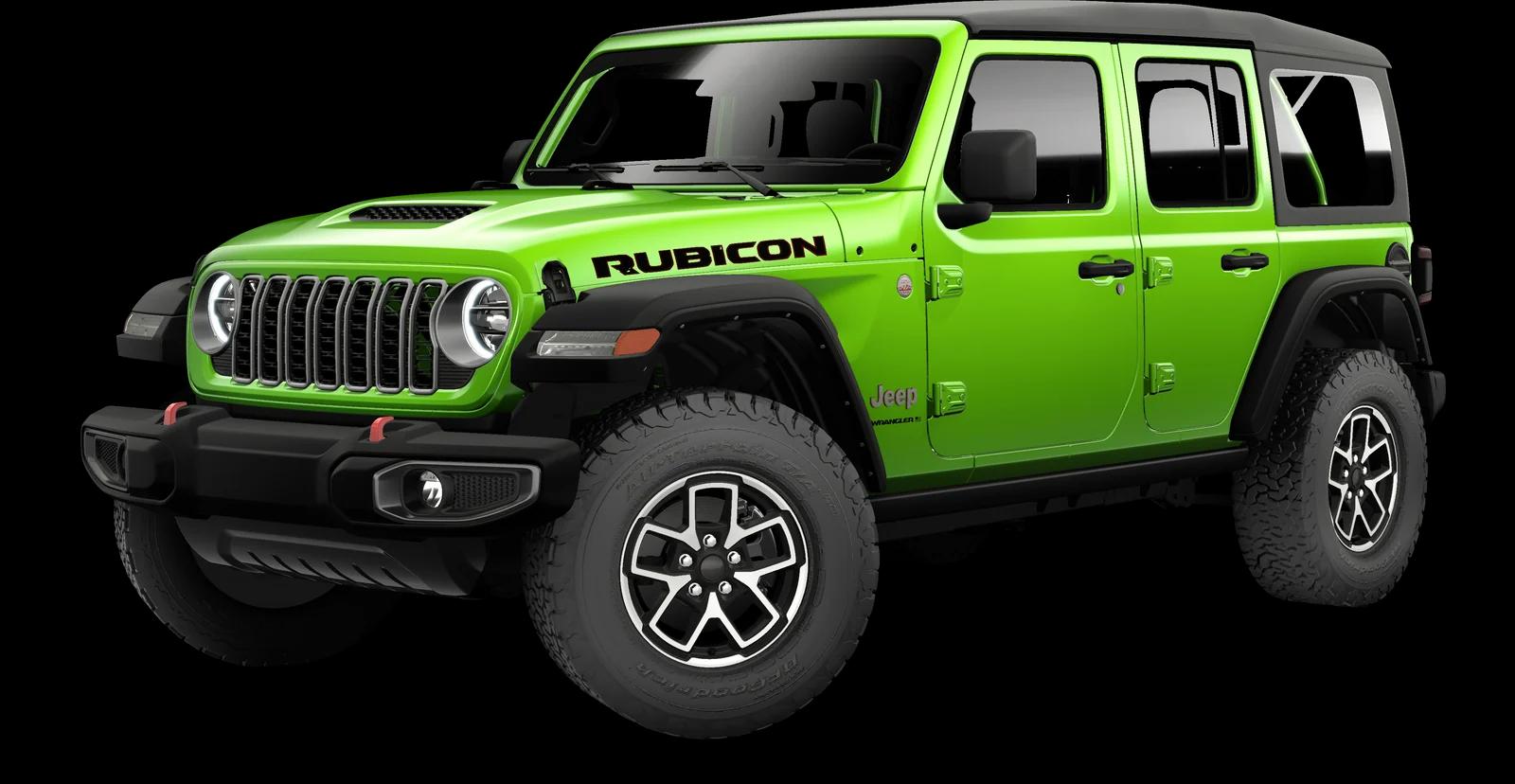
| 3.0L EcoDiesel | Jeep Wrangler, Jeep Gladiator | 2021 to 2023 |
| 3.0L EcoDiesel | Jeep Grand Cherokee | maintenance schedules for 2017, 2018 and 2019 only; spec sheets for 2015 to 2019 list oil (8.2 qt) and coolant (12 qt) but no DEF tank, and there are no capacity, fluid or fuel-note rows |
The 2019 Grand Cherokee is the odd one: it has a diesel service table, but the capacity and fuel pages in the research data list no diesel specifics, and the spec sheets give no DEF tank size, so nothing about its DEF tank can be stated here beyond the 10,000‑mile "completely fill" row in its table.
DEF tank size by model and year
| Vehicle | Years | DEF tank |
|---|---|---|
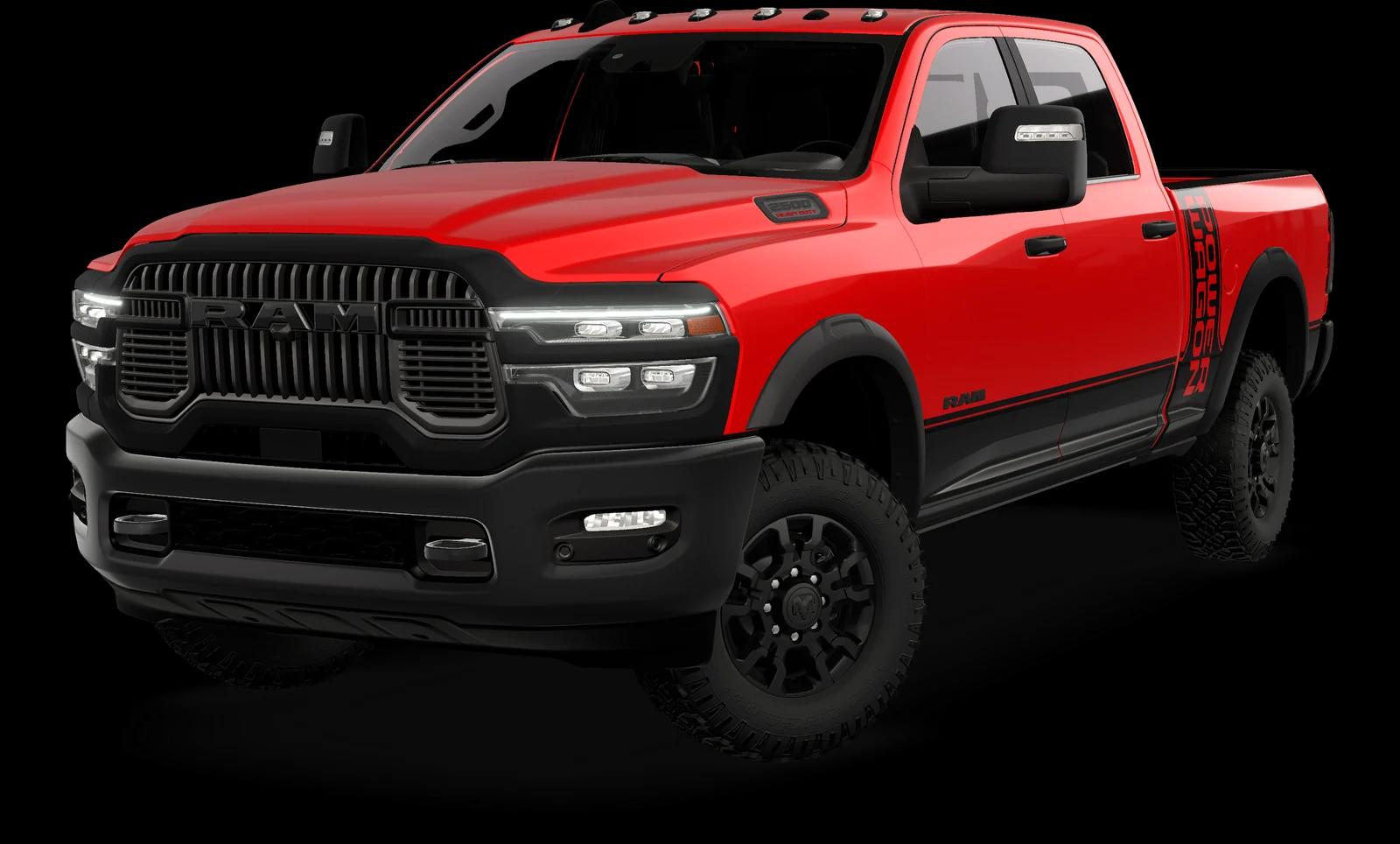
| Ram 2500 and 3500 (Cummins) | 2015 to 2018 | 5.5 gal (21 L) |
| Ram 2500 and 3500 (Cummins) | 2020 to 2024 | 5.7 gal (21 L) |
| Ram 2500 and 3500 (Cummins) | 2025 to 2027 | 7.5 gal (28.4 L) |
| Ram Chassis Cab (Cummins) | 2015, 2016, 2018 | 9 gal (34 L) |
| Ram Chassis Cab (Cummins) | 2020 to 2027 | 8.7 gal |
| Ram 1500 EcoDiesel, Tradesman and Rebel | 2020 to 2023 | 5.14 gal (19.5 L) |
| Ram 1500 EcoDiesel, all other trims | 2020 to 2023 | 5.74 gal (21.7 L) |
| Wrangler and Gladiator EcoDiesel | 2021 to 2023 | 5.1 gal (19.3 L) |
The step from 5.7 to 7.5 gallons in the 2025 heavy-duty trucks adds 1.8 gallons (7.5 minus 5.7). On a long run between Billings and Missoula, a bigger tank means fewer top-offs, though the data does not say how many miles a tank of DEF covers. For what the schedules say about checking it, the Cummins tables list a DEF check and refill every 7,500 miles from 2019 on (see the 2025 Ram 2500), while the 2017 and 2018 trucks and the EcoDiesel Wrangler, Gladiator, Grand Cherokee and Ram 1500 tables say to completely fill the tank every 10,000 miles.
What the fuel notes say about cold
The fuel pages are where manufacturers talk about winter. Here is what the Ram 2500 pages say for the Cummins in selected years. The 2500 and 3500 pages word these notes differently in most years, so check your own year's page.
| Model year (Ram 2500) | Biodiesel line | Cold-weather line |
|---|---|---|
| 2015 | Up to B5; up to B20 on pickups and Chassis Cabs with the B20 option | Below 20°F (-7°C), use climatized No. 2 or blend 50% No. 1 diesel |
| 2016 | Up to B5; B20 where optioned | Below 20°F (-6°C), a Mopar fuel treatment is recommended against gelling; No. 1 ULSD only for sustained arctic conditions |
| 2017 | Same | A fuel treatment is advised below 20°F (-6°C) to avoid gelling if No. 1 or climatized diesel is unavailable |
| 2020 | Up to B5; B20 on pickups and Chassis Cabs with B20 capability | Below 20°F (-7°C), climatized No. 2 or a blend with No. 1 ULSD; drain the fuel/water separator regularly |
| 2022 | Same | Below 20°F (-7°C), climatized No. 2 or a blend with No. 1 |
| 2026 | Up to B5; B20 on pickups configured for it | Below 20°F (-7°C), climatized No. 2 or a blend with No. 1; with more than 5% biodiesel, change oil at 15,000 miles or 500 hours, no later than 6 months |
| 2027 | Up to B20 on pickups, B5 on others | Climatized or No. 1 ULSD in extreme cold; oil at 15,000 miles/500 hours or 6 months above 5% biodiesel |
Notice the Fahrenheit-to-Celsius conversion drifts: some pages print -6°C and others -7°C for the same 20°F. The research data keeps what each page printed, which is a reminder that these are guidance lines, not lab values.
The EcoDiesel notes are lighter. The 2020 Ram 1500 says to use a climatized fuel or a 50% No. 1 diesel blend below 20°F (-7°C). The 2022 Ram 1500 says arctic conditions call for climatized or No. 1 ULSD. The 2021 Gladiator allows No. 1 ULSD only for extended arctic conditions, quoting -10°F (-23°C), and the 2022 Gladiator repeats the idea without a number. The 2021 and 2023 Ram 1500 notes contain no cold-weather line at all. Every EcoDiesel page sets a B5 limit, with B6 to B20 only where a state mandates it (most pages add a 30-day use window). The 2022 and 2023 Wrangler pages add a second option, B6 to B20 with shortened service: the 2023 Wrangler says to replace the fuel filter every second oil change, no later than 16,000 miles.
Oil and coolant
| Vehicle and years | Engine oil with filter | Oil grade | Coolant system |
|---|---|---|---|
| Ram 2500/3500 Cummins, 2015 to 2018 | 12 qt (11.4 L) | 15W‑40 CJ-4 above 0°F; 5W‑40 synthetic below 0°F | 5.7 gal (21.4 L) |
| Ram 2500/3500 Cummins, 2020 to 2027 | 12 qt (11.4 L) | 10W‑30 CK-4 above 0°F; 5W‑40 synthetic CK-4 below 0°F | 22 qt (20.8 L; 21 L from 2025) |
| Ram 1500 EcoDiesel, 2020 to 2023 | 8.5 qt (8.0 L) | 5W‑40 synthetic (API SN in 2020 and 2021; API SP in 2022 and 2023) | 11.6 qt (11 L) |
| Wrangler EcoDiesel, 2021 to 2023 | 9 qt (8.5 L) | 5W‑40 synthetic | 12 qt (2021); 14.8 qt (2022); 14 qt (2023) |
| Gladiator EcoDiesel, 2021 to 2023 | 9 qt (8.5 L) | 5W‑40 synthetic | 12 qt (2021); 14.5 qt (2022 and 2023) |
The Cummins is the only one of these with a temperature split in its oil spec: a switch at 0°F (-18°C), from a conventional diesel grade to a synthetic 5W‑40, in every year the data covers. The EcoDiesel pages name 5W‑40 synthetic throughout, with no temperature line. All of them use a 10-year, 150,000‑mile OAT coolant, according to the fluid pages.
Block heaters appear in the feature charts rather than the capacity pages. The Ram 2500 and 3500 charts for 2015 through 2022 list a Cold Weather Group that includes a block heater and a winter front grille cover (marked diesel-only in the 2015 to 2018 charts, optional on most trims and not available on Power Wagon trims, where the 2015 and 2018 charts list the block heater alone as an option). The Ram Chassis Cab charts, such as the 2024 Ram Chassis Cab, list the group from 2019 through 2027 as a diesel option with an engine block heater cord. The 2023 to 2027 pickup charts in the research data have no block heater row, so for a newer 2500 or 3500 check the window sticker.
Fuel tank sizes and range
| Vehicle and years | Diesel tank | Gasoline comparison |
|---|---|---|
| Ram 2500/3500 Cummins, 2020 to 2027 | 28 gal (standard cab longbed), 31 gal (crew/mega cab shortbed), 32 gal (crew cab longbed), 50 gal (crew cab longbed, if equipped) | Gas (2020 to 2027): 31 gal shortbed, 32 gal longbed, 50 gal if equipped on crew cab longbed |
| Ram 2500/3500 Cummins, 2015 to 2018 | 28 gal (standard cab longbed), 31 gal (crew/mega cab shortbed), 32 gal (crew cab longbed) | Gas pages list 31 gal shortbed, 32 gal longbed |
| Ram Chassis Cab, 2015, 2016 and 2018 to 2027 | 52 gal rear; 22 gal optional midship | same sizes in the gas and diesel rows (2021, 2023, 2024, 2026) |
| Ram 1500 EcoDiesel, 2020 to 2023 | 26 gal (98.5 L) | 23 gal, 26 gal, or 33 gal (optional) |
| Wrangler EcoDiesel, 2021 to 2023 | 18.3 gal (69 L) | 17.5 gal two-door, 21.5 gal four-door |
| Gladiator EcoDiesel | 18.3 gal (2021); 19 gal (2022, 2023) | 22 gal |
Range is gallons times your real-world miles per gallon, and the research data has no towing fuel-economy figure, so pick your own number from the dash. The tank gap is the useful fact: the Wrangler diesel's 18.3 gallons is 3.2 gallons below the four-door gasoline tank's 21.5, and the Gladiator diesel's 19 gallons (2022 and 2023) is 3 below its 22. On routes where fuel stops are far apart, a gap that size is worth knowing before you leave.
How to check your own truck
Run the VIN through the VIN decoder to confirm engine and year, then open that year's page, such as the 2022 Ram 3500, to read the fluids and fuel notes for exactly your configuration. The spec explorer compares years side by side, and the towing hub covers hauling limits for the same trucks.