Comparison
Drift Boats, Rafts and Campers: Towing to Northwest Rivers
Tow ratings, payload, tow packages and camera aids for hauling a drift boat or raft trailer to the Deschutes, Yakima, Clark Fork, Snake and Salmon rivers.
By the Northwest CDJR editorsUpdated November 6, 20266 min read
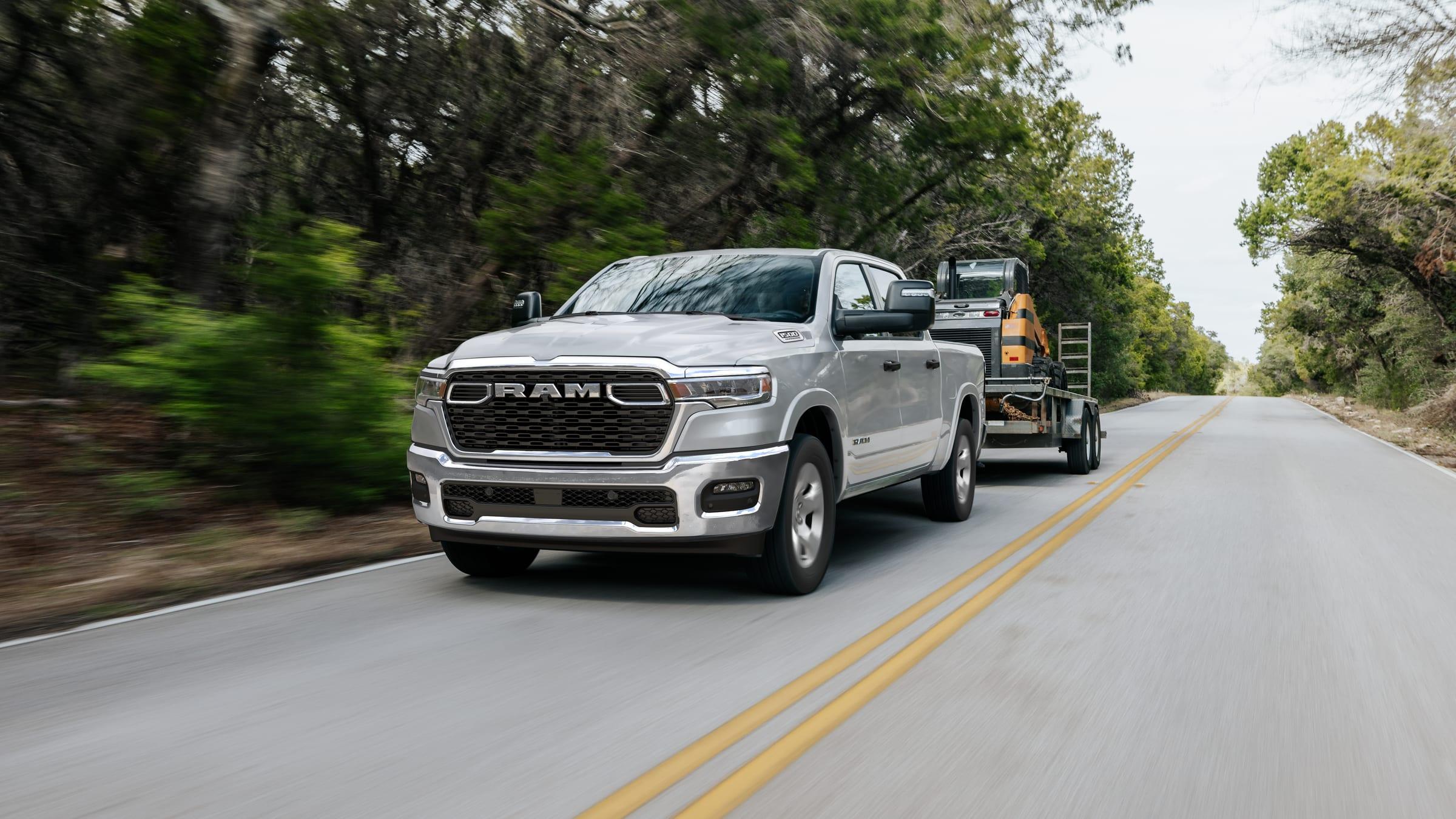
River season in the Northwest starts with a trailer. A drift boat for the Deschutes or the Yakima canyon, a raft frame bound for the Salmon in Idaho, or a travel trailer headed to a campground on the Clark Fork or the Snake all ask the same thing of a tow vehicle: stable pulling on the highway, good traction on a wet gravel ramp, and a camera or two when you back down to the water.
This comparison covers six Ram and Jeep options, using each manufacturer's published ratings and option prices for the 2027 model year. Prices are starting figures before destination and will change. Boat ramps, river access, permits and launch rules vary by river and are set by the managing agency, such as the Bureau of Land Management, the U.S. Forest Service, a state parks department or a tribal authority. Check with them before you go.
Start With the Whole Rig, Not the Boat
A drift boat on a trailer, with oars, a cooler, an anchor system and a couple of rods, weighs more than the boat alone. A raft trailer with frames, dry boxes and a week of food for a multiday trip can be heavier still. Weigh it, or at least use the trailer's rating plate and a conservative estimate, before you compare tow ratings.
Two numbers matter. The first is the tow rating. The second is payload, which has to cover passengers, gear in the cab or bed, and the trailer's tongue weight. Many buyers focus on towing and then run out of payload with four people, a dog and a cooler aboard. Leave margin on both.
The Numbers Side by Side
| Vehicle | Max tow rating | Payload | Tow equipment (price) |
|---|---|---|---|
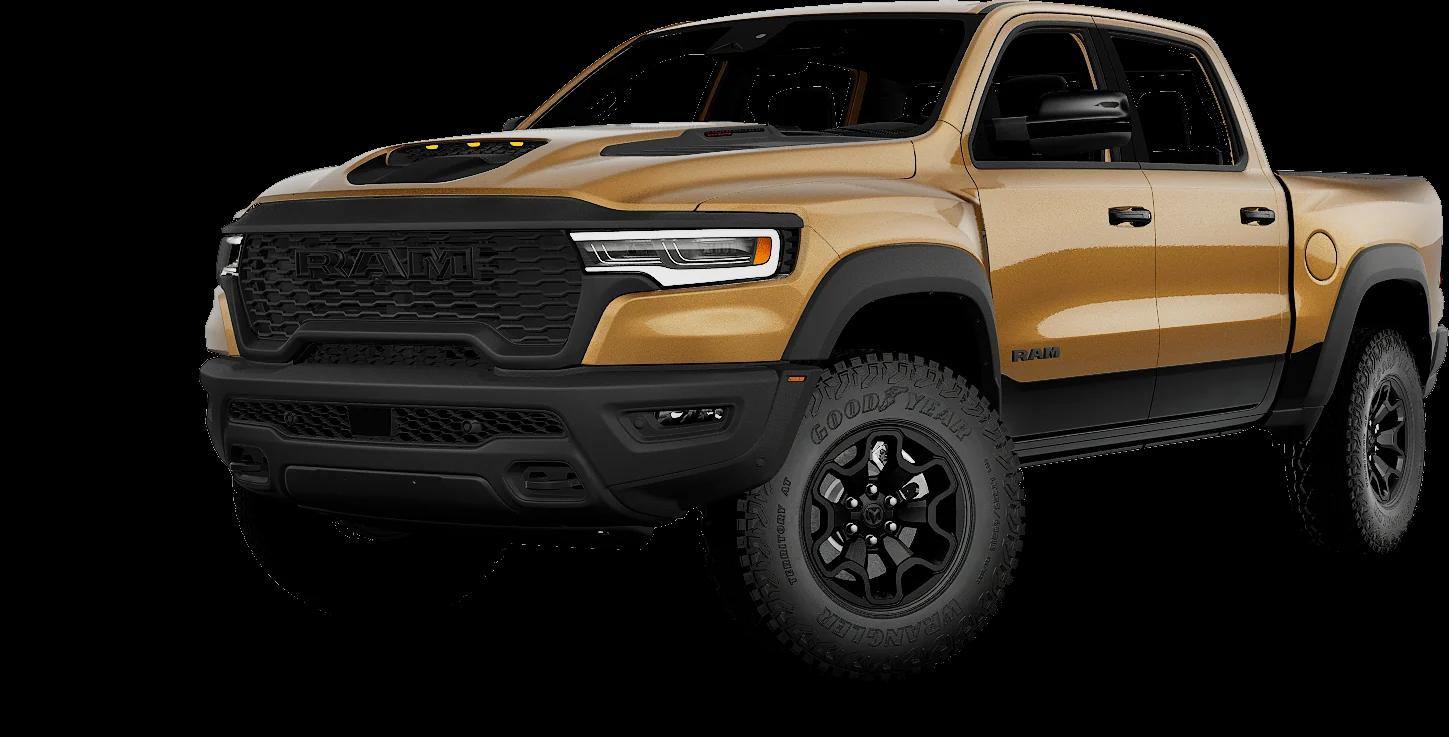
| Ram 1500 | Up to 11,530 lbs | 1,150 to 2,340 lbs by engine | Trailer Tow Group II ($1,095); Towing Technology Group ($595) |
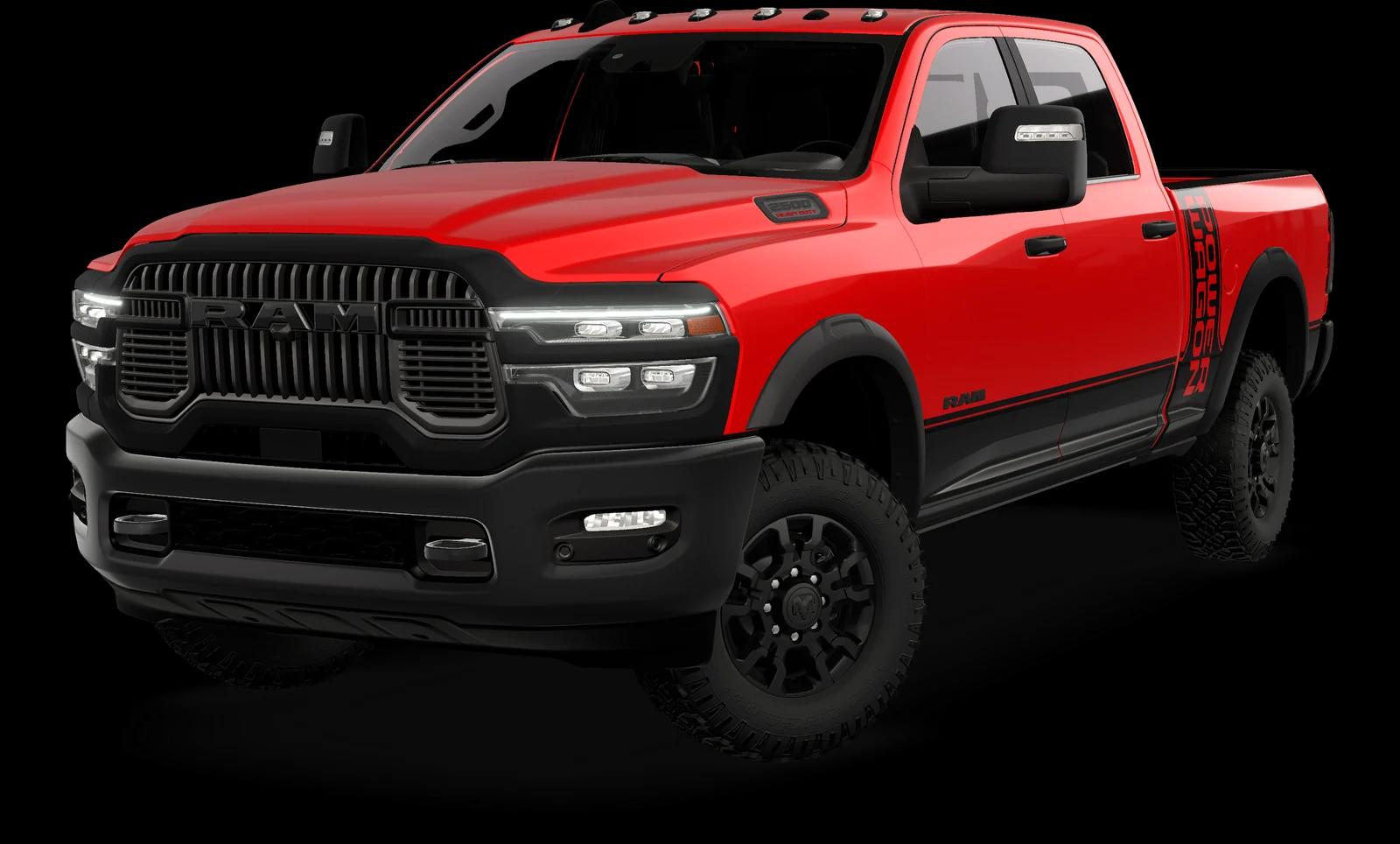
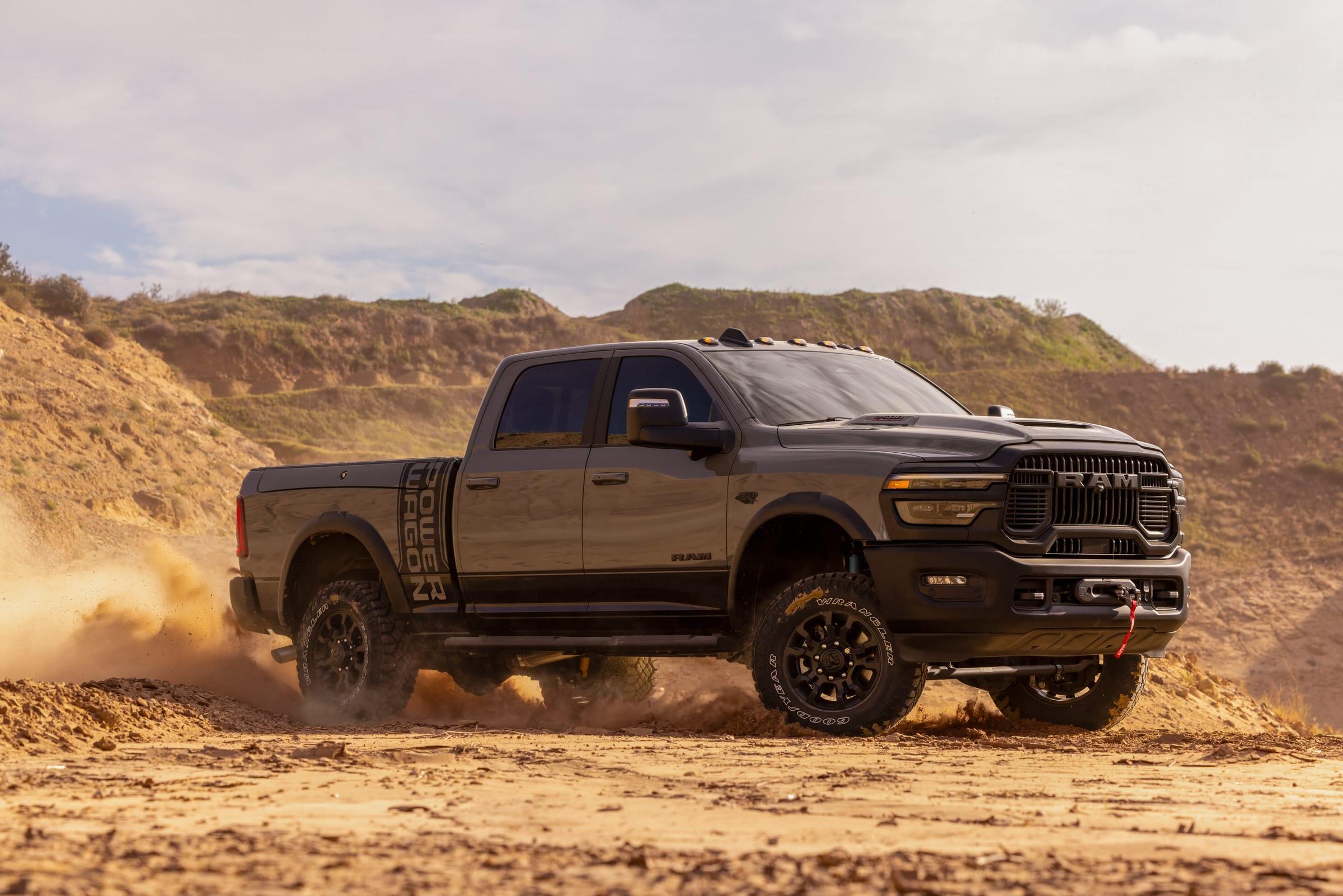
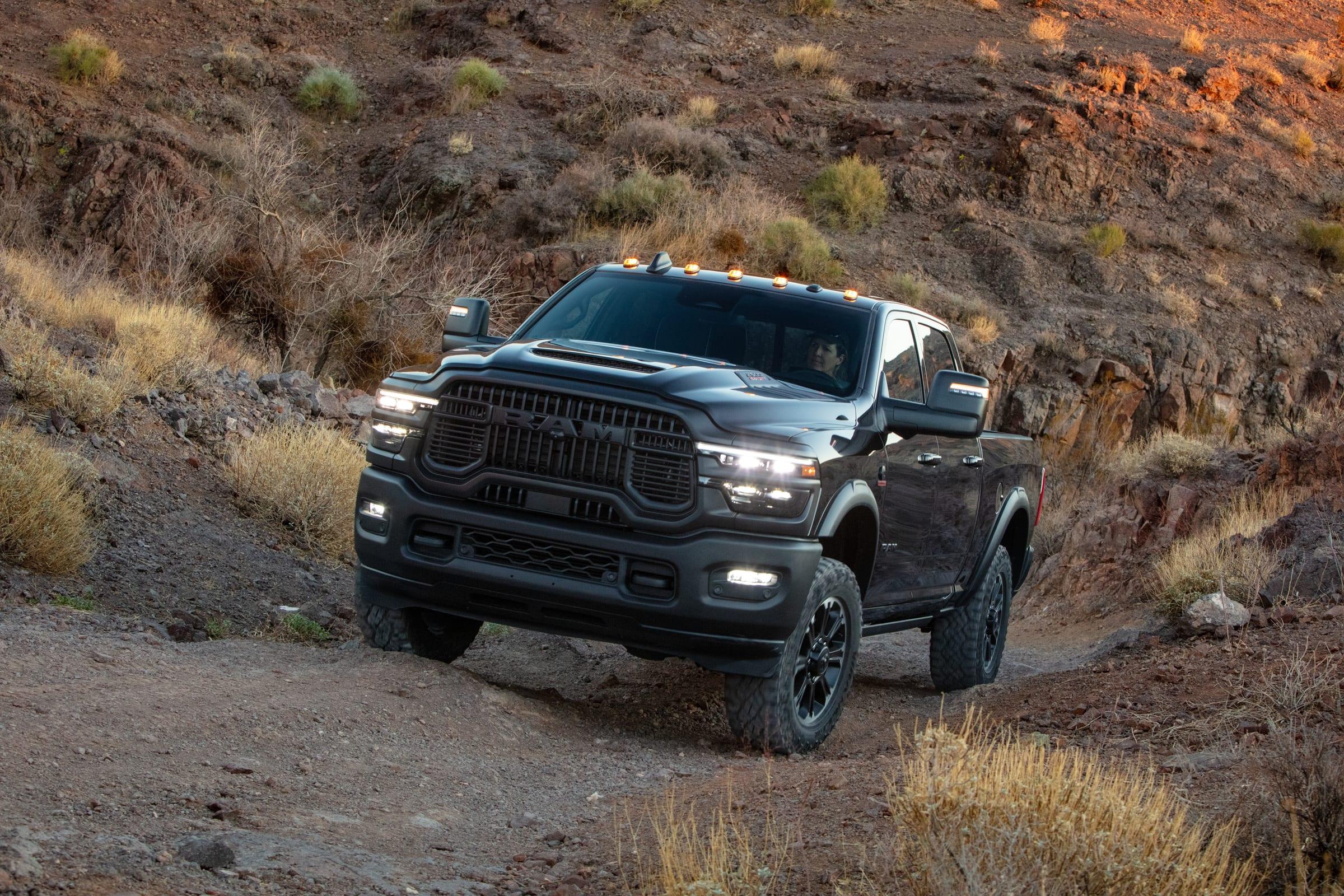
| Ram 2500 | 17,740 lbs (HEMI) or 20,000 lbs (Cummins), preliminary | Up to 4,580 lbs (HEMI with Payload Upgrade); 3,990 lbs (diesel) | Towing Technology Group ($1,595 to $2,395 by trim) |
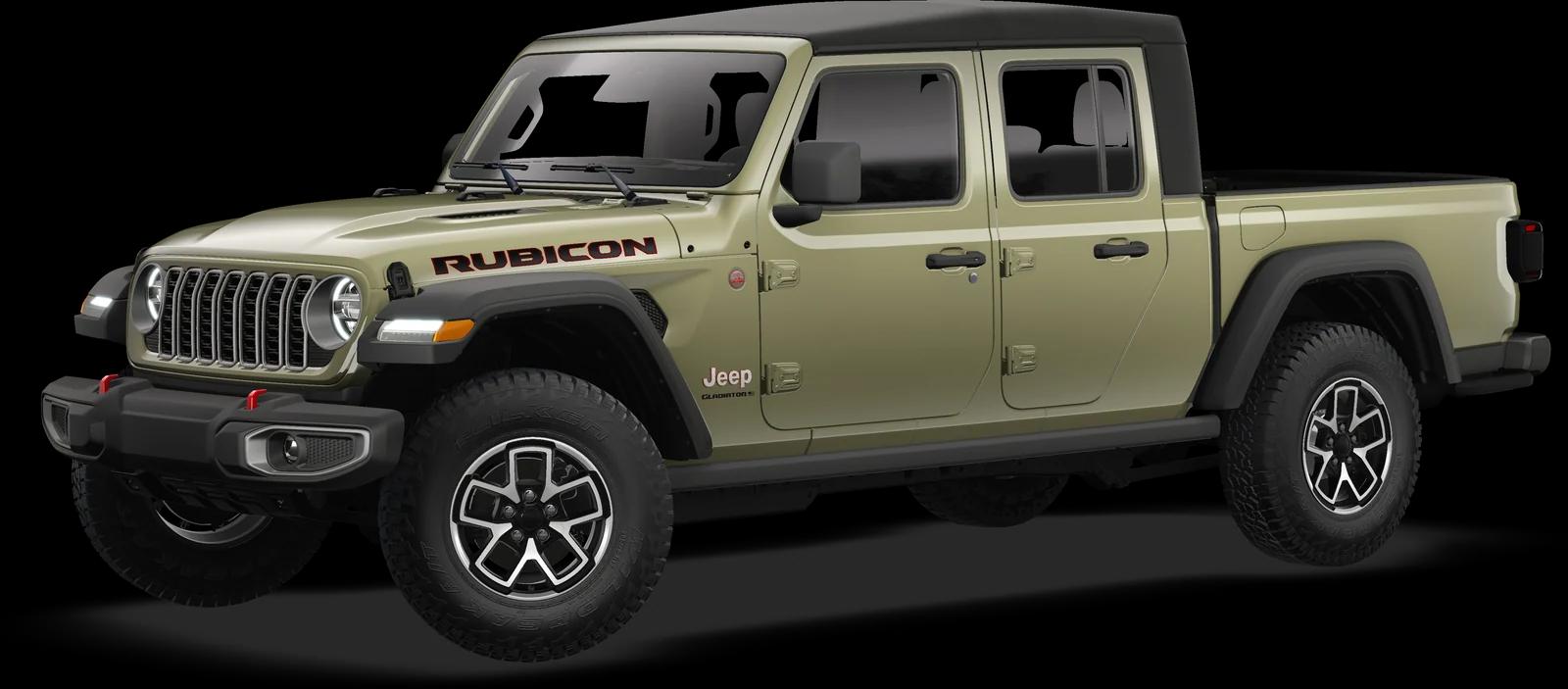
| Jeep Gladiator | Up to 7,700 lbs | Up to 1,720 lbs | Trailer Tow and Auxiliary Switch Group ($995) |
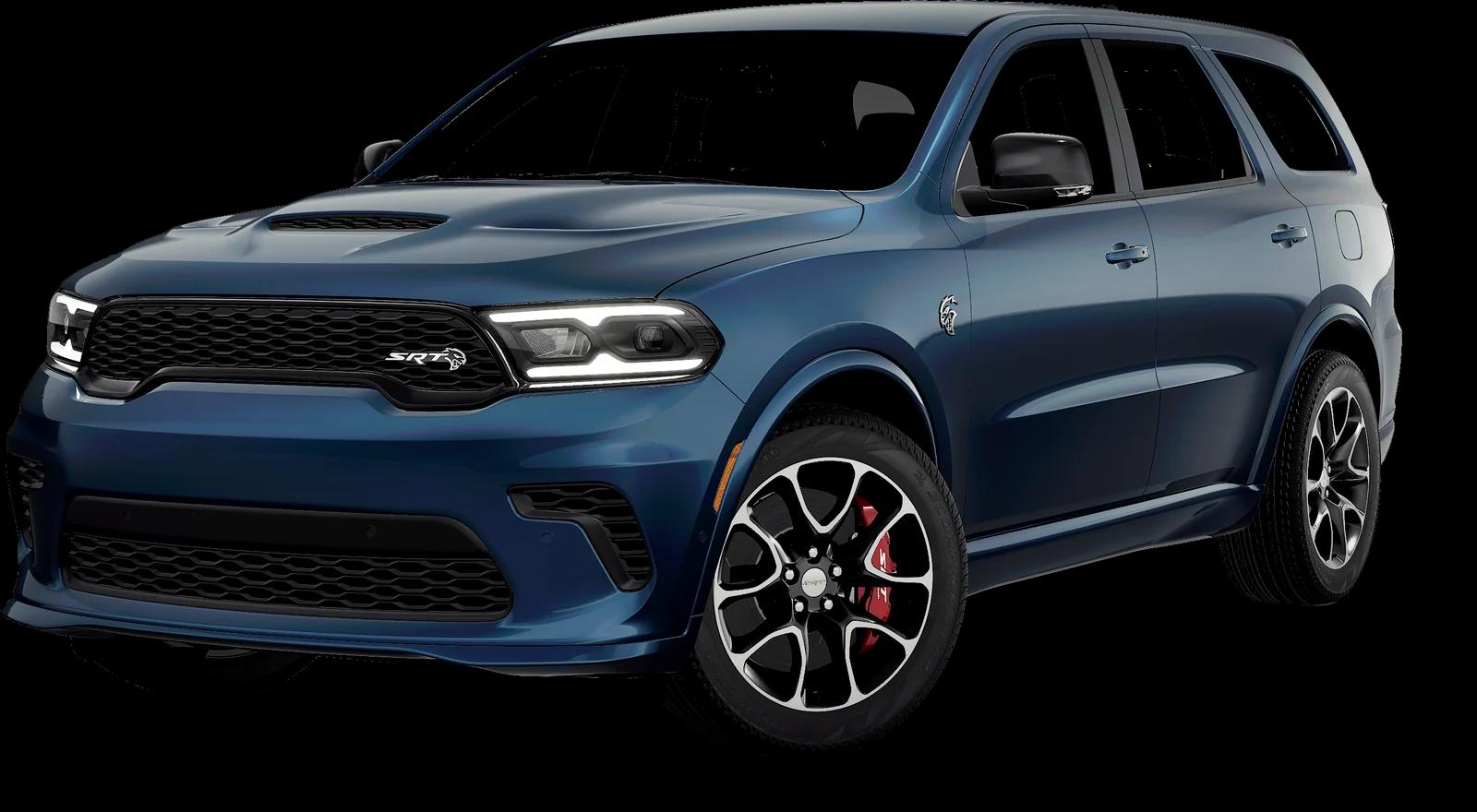
| Dodge Durango | 7,200 lbs; 8,700 lbs with Tow 'n Go | About 1,350 lbs (GT AWD HEMI) | Tow 'n Go Package ($6,295) |
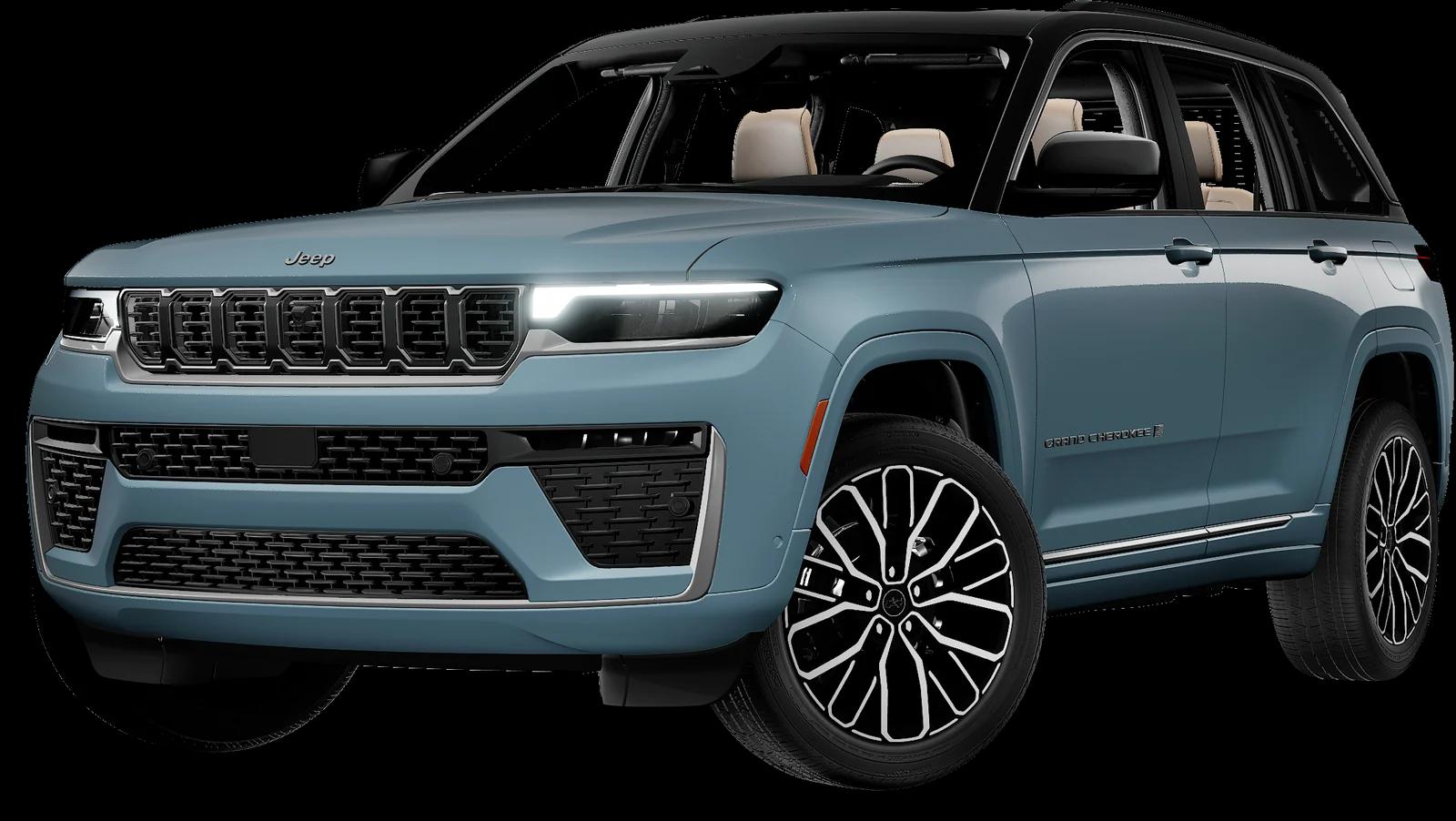
| Jeep Grand Cherokee | 6,200 lbs | 1,050 to 1,280 lbs | Trailer-Tow Package ($995) |
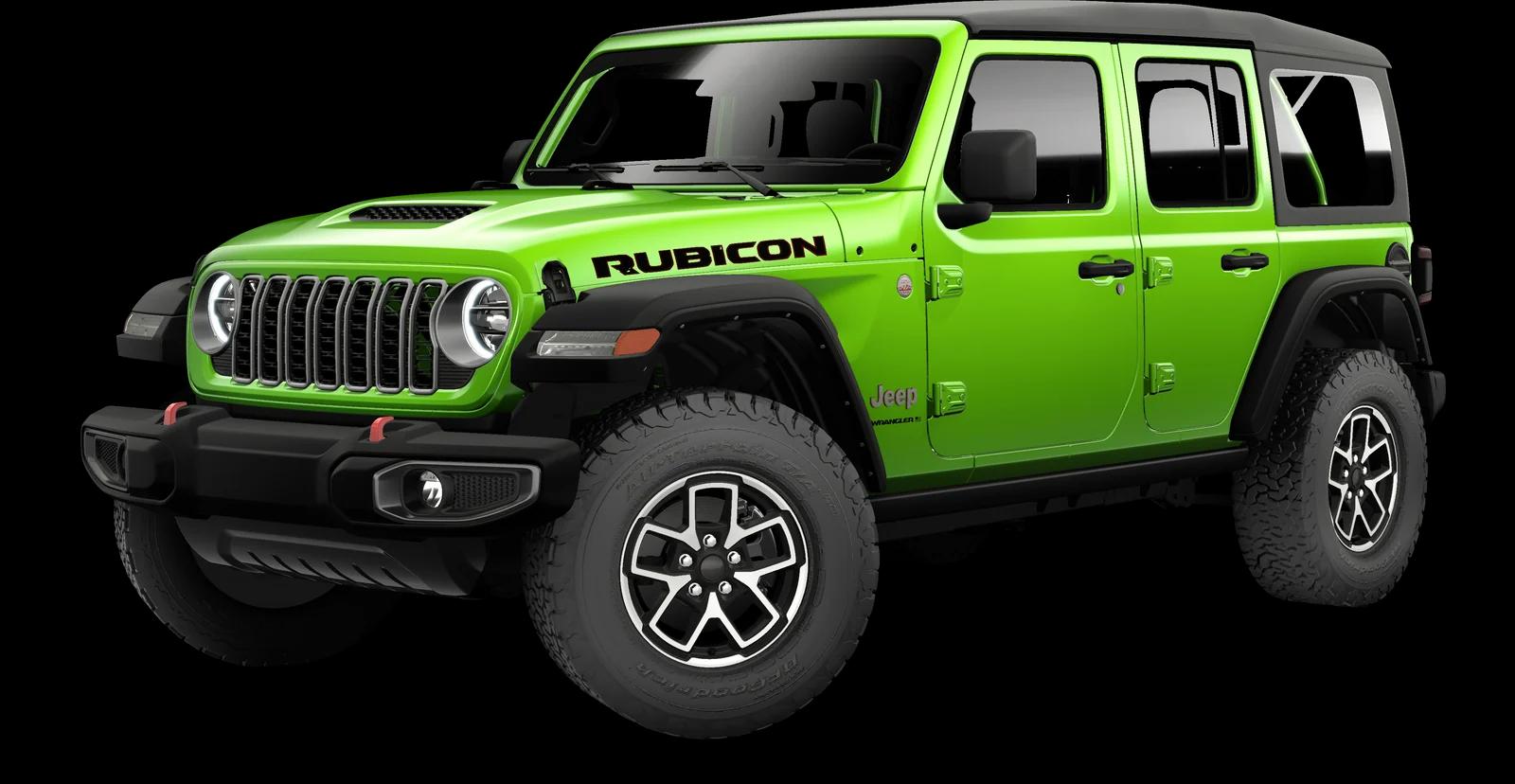
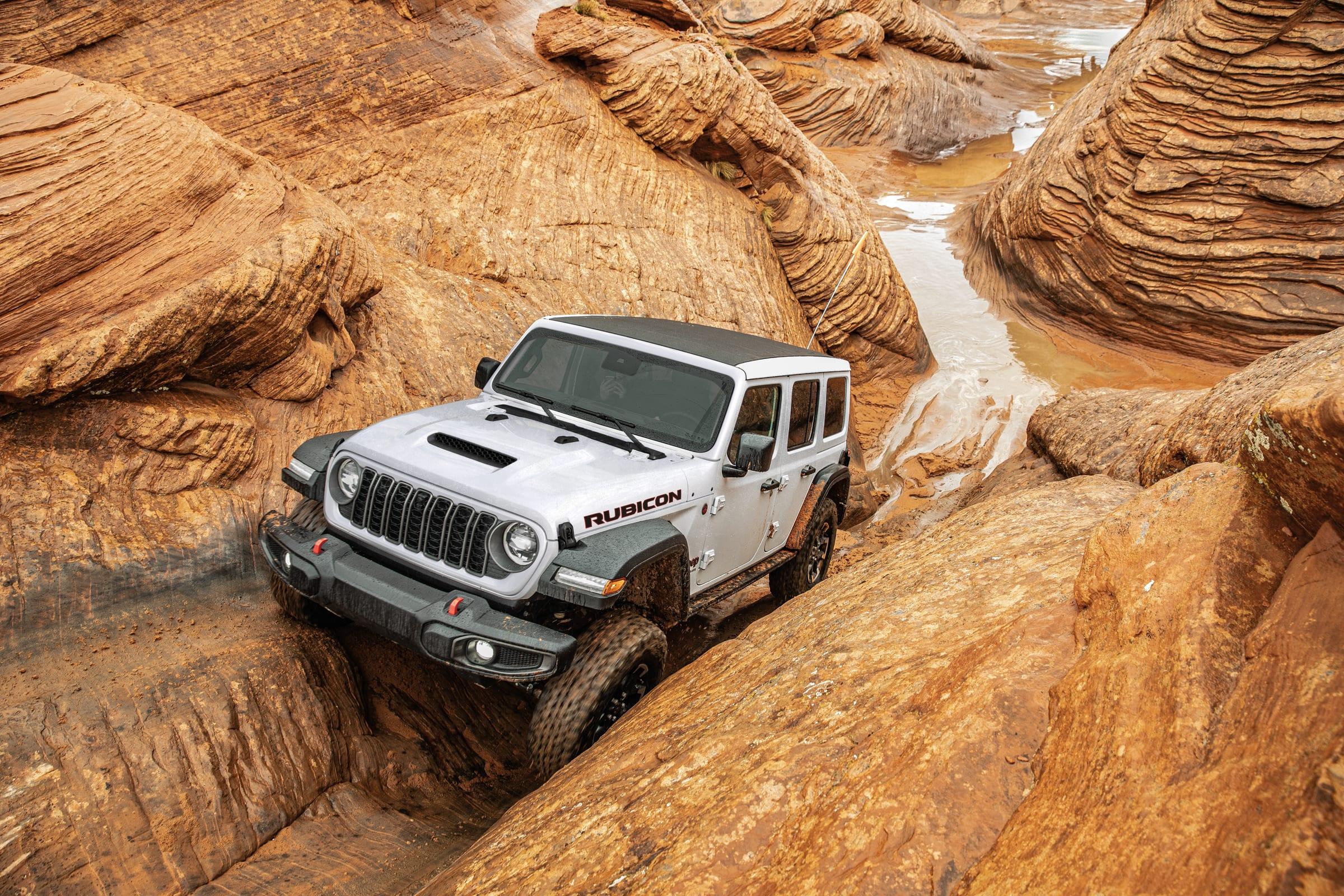
| Jeep Wrangler | 3,500 lbs; 5,000 lbs on a four-door Rubicon | Up to 1,562 lbs | No tow package listed |
Ram's 2500 ratings are preliminary, and its payload and tow figures depend on the exact configuration. Confirm them against the maker's current chart for the truck you want. The Ram 1500 range also varies by engine: the standard-output Hurricane six is rated at 11,530 pounds, the 5.7‑liter HEMI eTorque at 11,370 pounds, and the 3.6‑liter V6 at 8,100 pounds.
Matching the Vehicle to the River
For a typical drift boat on a single-axle trailer, the Ram 1500, the Gladiator and the Durango all have comfortable ratings. The Gladiator's 7,700‑pound rating applies to a Sport S with the 4.10 axle. Rubicon models are rated at 7,000 pounds, and Willys, Mojave and Rewind trims at 6,000. Its 60.3‑inch bed (with the tailgate closed) holds oars, coolers and dry bags, which is a useful trait on a fishing trip.
The Grand Cherokee is a reasonable fit for a lighter boat. Jeep's $995 Trailer-Tow Package includes a Class IV receiver hitch, a 7-pin and 4-pin wiring harness, heavy-duty engine cooling and rear load-leveling suspension. Its 6,200‑pound rating covers many boat-and-trailer combinations, but it leaves less room for a loaded raft trailer with a big frame.
For a travel trailer at a river campground, the Ram 1500 and the Durango give you more margin. For a heavy travel trailer or a toy hauler loaded with a boat, the Ram 2500 is the better tool. The Cummins High‑Output diesel is a $12,495 option on Tradesman and Big Horn trims.
The Wrangler suits a small raft trailer or a lightweight cataraft trailer, where its 3,500‑pound rating covers the load. Its short wheelbase of 96.8 inches on the two-door can make a trailer twitchy, and the four-door's 118.4‑inch wheelbase is steadier.
Steep Gravel Ramps and Wet Launches
Some of the best launches in the region are dirt or gravel slopes with a sharp drop at the bottom. Four-wheel drive matters. The Gladiator and Wrangler have it standard, and the Ram 1500 and 2500 offer it on most trims. The Durango has all-wheel drive on every trim, and the Grand Cherokee offers 4WD on most trims and makes it standard on Limited Reserve, Summit and Trailhawk.
Low range is a bonus on a steep ramp with a loaded trailer. The Gladiator's Command-Trac and Rock‑Trac systems have 2.72:1 and 4.0:1 low ranges. The Grand Cherokee Trailhawk has a two-speed transfer case with a 2.72:1 low range. The Ram 1500 Off‑Road Group adds an electronic-locking rear axle and skid plates, from $1,345 to $1,895 depending on trim.
Technique matters as much as hardware. Walk the ramp first if you can, stage your trailer before you back down, and keep the tow vehicle's wheels out of the water as much as possible. If your trailer has brakes, rinse and inspect them after a launch. When the ramp is steep, a second person to spot makes the job safer.
Cameras, Mirrors and Backing Aids
Backing a long trailer down a narrow ramp is the moment when camera tech pays for itself. On the Ram 1500, ParkView rear camera and front and rear ParkSense with automatic reverse stop come standard on the Tradesman. The Towing Technology Group ($595) adds trailer hitch line-up assist, trailer reverse guidance and a 12-way and 1-way trailer connector. Trailer Tow Group II adds a brake controller, trailer reverse steering control, trailer tire pressure monitoring and trailer light check.
The Ram 2500's Towing Technology Group includes a surround-view camera, a center stop lamp with a cargo-view camera, trailer reverse guidance and trailer tire pressure monitoring. Ram also lists a Tow‑Mode Digital Rear‑View Mirror Package ($1,135) with a wired tow-mode camera, and a Tow Technology Plus Group ($1,490) with side cameras and trailer reverse steering control.
Jeep's Trailer-Hitch Zoom appears in the Gladiator's tow group and the Grand Cherokee's Trailer-Tow Package. The Durango's Tow 'n Go Package adds blind spot monitoring with trailer detection and a trailer brake controller. Choose the setup that gives you the clearest view of the hitch and the ramp.
Shuttles and a Second Vehicle
Most river floats need a shuttle: one vehicle at the put-in, one at the takeout, and someone to move the trailer in between. Some rivers have commercial shuttle services, and some have local rules about where you can leave a trailer. Ask the managing agency or a local shop.
That is where a second vehicle pays off. A family with a Ram 2500 that tows the boat could use a Grand Cherokee or a Wrangler as the chase vehicle, so nobody has to drive an empty heavy truck back up a gravel road. Pick a chase vehicle with good clearance and a full-size spare. The Grand Cherokee's Trailer-Tow Package lists a full-size spare tire, and the Ram 1500 Off‑Road Group does too.
The Short Version
For most drift-boat and raft trailers, a Ram 1500 4x4 or a Gladiator gives you enough rating with a camera package to match. Step up to the Ram 2500 for heavy campers and loaded toy haulers. The Durango and Grand Cherokee fit lighter rigs and families who also want a comfortable daily driver. The Wrangler is best as a chase vehicle or for very light loads.
Always check the exact rating for your configuration, add up the real weight of your gear, and confirm option prices with a dealer.