Explainer
Do Jeep, Ram, Dodge and Chrysler Engines Need Premium? By Year
Which 2015-2027 Jeep, Ram, Dodge and Chrysler engines require or only recommend premium, which took E85, and what the manuals say about E15 and diesel.
By the Northwest CDJR editorsUpdated November 8, 20267 min read
In this guide · 9 sections
Short version: most of these engines run fine on regular, a smaller group lists premium as a recommendation, and a specific set of performance engines requires 91 octane. In the research database's fuel table (530 rows, 30 nameplates, 244 model years from 2015 through 2027), exactly 72 rows are classed as premium unleaded, spread across 45 model years and 10 nameplates. Everything else is regular or mid-grade, plus the diesels.
"Needs premium" and "does better on premium" are different statements in these manuals, so this page keeps them in separate tables. It also covers the other fuel questions people search: HEMI octane, flex-fuel (E85) years, E15, and what the diesel rows say.
Engines that require 91 octane
These rows say 91 or higher is required, not just suggested. The model years are the ones that have a row in the data.
| Engine | Vehicle and years with a row |
|---|---|
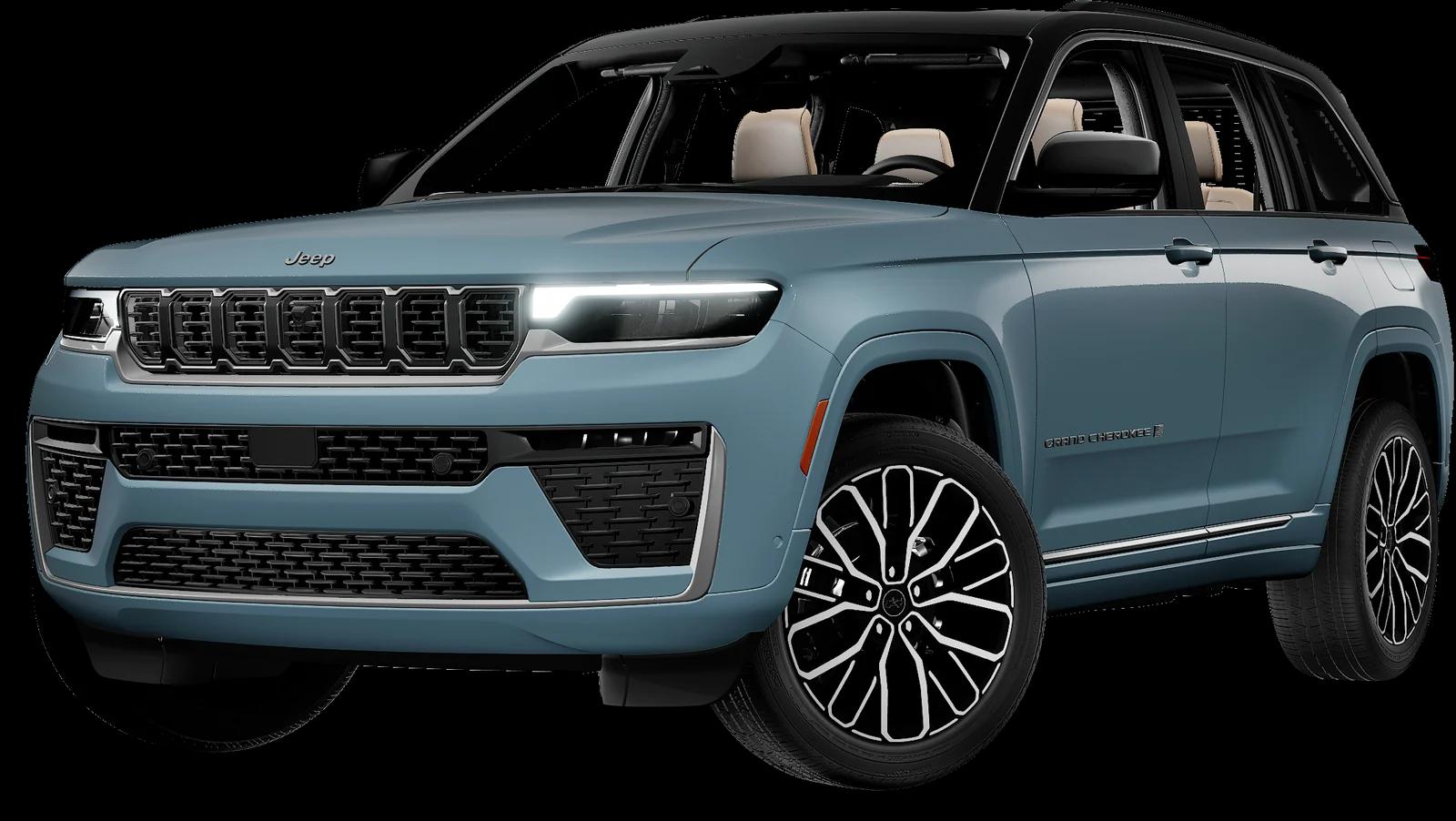
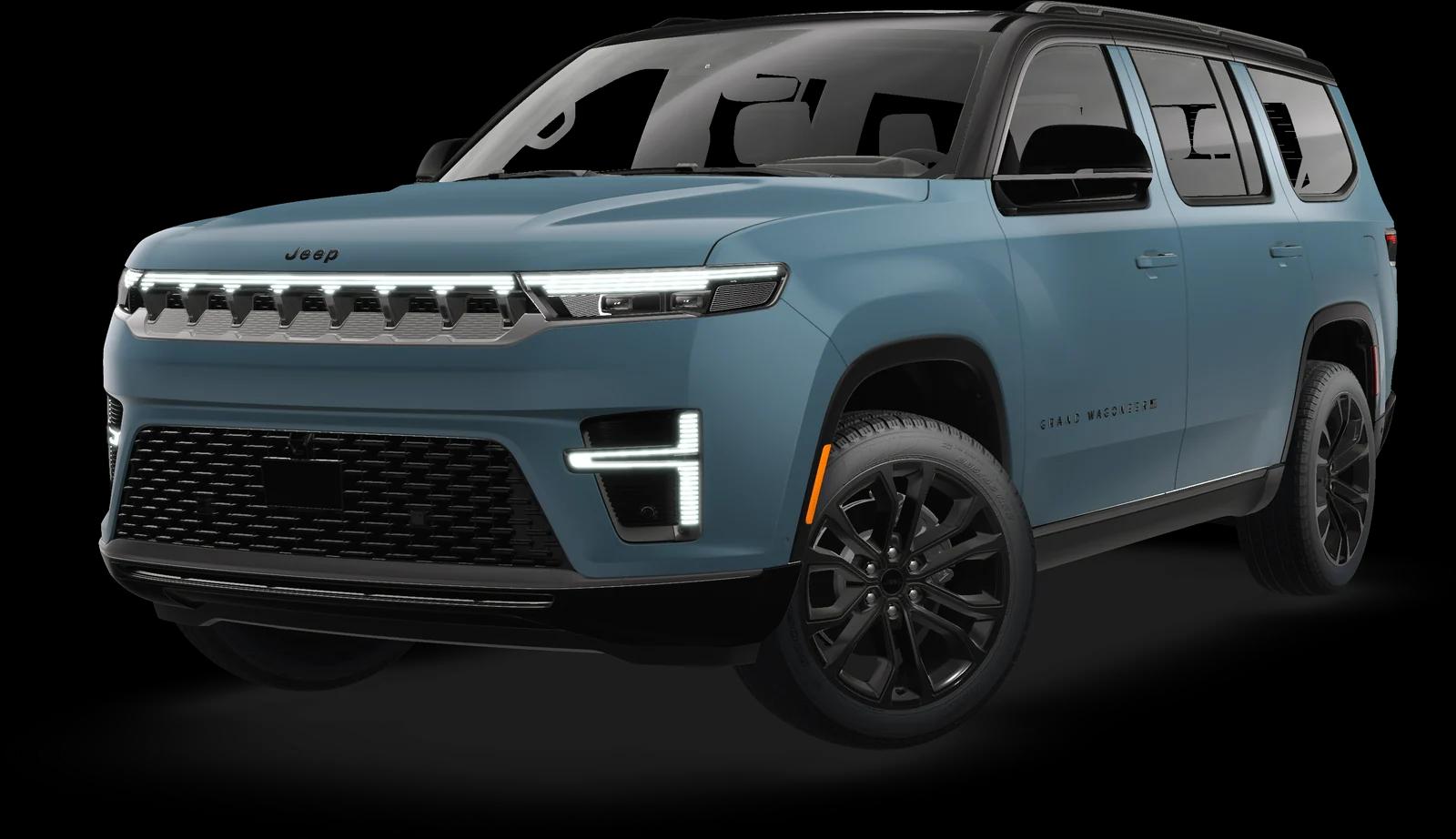
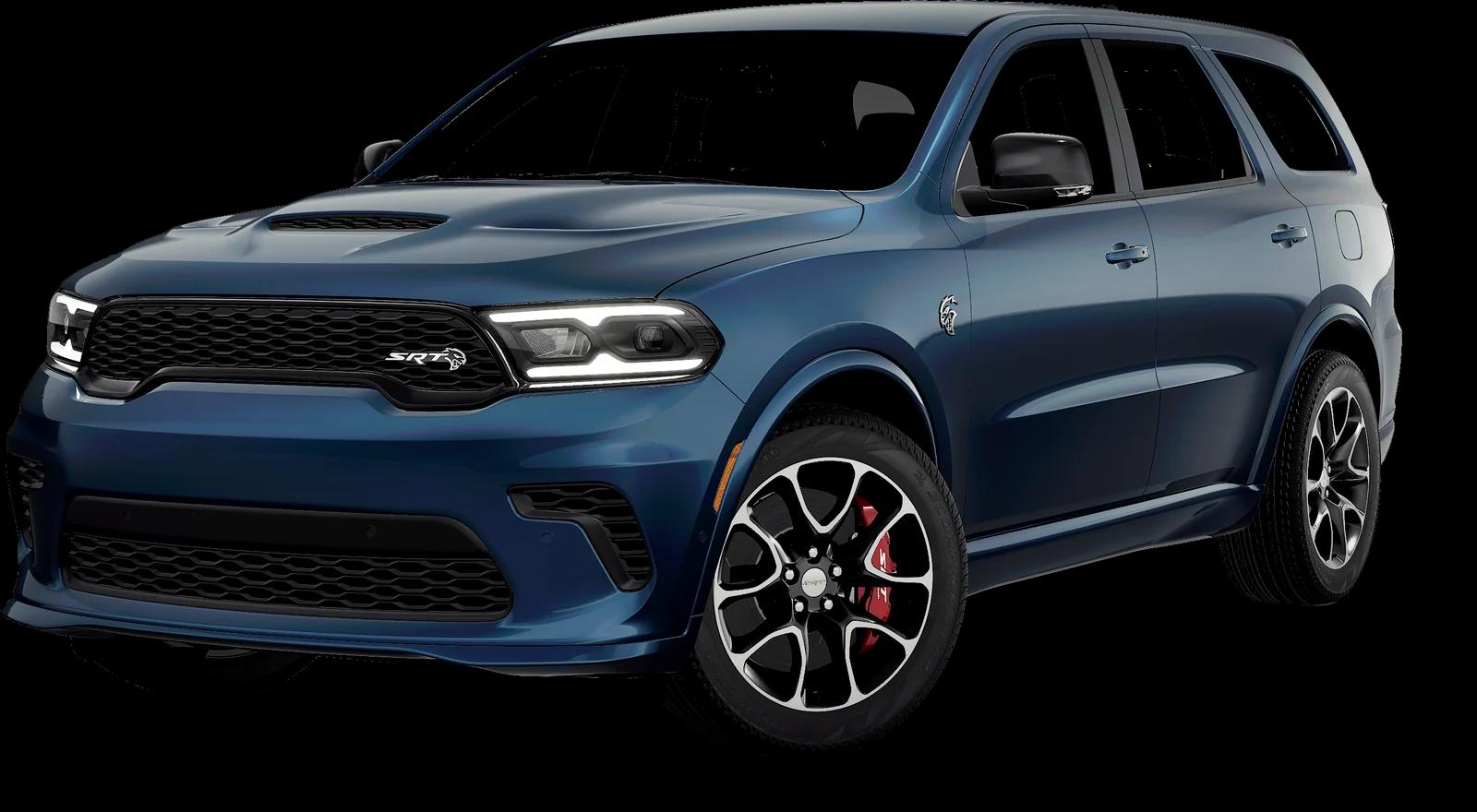
| 6.4L V8 (392) | Wrangler 2024–2027; Challenger 2015–2020 (6.4L); Charger 2015–2020 (6.4L); Durango SRT 2018–2019; Grand Cherokee SRT 2016–2019; Grand Wagoneer 2022–2024; Wagoneer 2022–2024 |
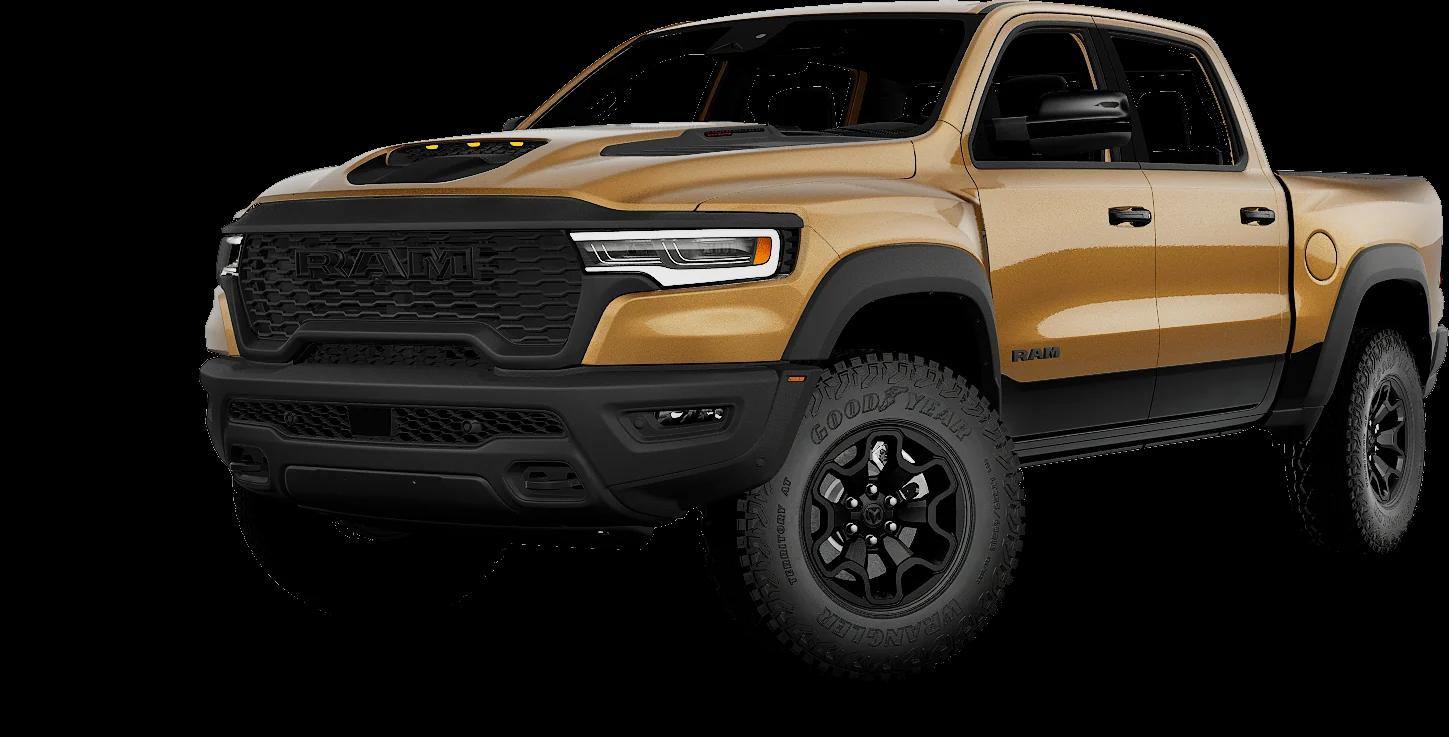
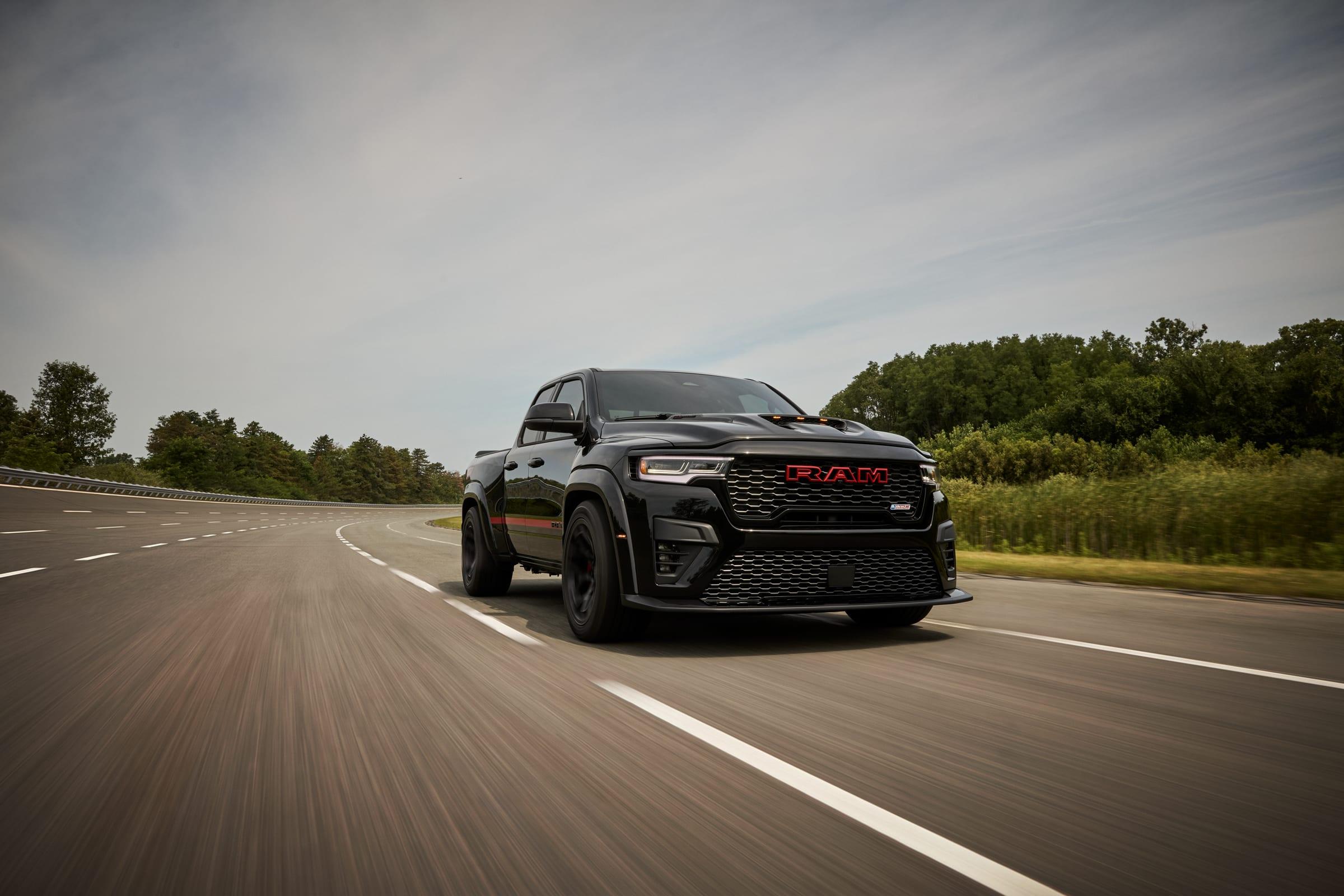
| 6.2L supercharged V8 | Challenger SRT 2015–2020; Charger SRT 2015–2020; Grand Cherokee SRT 2018–2019; Ram 1500 2024 (the 6.2L) |
| 5.7L V8, manual transmission | Challenger, 2015–2023 |
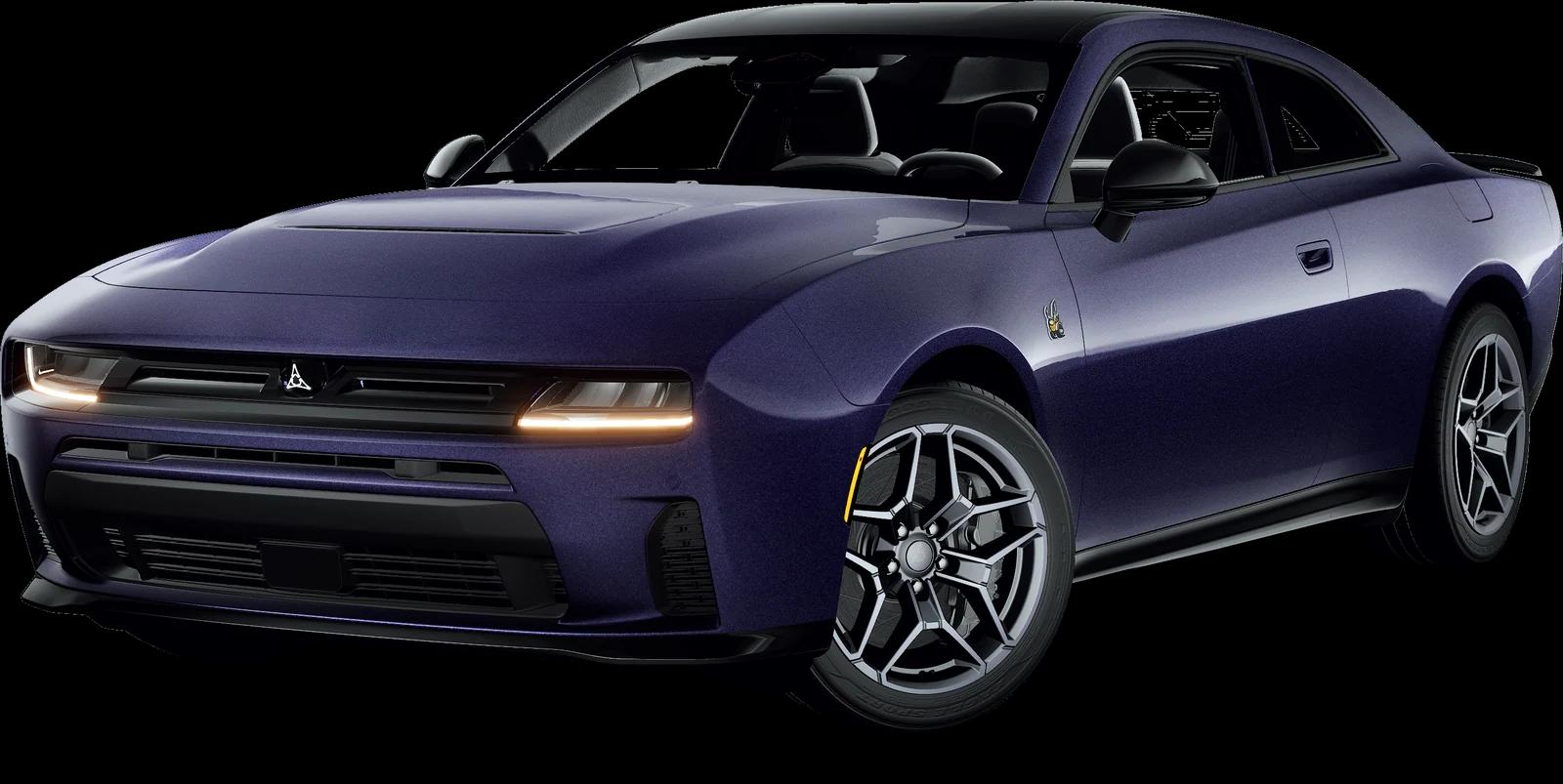
| 3.0L high-output six | Charger 2026–2027; Ram 1500 2025–2027; Grand Wagoneer 2023–2025; Wagoneer 2022–2025 |
| 6.2L and 6.4L V8s | Durango 2026–2027 |
| 1.6L four-cylinder | Cherokee 2027 |
| 8.4L V10 | Viper 2015–2017 |
Three details are worth reading in context:
- The Challenger's manual-transmission 5.7L. Every Challenger year from 2015 through 2023 lists 91 or higher as required for the 5.7L with a manual transmission, while the automatic-transmission 5.7L is listed as regular. See the 2019 Challenger page.
- Ram 1500 6.2L. The 2024 row adds that octane-boosting additives are not permitted in the supercharged engine. See the 2024 Ram 1500 page.
- Cherokee 1.6L. The 2026 row recommends 91 or higher; the 2027 row says 91 or higher is required, citing the engine table. The data does not explain the change, so check the 2027 Cherokee page against 2026.
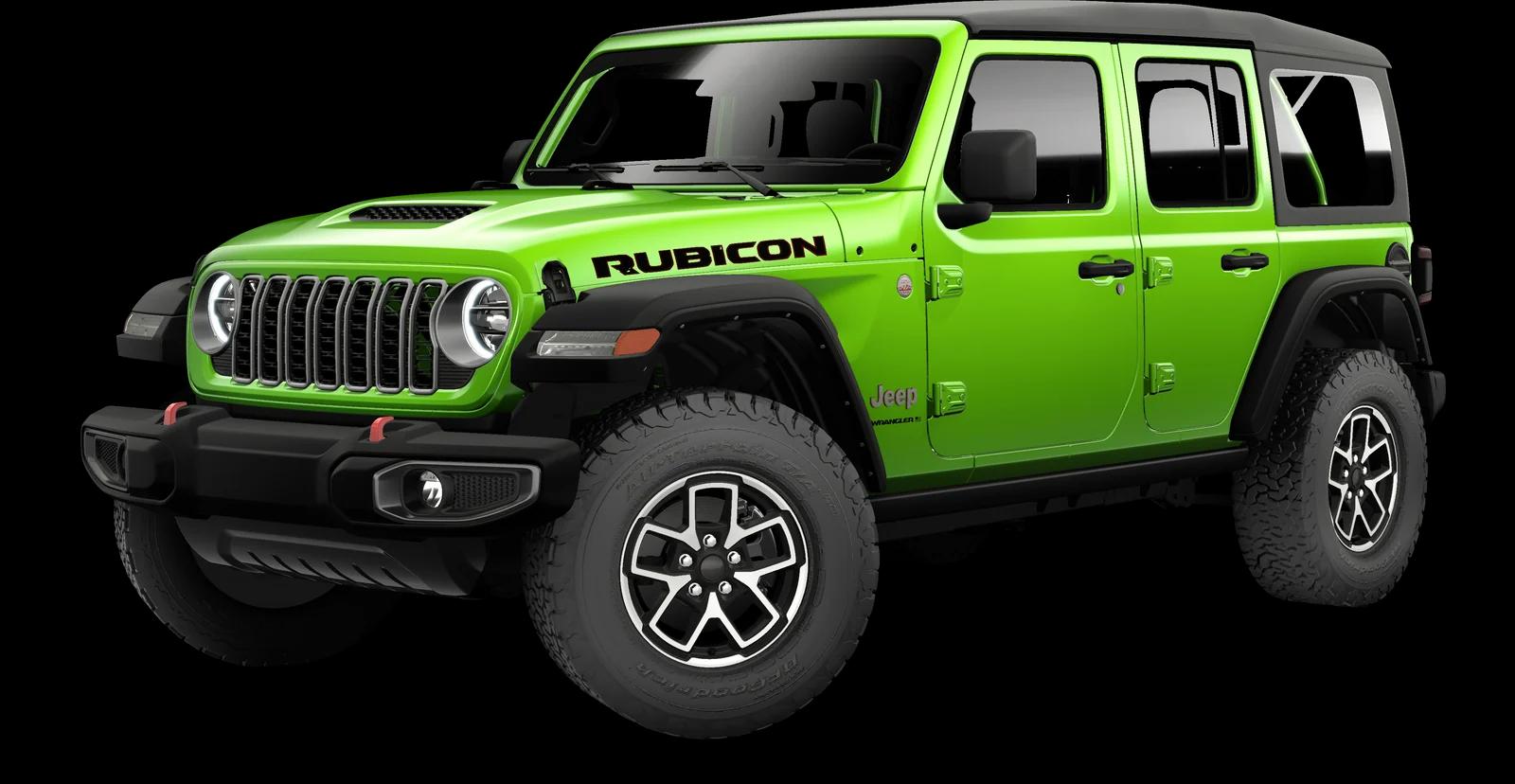
The Wrangler's 6.4L is the only Wrangler engine with a premium requirement, per its 2024 through 2027 rows. The 2024 Wrangler page shows all three of that year's gasoline engines side by side.
Engines where premium is recommended, not required
For these, the manual lists regular as the base fuel and says a higher grade performs better. The rows mostly add that the gain shows most in hot weather or under load such as towing.
| Engine | Vehicles and years | What the rows say |
|---|---|---|
| 2.0L turbo four | Wrangler 2018, 2019, 2021, 2022, 2025–2027 | 91 recommended; 2020, 2023 and 2024 rows give no recommendation |
| 2.0L turbo four | Grand Cherokee 2022–2024 and 2026–2027; 2.0L hybrid 2024–2026 | 91 or higher recommended |
| 2.0L turbo four | Cherokee 2019–2021 and 2023; Compass 2023–2025 and 2027 | 91 or higher recommended |
| 2.0L and 1.3L | Hornet 2023–2025 | 91 or higher recommended |
| 1.4L and 1.3L turbo | Renegade 2015–2023; Dart (1.4L) 2015–2016 | 91 recommended (the Dart rows and the Renegade 2015 and 2016 rows also say 87 is acceptable) |
| 3.0L standard output six | Grand Wagoneer 2023–2025 and 2027; Wagoneer 2024–2025; Charger 2026–2027 | 91 or higher recommended |
| 3.0L standard output six | Ram 1500 2025 and 2027 | 91 or higher recommended |
The Ram 1500 3.0L standard output has a conflict worth flagging: the 2025 and 2027 rows recommend 91 or higher, while the 2026 row says higher octane gives no benefit. The Grand Wagoneer shows a similar wobble: its 2026 row says premium gives no benefit, with recommendations returning in 2027. When rows disagree like this, we do not pick a winner; read the page for your own year, such as the 2025 Ram 1500 or the 2024 Grand Wagoneer.
HEMI octane: 87 works, 89 is the recommendation
The 5.7L HEMI is the engine behind most "what octane does my HEMI take" searches. Across the rows, the pattern is consistent: base fuel regular (87), with 89 recommended for best performance and fuel economy and an "87 to 89" range called acceptable.
| Vehicle | Years | 5.7L row |
|---|---|---|
| Ram 1500 | 2015–2024 | 87 base, 89 recommended |
| Ram 1500 | 2026–2027 | Listed as 89 mid-grade, "89 recommended" |
| Ram 1500 Classic | 2019–2024 | 87 base, 89 recommended |
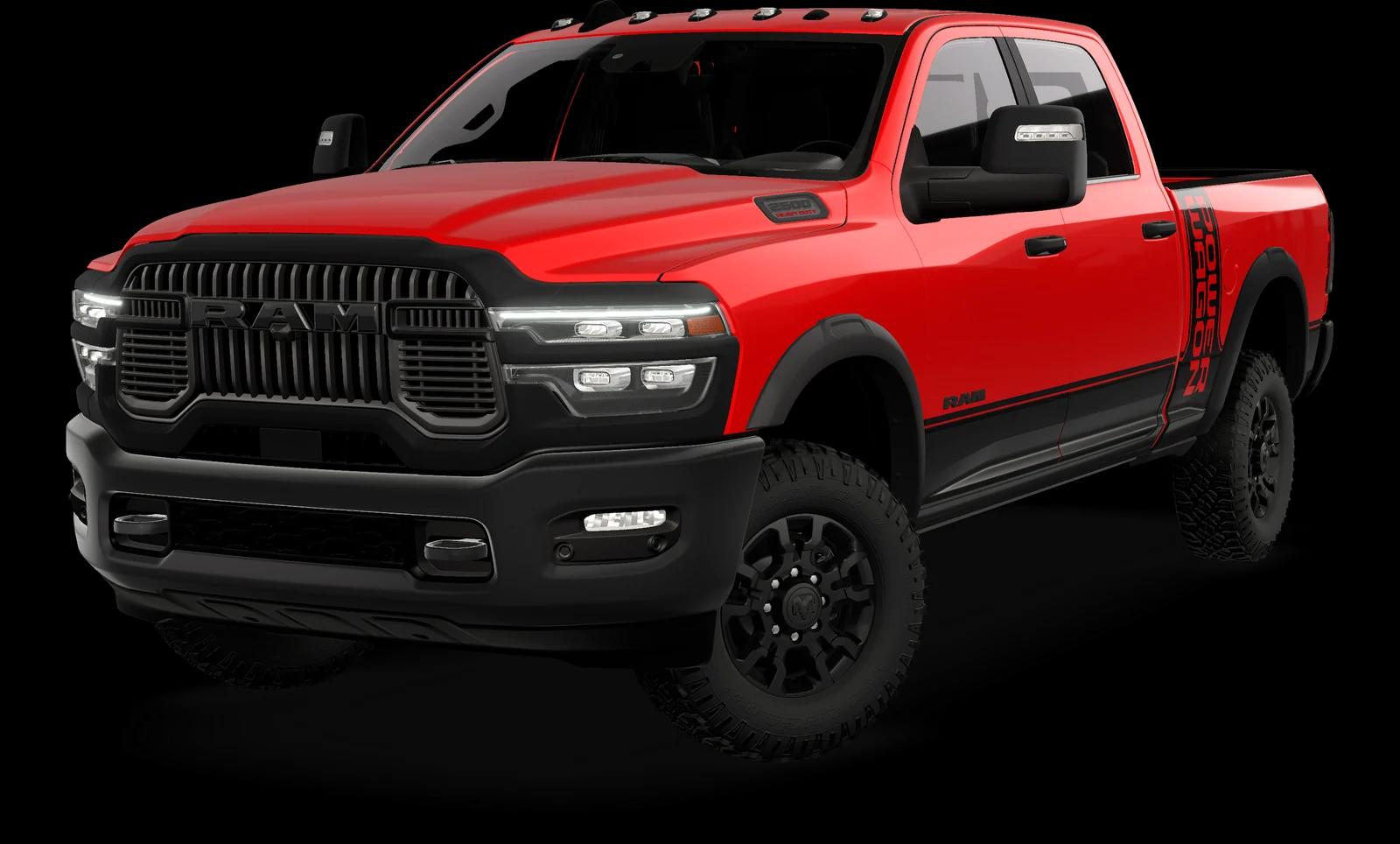
| Ram 2500 and 3500 (5.7L and 6.4L) | 2015–2019 | 87 base, 89 recommended |
| Ram 2500 and 3500 6.4L | 2020–2027 | Regular, no octane recommendation |
| Durango | 2015–2025 | 87 base, 89 recommended |
| Durango | 2026–2027 | 89 mid-grade listed |
| Charger, 300 | 2015–2023 | 87 base, 89 recommended |
| Challenger (automatic) | 2015–2023 | 87 base, 89 recommended |
| Grand Cherokee | 2015–2024 | 87 base, 89 recommended |
The Ram 1500 has no 5.7L row for 2025 in the research data. The 2027 Durango row adds that the manual says the engine is designed for 89 octane. The Ram 2500 and 3500 gas 6.4L, meanwhile, drops its 89 recommendation after 2019; see the 2022 Ram 2500 page.
Does a Jeep Wrangler need premium?
Not unless it is the 6.4L. The 3.6L rows from 2015 through 2027 are all regular, and most carry a plain note that premium gives no benefit (the 2020, 2023 and 2024 rows are silent on it). The 2.0L turbo is the one with a premium recommendation, and the Gladiator is simpler: every 3.6L Gladiator row from 2020 through 2027 says premium gives no benefit, and the diesel is separate. The 2018 Wrangler page holds a 3.6L JK, a 3.6L JL and the new 2.0L in one year, which makes it a useful place to see the difference.
Flex-fuel years: can I use E85 in my Ram?
Only if the vehicle is a flex-fuel model. The data flags 37 rows as flex fuel, across 13 nameplates, all in model years 2015 through 2020:
| Vehicle | Flex-fuel years in the data |
|---|---|
| Ram 1500 (3.6L) | 2015–2018; Ram 1500 Classic 2019 |
| Charger (3.6L) | 2015–2019 |
| Chrysler 300 (3.6L) | 2016–2019 |
| Grand Caravan (3.6L) | 2016–2019 |
| Journey (3.6L) | 2015–2019 |
| Chrysler 200 (2.4L and 3.6L) | 2016–2017 |
| Cherokee (2.4L) | 2016–2018 |
| Renegade (2.4L) | 2018–2020 |
| Dart (2.0L), Town and Country, Durango, Grand Cherokee | one year each, 2016, 2016, 2015, 2015 |
The rows repeat a rule: only vehicles with an E-85 label on the fuel door or a yellow fuel cap can use it. The 5.7L HEMI is not on that list. Several Ram 1500 and Durango HEMI rows explicitly say not to use E85. The 2019 Charger row also notes the driving range drops about 30 percent on E85, so expect fewer miles per tank.
The data flags no flex-fuel row for 2021 or later, and many newer rows say in plain words that E85 is not allowed.
E15 and E10
This changed during the period. Of the 42 non-diesel rows for 2015, 38 name 10 percent ethanol (E10) as a limit and 3 mention a 15 percent figure, two of those in rows that also name the 10 percent limit. By 2016, 39 of 50 rows name up to 15 percent (E15). From 2021 through 2027, every one of the 220 non-diesel rows names E15 as the maximum. Some 2015 Ram rows contradict themselves: the maintenance table lists 0 to 15 percent ethanol, while the fuel text says to avoid more than 10. If you own a 2015 vehicle, treat E10 as the safe ceiling unless your year page says otherwise, such as the 2015 Ram 1500 page.
Diesel notes
Diesel rows number 47 across 45 model years, all on six nameplates: Wrangler, Gladiator, Ram 1500, 2500, 3500 and Chassis Cab. Every one lists ultra-low-sulfur diesel, and the rows that give a sulfur limit say 15 ppm. Biodiesel limits vary: the Ram 1500 3.0L rows say up to B5 (B6 to B20 only where a state mandates it, used within 30 days). The 2500 and 3500 rows say up to B5 generally and up to B20 on pickups with B20 capability. For cold starts, the Ram rows mention climatized fuel or No. 1 diesel below 20 F; the 2021 Gladiator row says No. 1 ULSD only in extended cold of -10 F. See the 2021 Gladiator page.
A note on long Northwest hauls
Before a long Northwest haul, look up your engine's row, because the table it falls in decides how much a fuel stop matters. If your engine only recommends premium, the rows list regular 87 as the base fuel; if it requires premium, build the 91-octane stop into the route. Check your year before you leave.
How to check your own vehicle
The VIN decoder identifies the engine, and the spec explorer lists the fuel rows for the model year. For tow ratings that interact with these engines, see the towing page. Pacifica and Voyager owners have the easiest answer: all 26 rows (Pacifica 2017-2027, Voyager 2020-2026), hybrid included, list regular 87 with E15 as the ethanol limit, and 23 of them add that premium gives no benefit. The 2025 Pacifica page is one example.