Explainer
Wind and Long Distances on I-80 and I-90 Across Wyoming and Montana
Crosswinds, 300-mile gaps and campers behind you: how height, weight, tank size and driver aids differ on the Ram 1500, Jeep SUVs, Durango and Pacifica.
By the Northwest CDJR editorsUpdated November 6, 20266 min read
Anyone who has driven I‑80 over the Laramie Range or along the Wyoming plateau knows the feeling: the steering wheel gets light, a gust shoves the whole vehicle sideways, and the next fuel stop is a long way off. I‑90 across Montana and the northeast corner of Wyoming is calmer in some stretches, but the distances between Billings, Bozeman, Missoula and the smaller towns in between are just as real.
This guide looks at two things that decide how a vehicle feels on those roads: how much it catches the wind, and how far it goes before you need to stop. For closures, wind advisories and vehicle restrictions, check WYDOT in Wyoming and MDT in Montana before you leave. Those agencies set the rules, and conditions change by the hour.
Why Some Vehicles Feel the Wind More
A crosswind pushes on the side of your vehicle, and the push grows with the area it can act on. Mass is what holds you in your lane. So the vehicles that feel gusts most are the taller, lighter ones. That is general physics, not a brand trait, and the published dimensions tell you where each model sits.
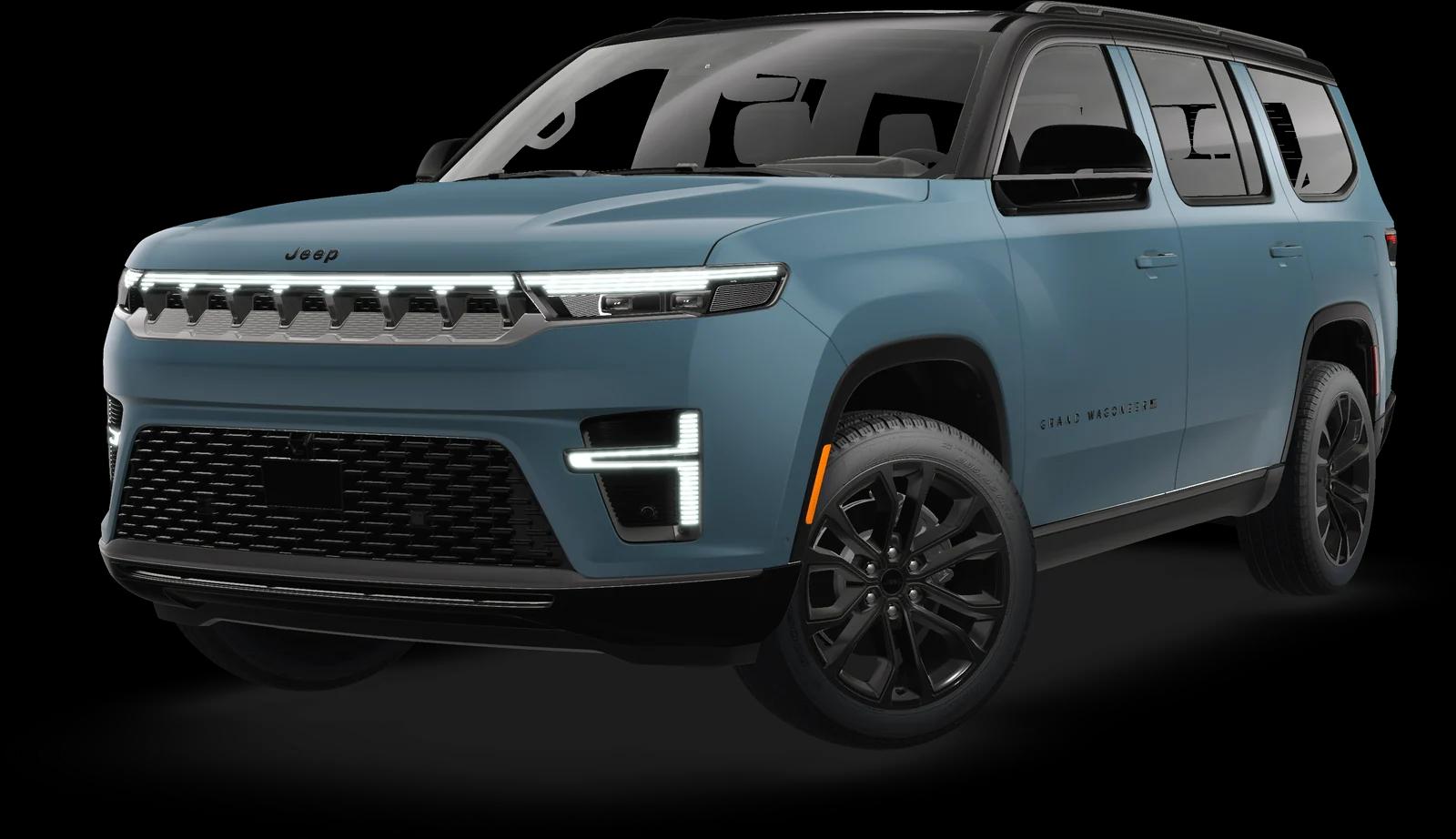
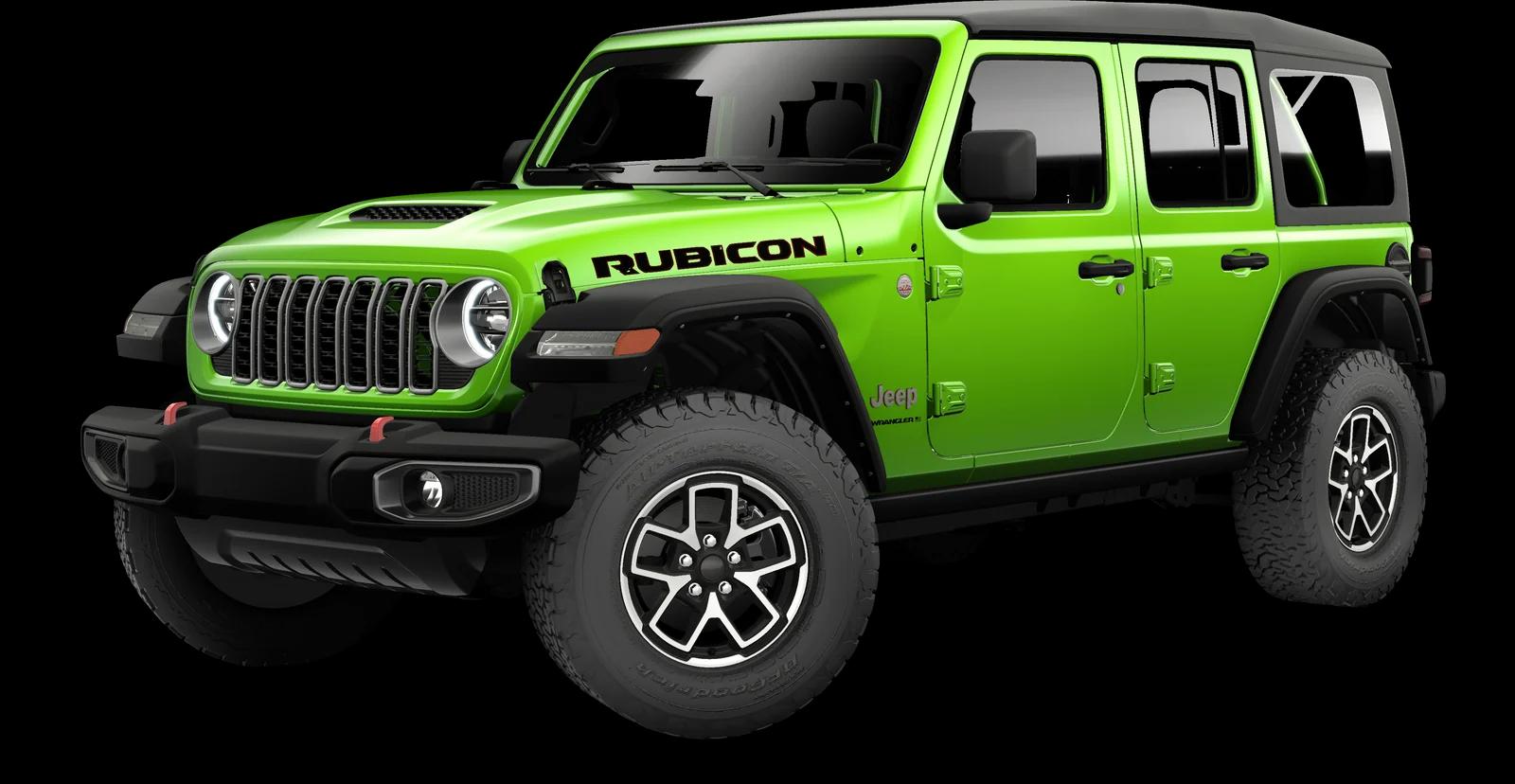
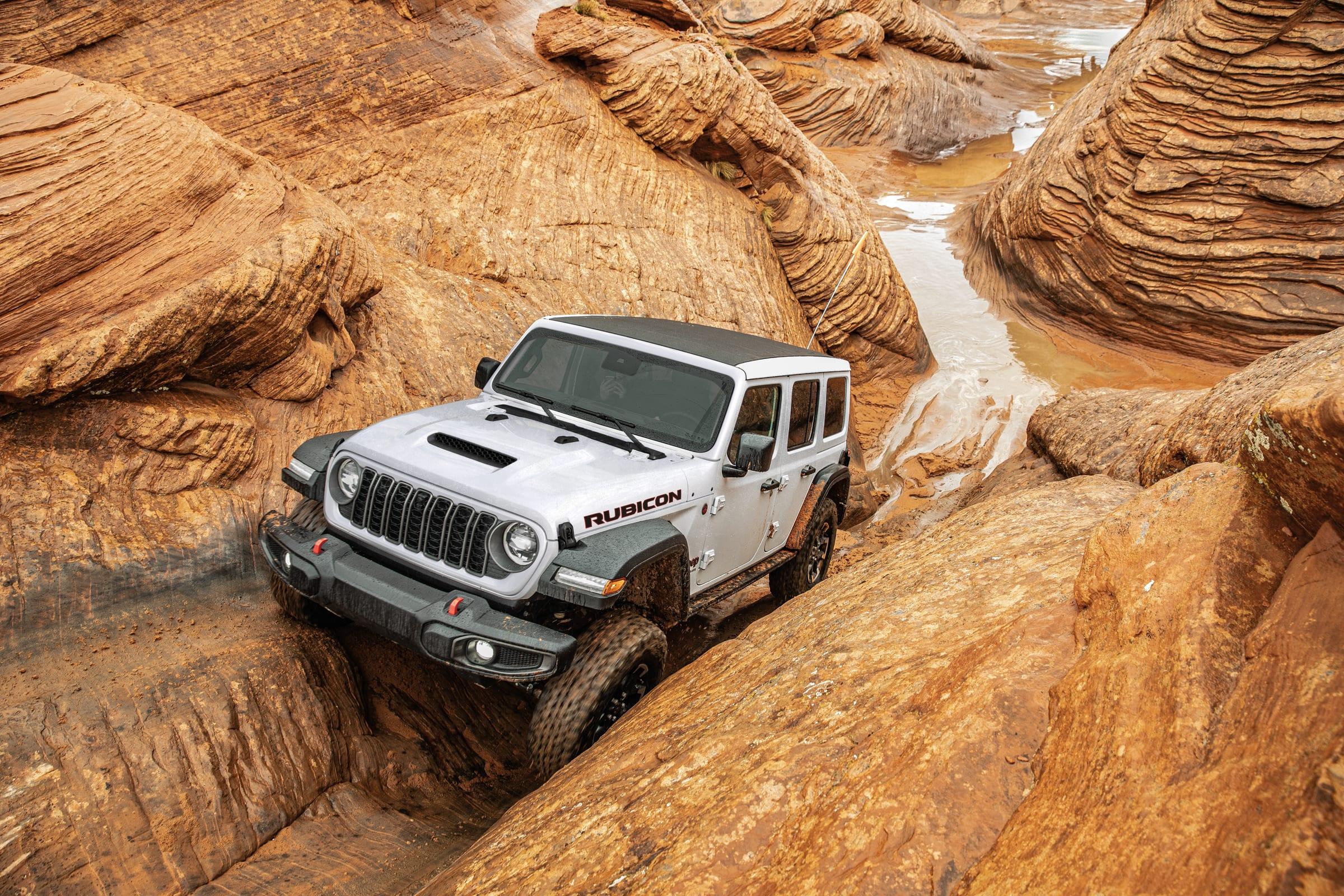
The Jeep Grand Wagoneer is the tallest SUV on this list at 79.8 inches, but it is also heavy, with a curb weight of 5,730 to 6,444 pounds depending on body and drivetrain. The Wrangler stands 73.6 inches tall with a boxy profile, and its curb weight runs from about 4,003 to 5,283 pounds. A four-door with the V8 carries far more mass than a two-door with a manual gearbox, and the heavier build will usually feel steadier.
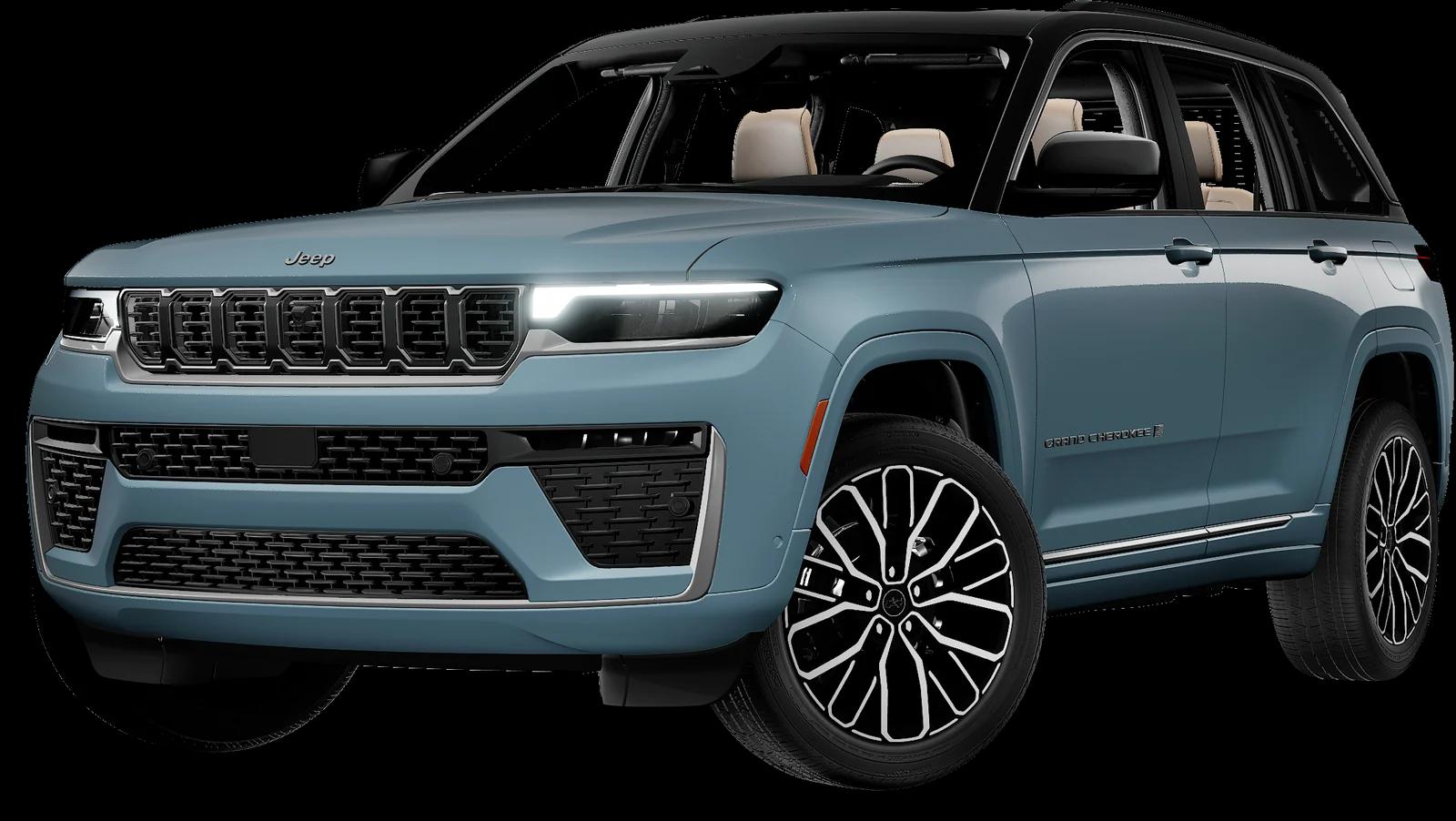
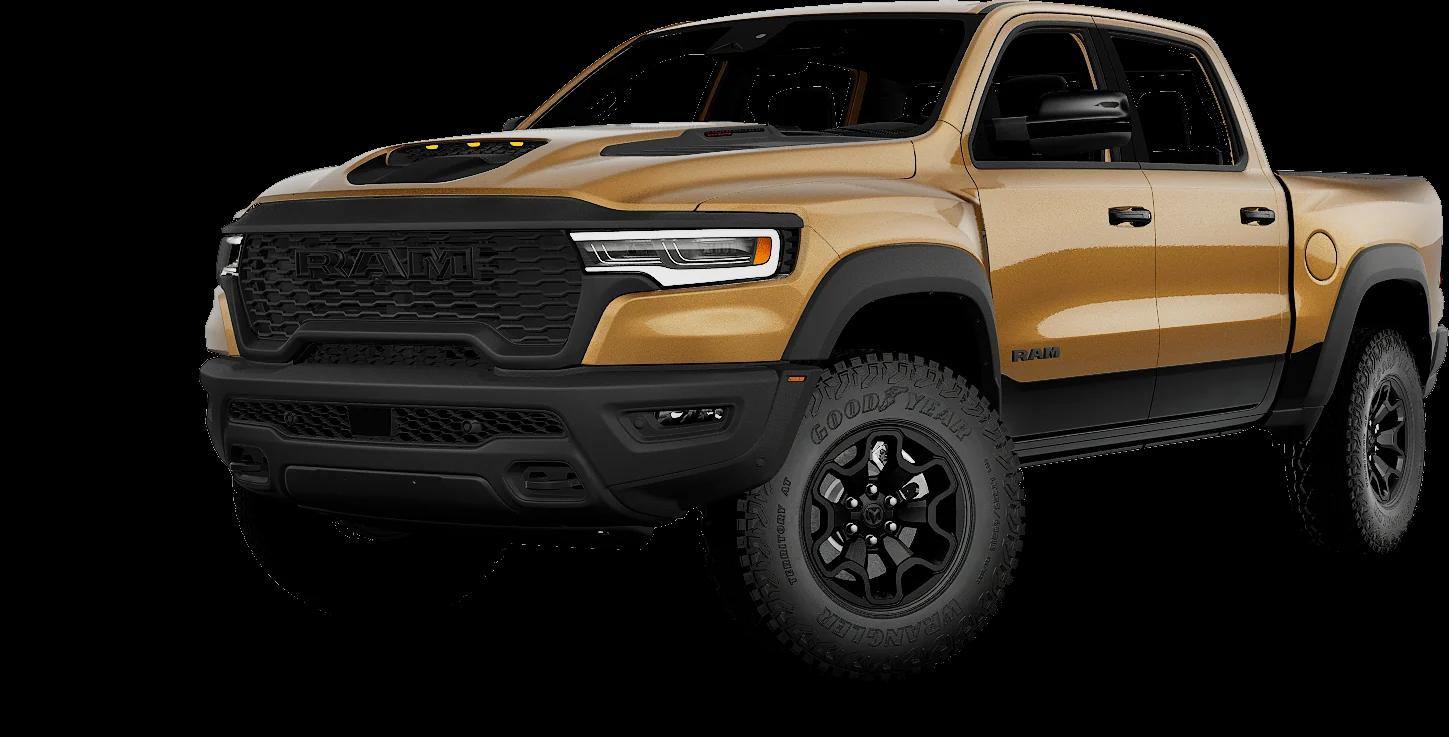
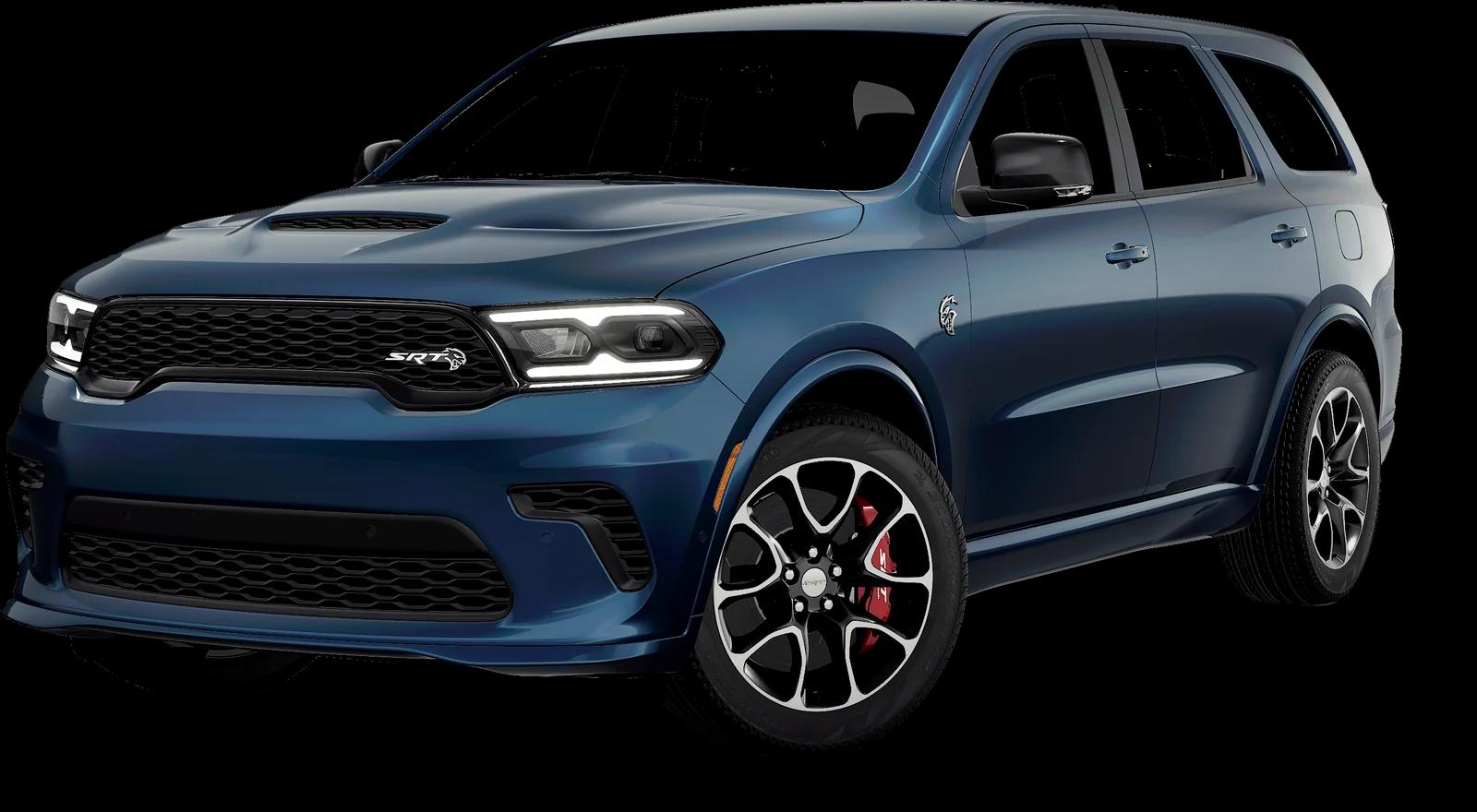
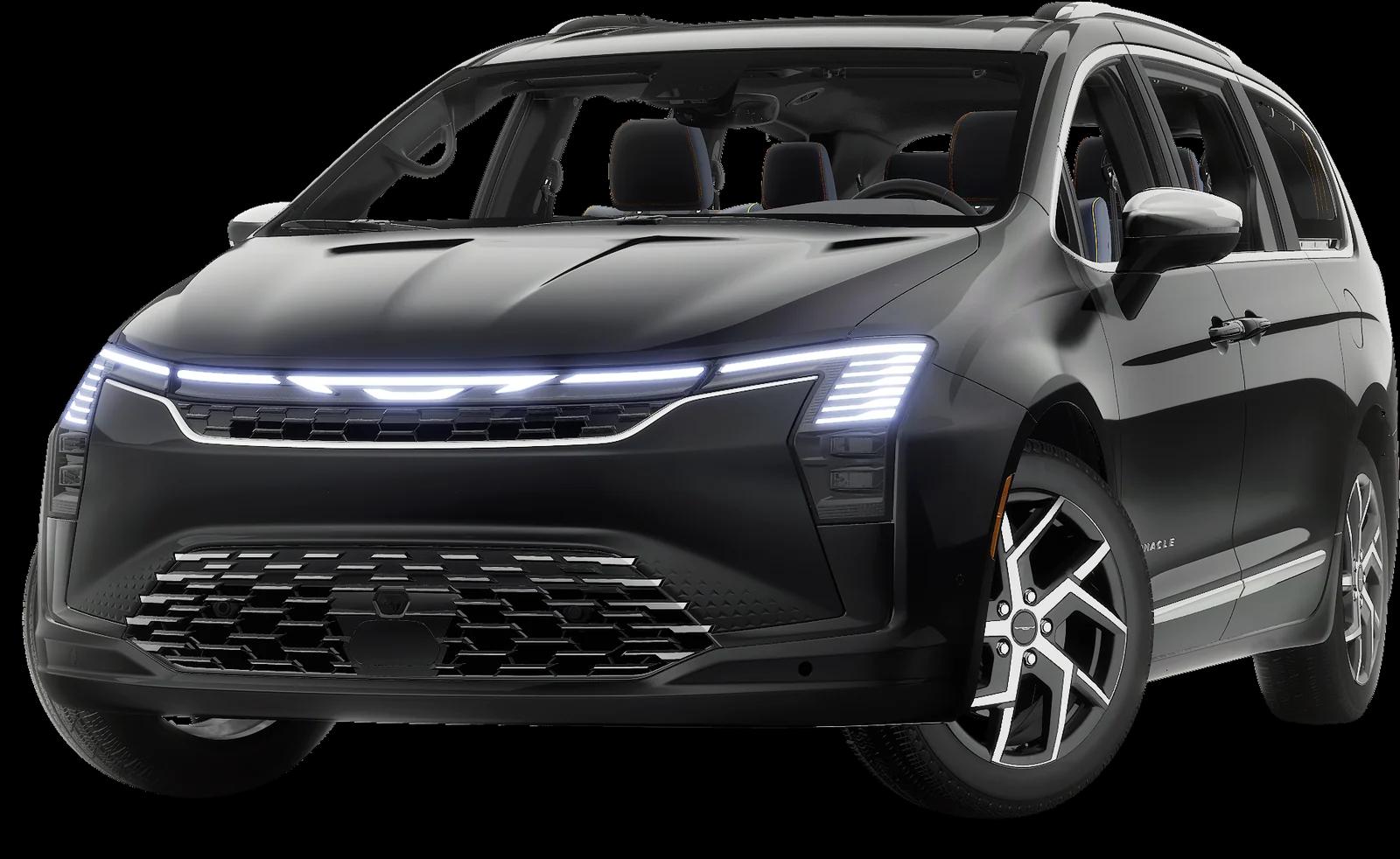
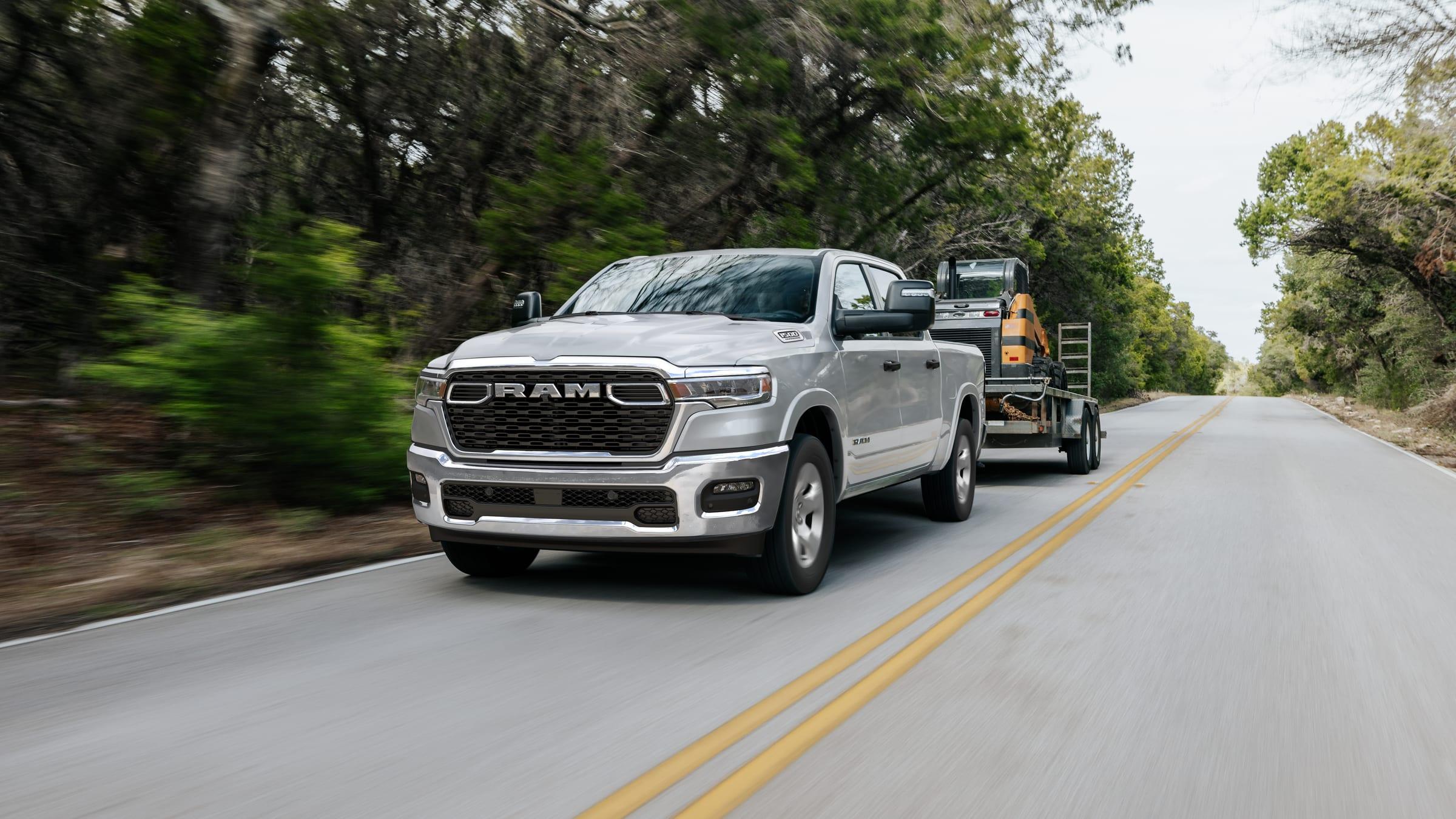
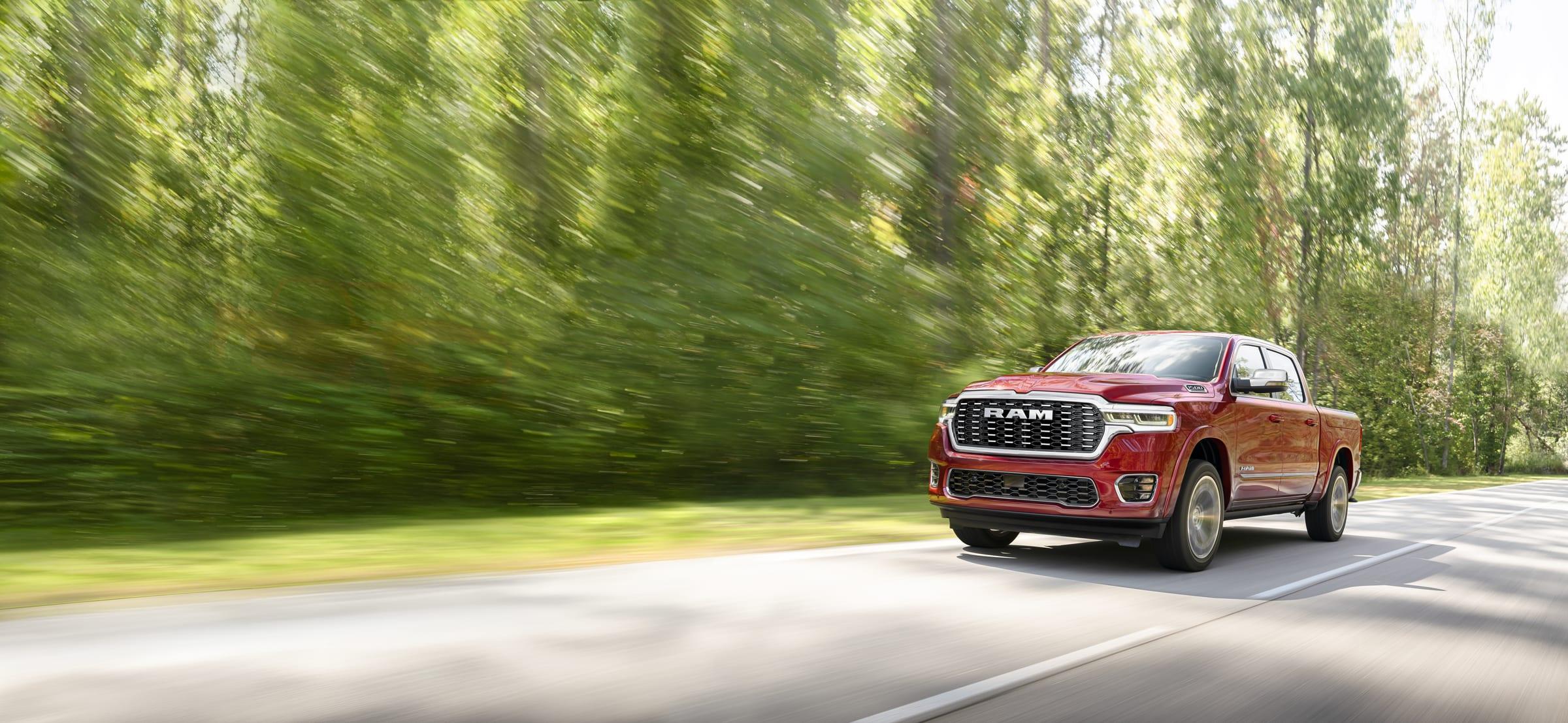
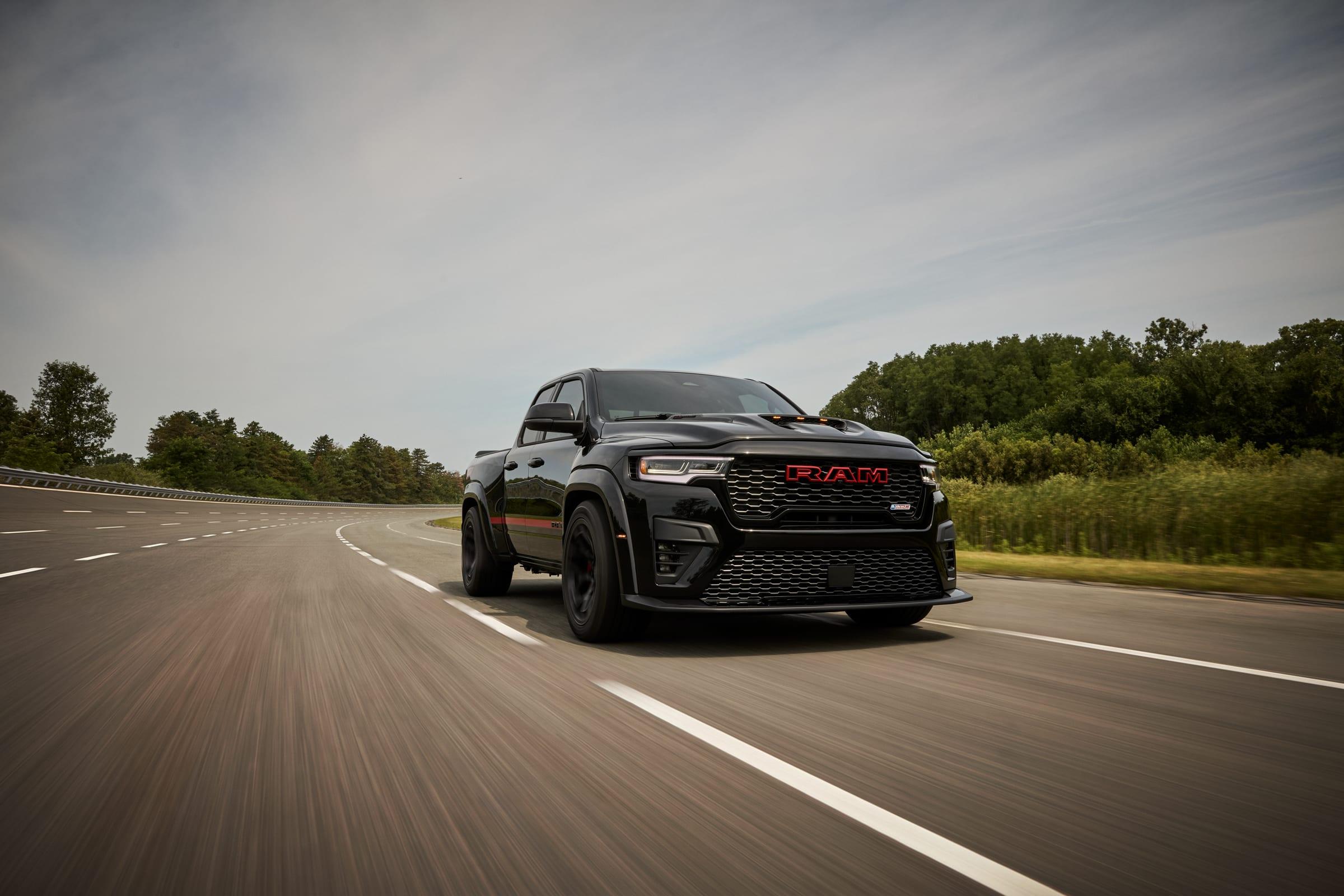
The Ram 1500 measures about 75.8 to 81.9 inches high depending on cab, bed and suspension, so a lifted or air-sprung truck sits at the tall end. The Dodge Durango is about 72.1 inches tall and weighs an estimated 5,300 to 5,600 pounds. The Grand Cherokee is 70.8 inches tall, and the Chrysler Pacifica is 69.9 inches (FWD) or 70.7 inches (AWD), with curb weights of 4,521 and 4,883 pounds.
Wheelbase helps too. A longer wheelbase resists being pushed around, which is one reason the 118.4‑inch four-door Wrangler is calmer than the 96.8‑inch two-door.
How Far a Tank Really Goes
Montana and Wyoming have long gaps between fuel stops, and some stations close early or keep short hours in small towns. Plan fill-ups by the clock as much as by the gauge. The table below is a rough estimate worked out by multiplying each vehicle's tank size by its EPA highway mpg. Real range will be lower with headwinds, a trailer, a roof box or cold weather.
| Vehicle (configuration) | Fuel tank | EPA highway mpg | Rough range (estimate) |
|---|---|---|---|
| Ram 1500, 3.6L V6 eTorque 4x4 | 26 gal (33 gal optional) | 24 | About 624 miles (about 792 with the 33-gal tank) |
| Jeep Grand Cherokee, 3.6L V6 | 23 gal | 26 | About 598 miles |
| Jeep Grand Wagoneer, 4x4 | 26.5 gal | 21 | About 556 miles |
| Dodge Durango GT AWD HEMI V8 | 24.6 gal | 22 | About 541 miles |
| Chrysler Pacifica, FWD | 19 gal | 28 | About 532 miles |
| Jeep Wrangler four-door, 2.0L turbo | 21.5 gal | 22 | About 473 miles |
The Pacifica's modest tank still goes a long way because of its highway rating, while the Wrangler has the shortest leash here. Treat these figures as the best case, and refuel well before the last quarter tank on a stretch you do not know.
Towing a Camper in Wind
A trailer adds surface area behind you and can start to sway when a gust hits, especially if it is tall and lightly loaded. Slowing down is the most effective step. Lower speed gives you more time to react and cuts the force the wind can apply. Load heavy items low and forward, keep the tongue weight right, and use a brake controller if your trailer has electric brakes.
Pay attention to rating, not just whether the hitch fits. Ram rates the 1500 at up to 11,530 pounds with the standard-output Hurricane six, and 11,370 pounds with the 5.7‑liter HEMI eTorque. The 3.6‑liter V6 tops out at 8,100 pounds. Payload ranges from 1,150 to 2,340 pounds depending on engine, and tongue weight comes out of payload. Ram's Trailer Tow Group II ($1,095 on many trims) adds a trailer brake controller, trailer reverse steering control, trailer tire pressure monitoring and a trailer light check.
The Grand Wagoneer is rated to tow up to 10,000 pounds in 4x4 form with the 3.92 axle ratio. Jeep prices the Heavy‑Duty Trailer-Tow Package at $1,195 on the base Grand Wagoneer and $1,995 on most other trims, and it adds blind spot monitoring with trailer detection. The Durango tows 7,200 pounds as standard and 8,700 pounds with the $6,295 Tow 'n Go Package. The Grand Cherokee is rated at 6,200 pounds, and Jeep's $995 Trailer-Tow Package includes a Class IV hitch and rear load-leveling suspension.
The Wrangler is rated for 3,500 pounds on most four-doors and 5,000 pounds only on a four-door Rubicon with specific equipment. The Pacifica tops out at 3,600 pounds with its Trailer Tow Group. Those two suit a small pop-up or utility trailer, not a full-size travel trailer. Prices change, so confirm figures with a dealer before you order.
Adaptive Cruise and Lane‑Keeping
On a 300‑mile day, a good set of driver aids reduces fatigue, though none of them replaces attention in a gusty crosswind. Several of these models list the features below.
Ram lists adaptive cruise control, Active Lane Management and blind-spot monitoring with trailer coverage on the 1500 Tradesman, and adaptive cruise with Stop and Go on the Express. The Ram 2500 lists adaptive cruise as standard, with Active Lane Management in its Safety Group ($1,795 to $2,995 depending on trim). Jeep lists adaptive cruise control, Active Lane Management and automatic emergency braking on the Grand Cherokee Laredo. Dodge lists adaptive cruise with forward collision warning on the Durango GT Plus.
For the Wrangler, Jeep's Active Safety Group ($1,595 on Sport S and Willys) adds blind spot and cross path detection, automatic high beams and rear park assist. Jeep's listings for the Wrangler do not mention adaptive cruise, so check the trim you want. On the Pacifica, Chrysler's Safety Sphere package adds a 360 surround-view camera and blind spot view ($1,715 on Select, $495 on Limited).
Comfort for the Long Days
Long gaps reward a vehicle you can relax in. The Pacifica is the easiest to settle into with 140.5 cubic feet of cargo space, seating for seven or eight, and heated front seats and a heated steering wheel standard on the LX, which starts at $41,595. The Grand Wagoneer offers up to 116.7 cubic feet of cargo space with the rear seats folded and a 26.5‑gallon tank that makes its 556‑mile estimate hold up better than its fuel economy might suggest.
The Grand Cherokee offers heated seats and a heated steering wheel on Laredo X, Limited and above. The Ram 1500 Big Horn adds a heated steering wheel and heated front seats in its Level 1 Equipment Group ($1,695). Heated gear matters more than it sounds when a morning starts below freezing.
A Quick Way to Choose
If your trips are mostly solo or couple runs between Bozeman and Billings or Casper and Cheyenne, the Grand Cherokee balances range, height and a 6,200‑pound tow rating. If you pull a mid-size camper along I‑80 or I‑90 regularly, the Ram 1500 or Grand Wagoneer gives you the most margin. The Durango is a good choice for a family that tows a moderate trailer and wants all-wheel drive standard. The Pacifica suits a family that covers a lot of highway miles without towing. The Wrangler fits drivers who value open-air trail days over highway calm, and who accept more wind noise and movement.
Whatever you pick, plan fuel by the hour, slow down when the gusts build, and check WYDOT or MDT for closures before you commit to a long leg. Prices in this guide are starting MSRPs or option prices before destination and will change.