Ownership
EV and Hybrid Ownership in Seattle and Portland: Rain, Hills and Charging
Wagoneer S, Recon, Charger Daytona, ProMaster EV and Cherokee hybrid compared on range, charging times and fit for apartment life and mountain weekends.
By the Northwest CDJR editorsUpdated November 6, 20266 min read
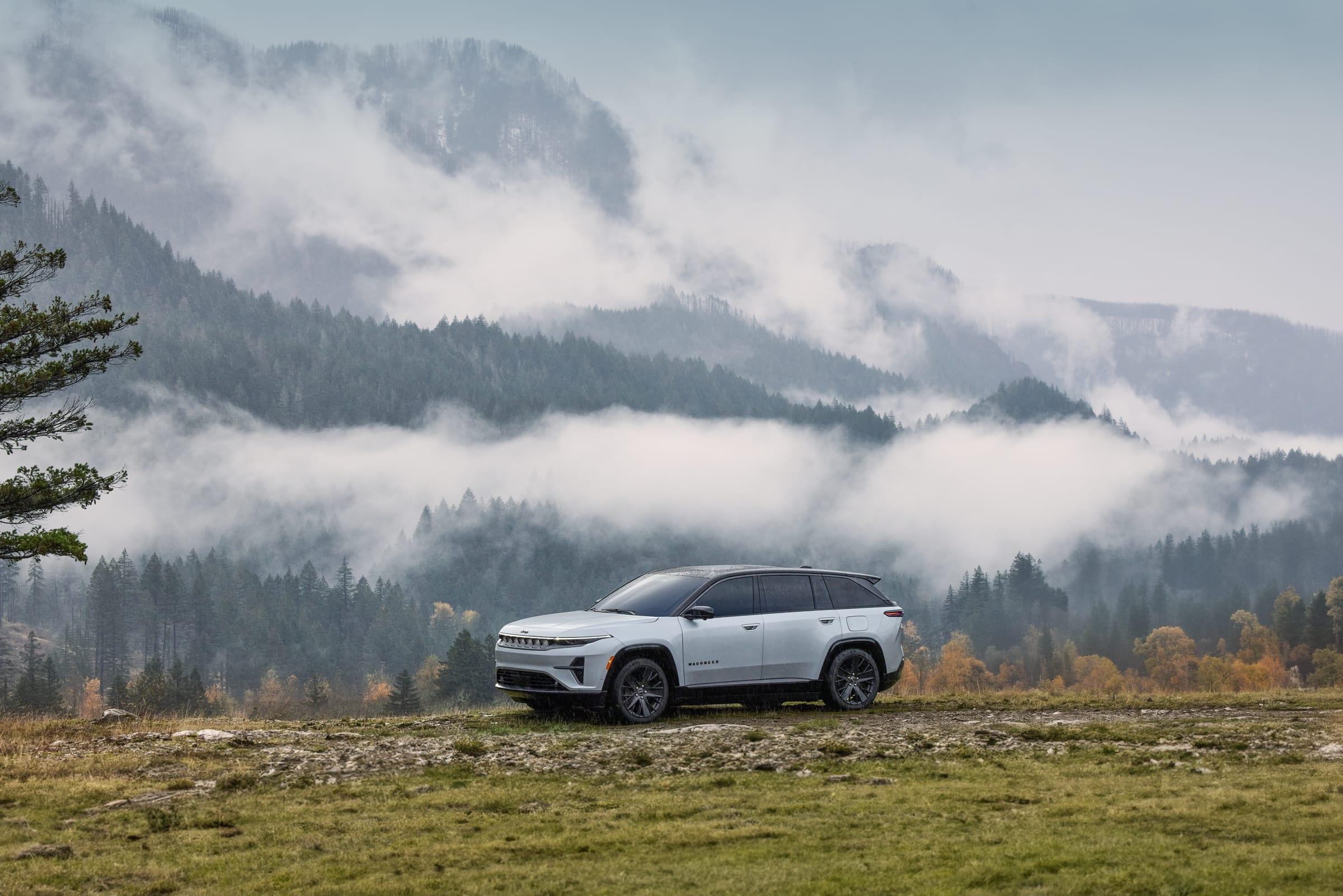
Seattle and Portland are two of the most electric-friendly metro areas in the country, but living with a plug-in here is not the same as living with one in a flat, dry, suburban city. The rain is steady from fall into spring. The hills are real, from Queen Anne and Capitol Hill to Portland's West Hills. Plenty of residents live in apartments or park on the street. And the weekends call for mountain passes and the coast.
Stellantis sells several electrified vehicles that fit this picture, plus one hybrid that needs no plug at all. This guide looks at each one through a Northwest lens. Ratings come from the manufacturers' published specs, and prices are starting MSRPs before destination. Incentives change often and are not covered here, so check with state and utility sources.
The Lineup at a Glance
The table puts the electrified options side by side. Wagoneer S figures are for the 2025 model year, the Recon for 2026, and the others for 2027 or 2026 as noted by each maker.
| Vehicle | Type | Rated range | Fast-charge time | Starting MSRP |
|---|---|---|---|---|
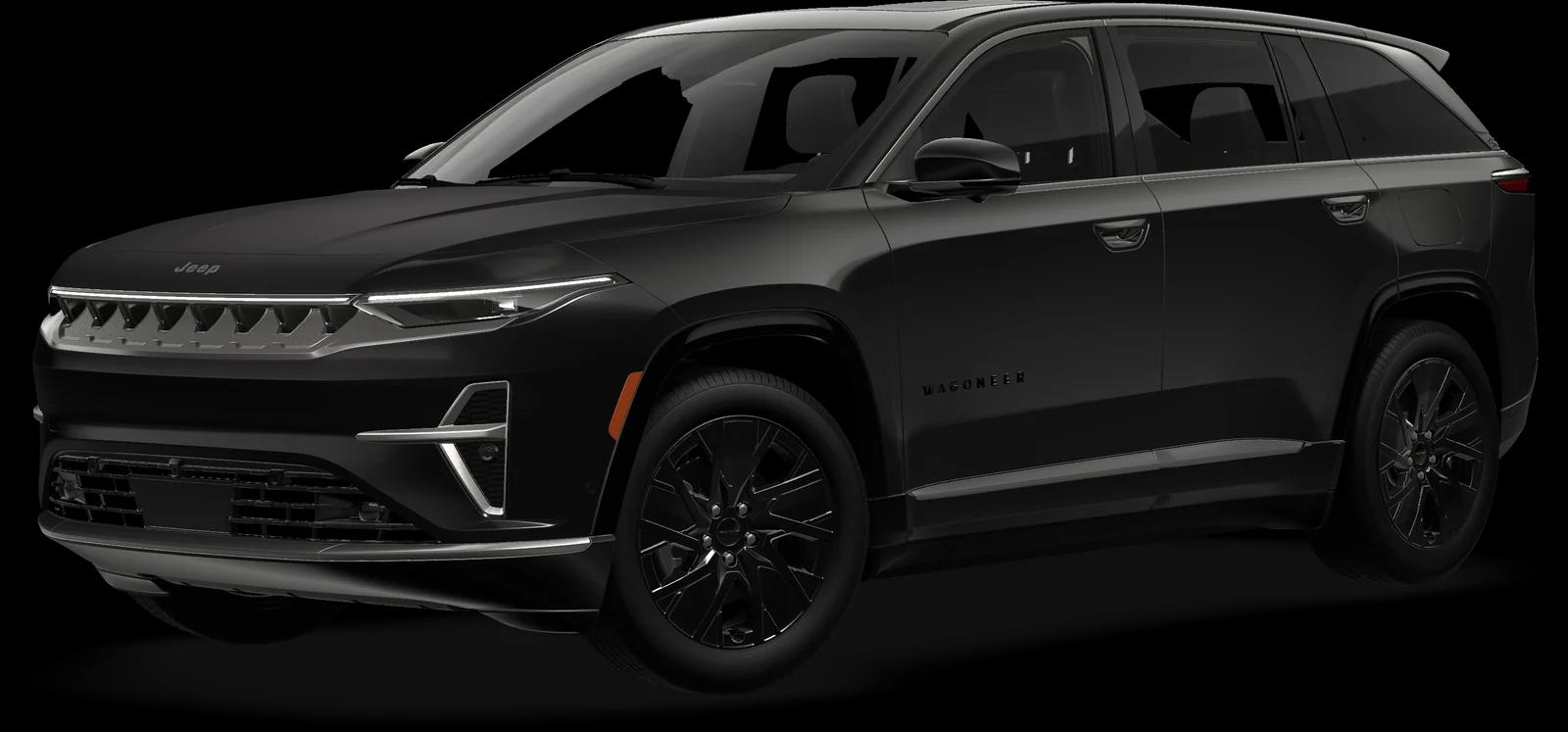
| Jeep Wagoneer S (Limited) | Battery electric, 100.5 kWh | 294 miles | About 23 min, 20-80% | $65,200 |
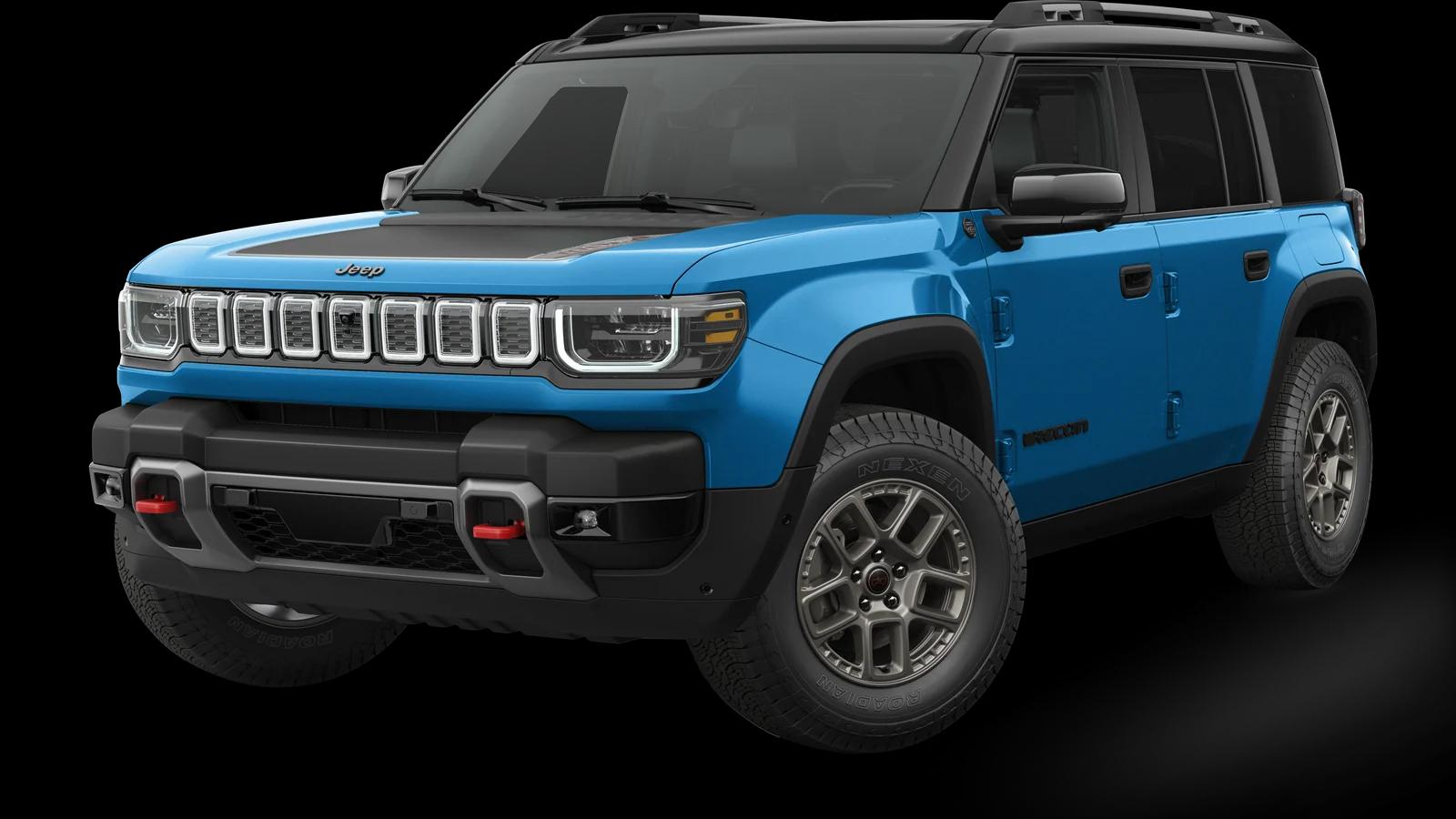
| Jeep Recon (Moab) | Battery electric, 100.5 kWh | Up to 222 miles | About 28 min, 5-80% | $66,995 |
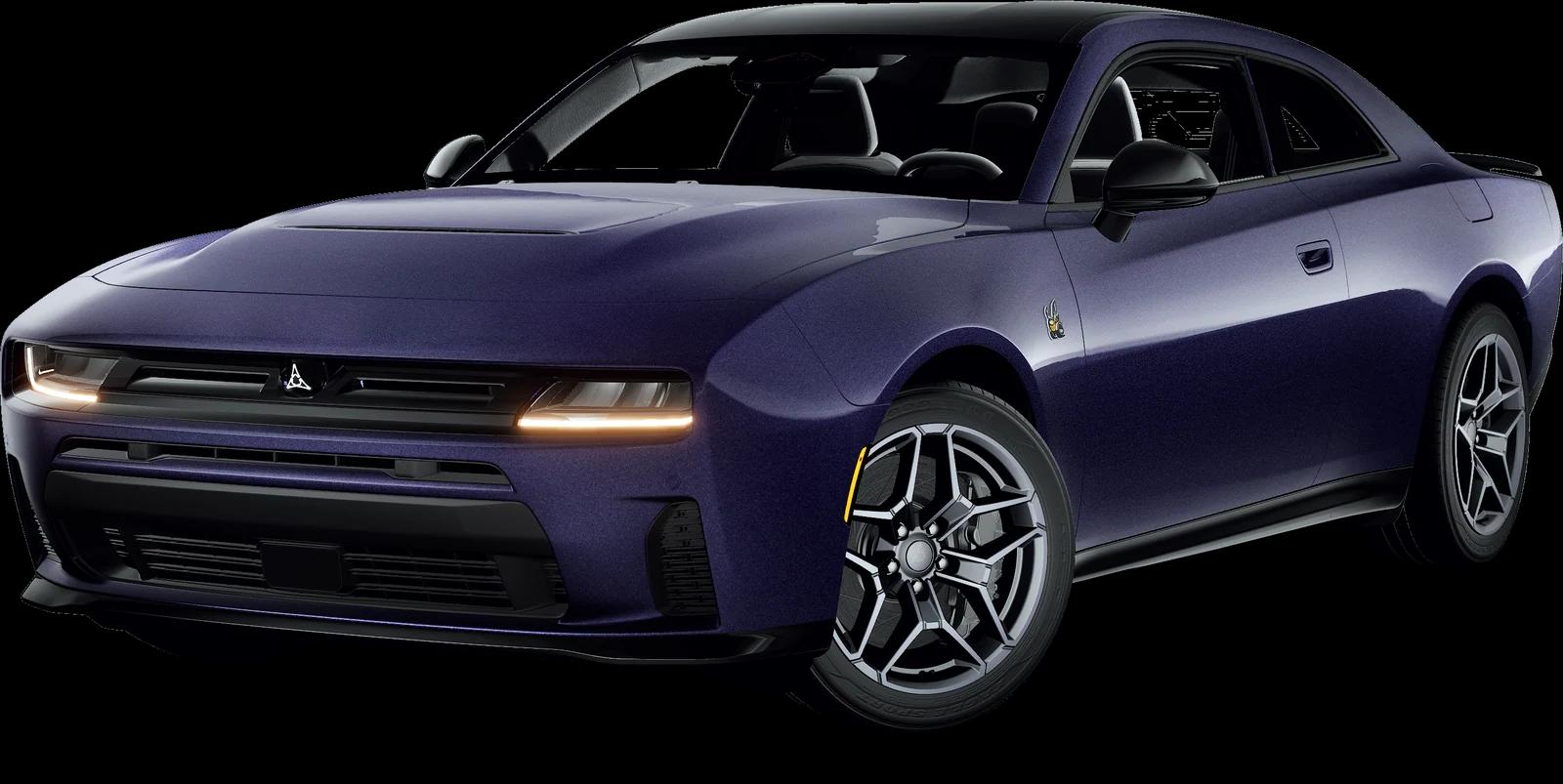
| Dodge Charger Daytona Scat Pack Plus | Battery electric, 100.5 kWh (93.9 usable) | Up to 267 miles | About 27 min, 20-80% on a 350 kW charger | $77,490 |
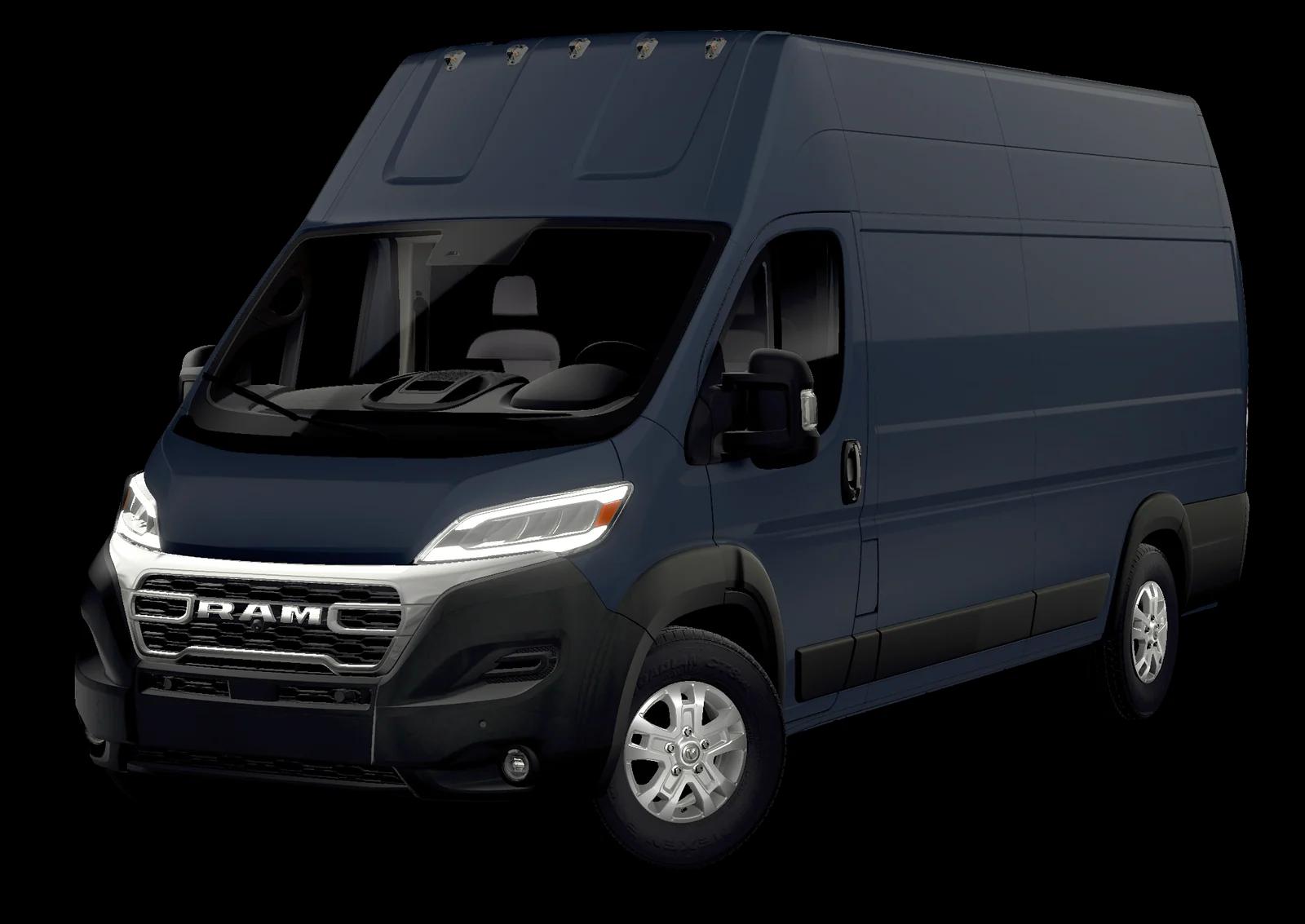
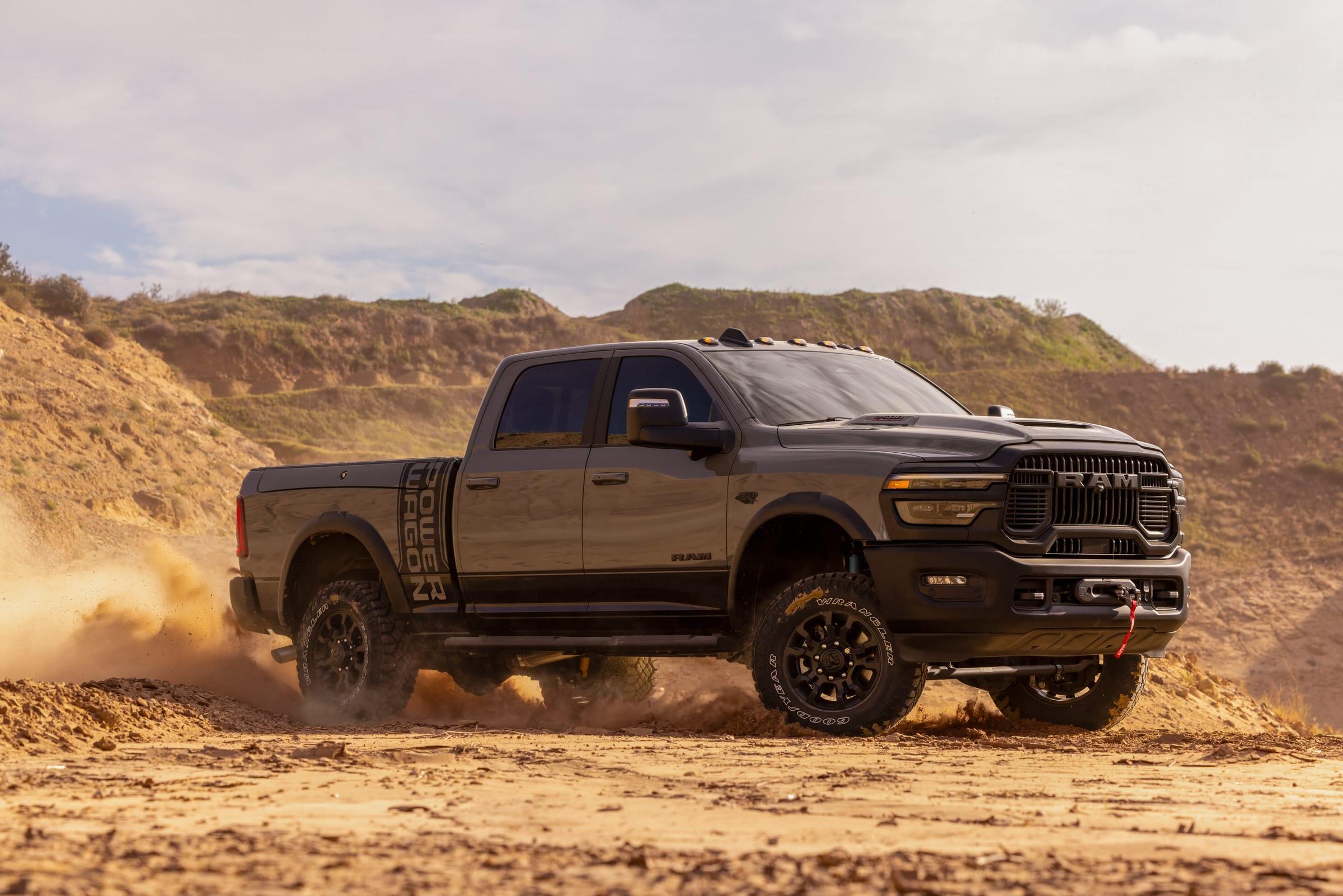
| Ram ProMaster EV (cargo van) | Battery electric, 110 kWh | Up to 164 miles | Not listed | Not listed for the EV |
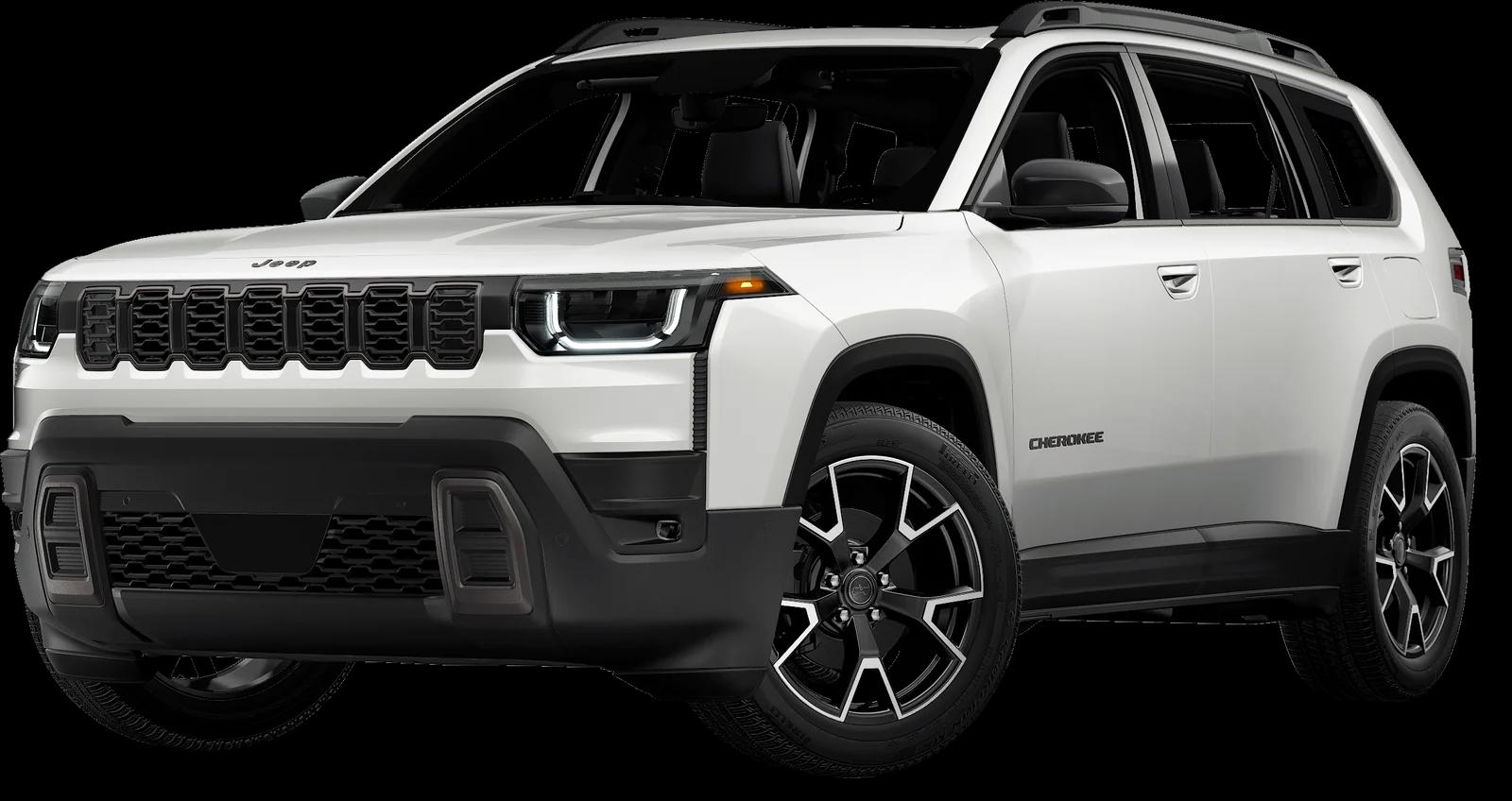
| Jeep Cherokee | Self-charging hybrid, no plug | More than 500 miles per tank (Jeep estimate) | Not applicable | $35,130 |
The Wagoneer S is the long-range SUV. The Recon trades range for a trail-ready body, with 9.1 inches of ground clearance against the Wagoneer S's 6.4. The Charger Daytona is the performance car of the group, and the only one with a native NACS port, which lets it use Tesla Supercharger stations without an adapter. The ProMaster EV is a work van for urban delivery and trades, and the Cherokee is the answer for people who like the efficiency but cannot plug in.
Charging When You Rent or Park on the Street
Plenty of Northwest EV owners do not have a garage. The numbers show why that matters. Jeep quotes about 32 hours on a standard 120-volt outlet for the Wagoneer S and about 52 hours for the Recon. Those times are for a big chunk of charge, so Level 1 is a top-up solution, not a daily plan.
A 240-volt Level 2 charger changes the picture. Jeep lists about six hours for the Wagoneer S and about 6.8 hours for the Recon, which is an overnight session. The Wagoneer S comes with either a 48-amp home Level 2 charger or public charging credits of equal value for each purchase or lease, according to Jeep. The Charger Daytona has an 11 kW onboard charger, so it can take advantage of a strong Level 2 connection.
If you rent, ask the property manager whether the building has shared chargers or plans to add them. Look for workplace charging, and map out public Level 2 stations near groceries, libraries and gyms. If you park on the street, check your city's rules before running any cable across a sidewalk. A DC fast-charging habit, once a week, is also workable for many people, especially with the 23 to 28 minute times Jeep and Dodge quote. The Cherokee hybrid is worth a look if none of this works for your living situation, since it needs no charging at all.
Rain, Wet Roads and Winter Mornings
Rain affects an EV in familiar ways. Wet pavement adds a bit of rolling resistance, headlights and wipers draw a little power, and the cabin defogger works harder. None of that is dramatic, but it adds up over a long wet commute. Winter cold has a bigger effect: batteries work less efficiently when cold, and Jeep notes that Wagoneer S range will drop in cold weather, at higher speeds or when towing.
Traction is the other concern. The Wagoneer S includes Selec‑Terrain with Snow mode and the Recon adds Snow and Sand modes, plus Rock on the Moab. Every Charger has all-wheel drive, and the Wet/Snow drive mode is standard. The Cherokee comes with four-wheel drive and a 3,500‑pound tow rating, which makes it handy for a small trailer.
Heavy vehicles take longer to stop on wet roads, and EVs are heavy. The Wagoneer S has a curb weight of 5,667 pounds, the Recon Moab 6,112 pounds, and the Charger Daytona 5,778 or 5,828 pounds depending on door count. Compare that with 4,545 pounds for a Cherokee Trailhawk. Good tires, enough following distance and attention to standing water matter more than any spec.
Hills and Regenerative Braking
Seattle and Portland are both hilly, and that is where EVs shine. On a downhill, the electric motors can act as generators, turning some of the vehicle's motion back into stored energy instead of heat in the brake pads. In stop-and-go city driving, this recovers a share of the energy you spent accelerating, so the effect is real even though it is never complete.
The same physics works against you uphill. A heavier vehicle needs more energy to climb and has more energy to give back on the way down, but friction, aerodynamics and conversion losses mean you never get it all back. A steep climb on one side of a trip is usually not fully repaid by the descent on the other.
The Cherokee hybrid works on the same principle on a smaller scale. Its 1.08-kWh battery is charged by braking, which helps city mileage. Jeep estimates up to 39 mpg in the city and 37 combined, with a tank of 13.7 gallons.
Weekend Trips to the Mountains and the Coast
Weekend range anxiety is mostly a planning problem. Take Snoqualmie Pass on I‑90, Stevens Pass on US‑2, Mount Hood from Portland or a drive down the Oregon coast on US‑101. Each means a climb, colder air and fewer chargers once you leave the metro area.
As a simple example, say a weekend loop totals 250 miles. A Wagoneer S rated at 294 miles could cover that in theory, but mountain cold and highway speed will eat into the margin, so plan a charging stop. The Recon, rated at up to 222 miles, needs one stop for the same loop. The Charger Daytona's 267 miles on its best tire package drops to 231 to 241 miles with other tires, so check which tires your car has.
Practical habits help. Charge to a high level the night before and arrive at your destination with a buffer. Look for lodging with Level 2 charging, since a car parked overnight gets a full recharge. Use a charger-finder app to check station status, and have a backup within reach. At small coastal towns and trailheads, assume chargers may be limited or busy on a summer weekend.
Ferry travel adds one more variable. Washington State Ferries and other ferry fares depend on vehicle length, so check the operator's current rates and not a guess.
Which One Fits
The Wagoneer S suits a family that wants range and has Level 2 at home. The Recon suits an outdoor-minded buyer who will tolerate a shorter range for a taller, more capable body. The Charger Daytona is a commuter performance car with strong charging specs. The ProMaster EV makes sense for a business that drives set routes in the city and can charge each night at a depot. The Cherokee hybrid is the practical choice for apartment dwellers who want low fuel use without a plug.
Test drive in the rain, ask about home charging before you sign, and confirm current prices with a dealer.